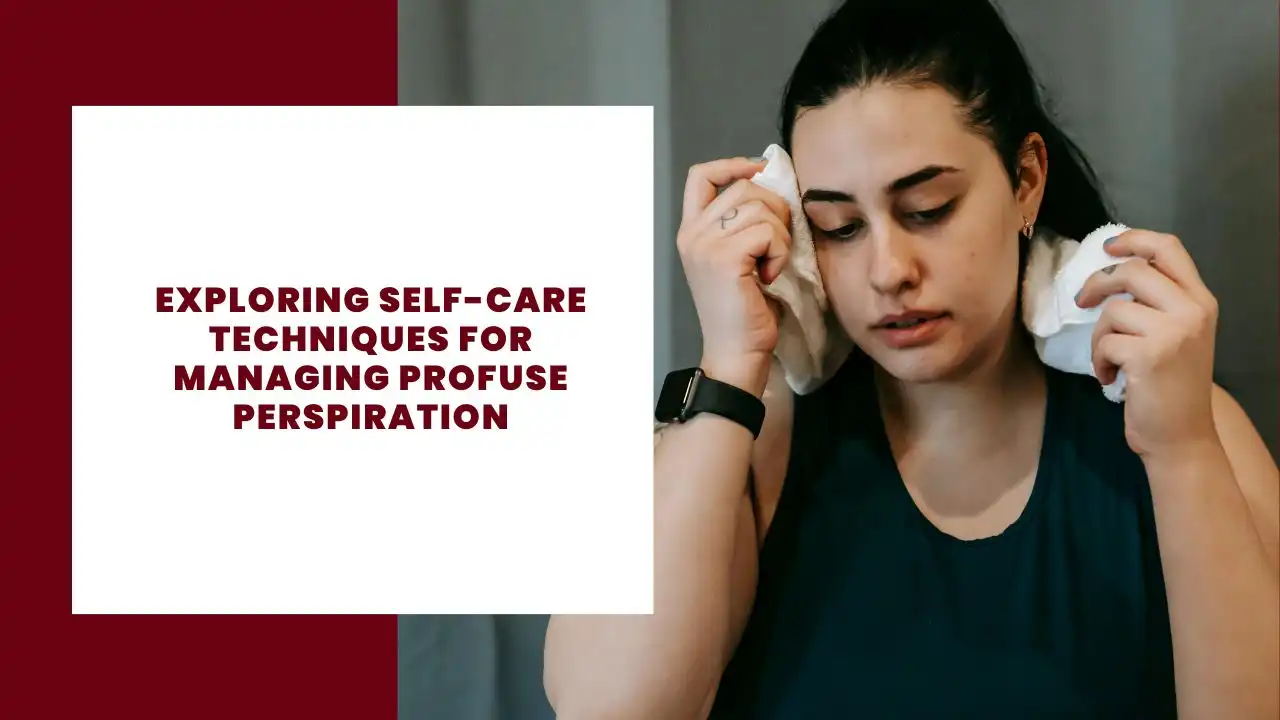
Profuse perspiration, particularly of the face and head, not only poses physical discomfort but also significantly affects one’s social and emotional well-being. Dive into our guide, brimming with hands-on self-care techniques and tips that can dial down your sweat levels, making you feel more at ease and boosting your confidence.
Photo by Andres Ayrton: https://www.pexels.com/photo/a-young-woman-using-a-towel-at-the-gym-6550859/
Understanding Craniofacial Hyperhidrosis
Craniofacial hyperhidrosis is a condition characterized by excessive sweating of the face, head, or scalp, occurring without typical triggers like heat or physical activity. This can be an isolated issue or part of an underlying health condition. Recognizing the impact on both physical and mental health is crucial in seeking appropriate treatments and adopting effective management strategies.
Effective Self-Care Tips
1. Optimize Your Environment
Maintaining a cool environment is key to managing excessive sweating. Utilize fans or air conditioning at home and work. Consider lightweight, breathable hats to protect against the sun while facilitating air circulation, crucial for reducing sweat.
2. Choose Appropriate Clothing
Wear clothes made from natural fibers such as cotton or linen. These materials are not only lightweight and breathable but also excellent at absorbing moisture without sticking to the skin. Appropriate headwear should also prioritize ventilation to minimize heat buildup.
3. Implement a Skincare Routine
Rather than frequent washing, which can dry out the skin, opt for gentle, non-comedogenic cleansers that remove excess oil without causing irritation. Follow up with a water-based moisturizer to keep your skin hydrated and prevent dryness.
4. Use Specialized Products
Consider using facial antiperspirants designed for gentle overnight application, allowing the active ingredients to work effectively. During the day, absorbent facial powders can discreetly manage moisture and maintain a fresh appearance without clogging pores.
5. Adjust Your Diet
Your diet can influence your sweating patterns. Avoid triggers like spicy foods, caffeine, and alcohol, and incorporate hydrating foods such as cucumbers, celery, and watermelon, which support internal cooling and hydration.
6. Practice Stress-Reduction Techniques
Since stress can exacerbate sweating, incorporating stress-management practices such as yoga, meditation, or deep breathing into your daily routine can help regulate your body’s stress responses and reduce sweating. For those particularly struggling with stress-induced sweaty episodes, exploring additional resources and strategies on managing excessive palm sweating can provide further relief and improve daily comfort.
Leveraging Technology for Sweat Management
In an era where technology enhances many aspects of healthcare, several innovative tools can also assist in managing craniofacial hyperhidrosis. These technological solutions offer new avenues for those seeking additional support beyond traditional self-care and medical treatments.
1. Mobile Apps for Climate Adaptation
Various mobile applications can help individuals better plan their day around the weather conditions, which is especially beneficial for those sensitive to heat. Imagine stepping out just at the right moment when it’s cool enough not to break a sweat—these apps make it happen by offering timely weather alerts and personalized activity timing recommendations.
2. Wearable Cooling Devices
Thanks to breakthroughs in wearable technology, we now have personal coolers like vests and bands that make hot weather more bearable, especially where AC is a dream. These gadgets tap into. Imagine wearing a device that taps into evaporative cooling or uses smart materials to shift phases – all with one goal in mind: keeping you cool and reducing those sweaty moments.
3. Biofeedback Sensors
Biofeedback devices can play a pivotal role in managing stress-related hyperhidrosis. These gadgets measure stuff that shows us when someone is getting worked up – think faster heartbeat and clammy hands. With the right gadgets, people can master their stress responses and see a drop in how often they sweat buckets.
4. Online Support Communities
Digital platforms and online communities provide invaluable support for individuals dealing with excessive sweating. From sharing what we’ve been through to trading secrets for success—this is our go-to spot for upliftment and savvy pointers. Joining these communities can lighten the heavy load of dealing with hyperhidrosis by linking you up with folks who get what you’re going through and offer a shoulder to lean on.
Seeking Professional Guidance
When self-care measures are insufficient, consulting a healthcare professional is advisable. They can prescribe stronger antiperspirants, Botox injections, or oral medications. For severe cases, treatments like iontophoresis or surgical options may be necessary.
Conclusion
To really tackle that annoying issue of too much sweating from your face and head, you need a smart mix of changing up how you live, taking great care of yourself day in and out, and sometimes even getting help from a doctor. Tackling craniofacial hyperhidrosis head-on with a well-informed plan can make all the difference, allowing people to enjoy life fully and handle their daily routines confidently. Support is available, and with the right strategies, living comfortably with this condition is entirely achievable.
We use cookies on our website to give you the most relevant experience by remembering your preferences and repeat visits. By clicking “Accept”, you consent to the use of ALL the cookies.
This website uses cookies to improve your experience while you navigate through the website. Out of these, the cookies that are categorized as necessary are stored on your browser as they are essential for the working of basic functionalities of the website. We also use third-party cookies that help us analyze and understand how you use this website. These cookies will be stored in your browser only with your consent. You also have the option to opt-out of these cookies. But opting out of some of these cookies may affect your browsing experience.
Necessary cookies are absolutely essential for the website to function properly. This category only includes cookies that ensures basic functionalities and security features of the website. These cookies do not store any personal information.
Any cookies that may not be particularly necessary for the website to function and is used specifically to collect user personal data via analytics, ads, other embedded contents are termed as non-necessary cookies. It is mandatory to procure user consent prior to running these cookies on your website.