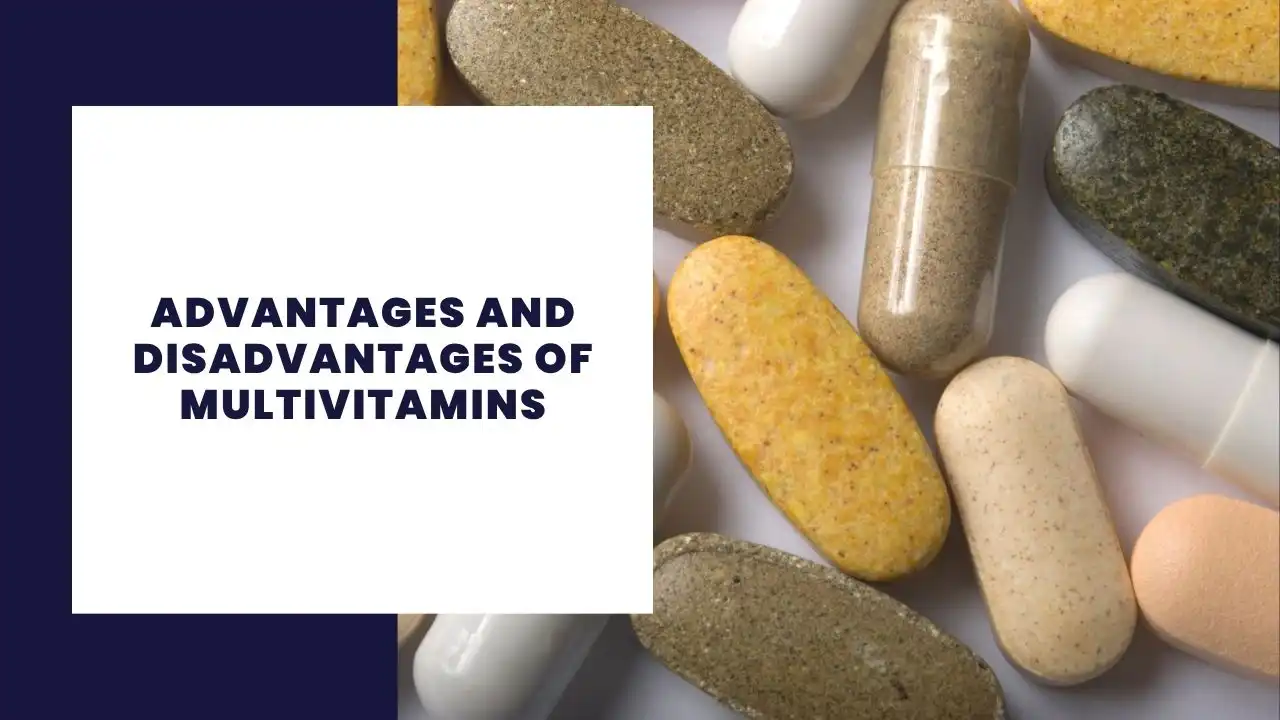
Multivitamins have become a staple supplement for many individuals seeking to bridge nutritional gaps in their diet. With a myriad of options available on the market, it’s essential to understand both the potential benefits and drawbacks of incorporating multivitamins into your daily routine. While they can offer significant health advantages, there are also considerations and risks that should not be overlooked. This comprehensive overview aims to shed light on the key advantages and disadvantages of multivitamins, helping you make informed decisions about your health and nutrition.
What is a Multivitamin?
A multivitamin is a dietary supplement that contains a combination of vitamins, minerals, and sometimes other nutrients like antioxidants, herbs, or amino acids. These supplements are designed to provide nutrients that may be missing or insufficient in a person’s diet. They come in various forms, including tablets, capsules, powders, and gummies, and are often marketed as a way to support overall health, boost immunity, improve energy levels, and prevent nutritional deficiencies. Multivitamins are widely used worldwide, especially among individuals with busy lifestyles, restrictive diets, or specific health conditions that impair nutrient absorption.
Advantages of Multivitamins
1. Filling Nutritional Gaps
One of the primary benefits of multivitamins is their ability to fill nutritional gaps. Many people do not consume enough fruits, vegetables, and other nutrient-rich foods daily. Multivitamins can provide essential vitamins and minerals that are lacking in the diet, helping to ensure the body receives the nutrients necessary for optimal functioning.
2. Supporting Immune Function
Certain vitamins and minerals, such as Vitamin C, Vitamin D, zinc, and selenium, play crucial roles in maintaining a healthy immune system. Regular intake of multivitamins can bolster immune defenses, potentially reducing the frequency and severity of common illnesses like colds and flu.
3. Enhancing Overall Energy and Well-being
Some individuals report increased energy levels and improved mood after taking multivitamins. This may be due to the correction of deficiencies that cause fatigue or irritability. B-vitamins, in particular, are known for their role in energy metabolism and brain health.
4. Promoting Healthy Growth and Development
Multivitamins are especially beneficial for children, pregnant women, and the elderly, supporting growth, development, and age-related health needs. For example, prenatal vitamins with folic acid help prevent neural tube defects during pregnancy.
5. Preventing Chronic Diseases
Long-term use of multivitamins may contribute to the prevention of certain chronic diseases, such as osteoporosis, cardiovascular diseases, and some cancers. Adequate intake of specific nutrients can support bone health, reduce inflammation, and improve heart health.
6. Convenience and Simplicity
Multivitamins offer a simple way to manage nutritional intake. Instead of taking multiple individual supplements, a single multivitamin can provide a broad spectrum of nutrients, making it easier for busy individuals to maintain their health.
7. Supporting Mental Health
Certain nutrients like B-vitamins, magnesium, and omega-3 fatty acids found in some multivitamins can support mental health, potentially reducing symptoms of depression and anxiety.
8. Assisting in Recovery and Healing
For individuals recovering from illness or surgery, multivitamins can support tissue repair, boost immune response, and improve overall recovery times by ensuring the body has the necessary nutrients.
9. Cost-Effective Nutritional Support
Compared to specialized supplements or frequent dietary consultations, multivitamins can be a cost-effective way to maintain adequate nutrient levels, especially for those with limited access to diverse foods.
10. Supporting Aging Populations
As people age, nutrient absorption decreases, and requirements change. Multivitamins tailored for seniors can help address these shifts, supporting cognitive health, eye health, and bone strength.
11. May Improve Skin, Hair, and Nail Health
Certain vitamins and minerals, such as biotin, Vitamin E, and zinc, are linked to healthier skin, hair, and nails. Regular intake through multivitamins can contribute to improved appearance and self-confidence.
12. Assisting Vegetarians and Vegans
Plant-based diets may lack specific nutrients like Vitamin B12, iron, and omega-3 fatty acids. Multivitamins formulated for vegetarians and vegans help fill these dietary gaps.
13. Supporting Athletic Performance
Athletes and active individuals may use multivitamins to enhance endurance, reduce fatigue, and support muscle recovery by ensuring optimal nutrient levels.
14. Promoting Better Sleep
Some multivitamins contain magnesium and Vitamin D, which have been associated with improved sleep quality, helping individuals achieve more restful nights.
Disadvantages of Multivitamins
1. Risk of Overdose and Toxicity
Taking multivitamins excessively, especially those with high doses of certain nutrients, can lead to toxicity. For example, too much Vitamin A can cause liver damage and neurological issues, while excess iron may lead to gastrointestinal problems and, in severe cases, organ damage.
2. Potential for Nutrient Imbalances
While multivitamins aim to provide a balanced mix of nutrients, improper formulations or over-reliance on supplements can cause imbalances. For instance, high doses of one vitamin or mineral might interfere with the absorption or utilization of others.
3. False Sense of Security
Relying heavily on multivitamins might lead some individuals to neglect a balanced diet. Supplements should complement, not replace, healthy eating habits. Overconfidence in multivitamins could result in neglecting the importance of whole foods.
4. Limited Efficacy for Certain Conditions
In some cases, multivitamins may not effectively address specific nutritional deficiencies or health conditions. For example, severe deficiencies or malabsorption issues often require targeted medical treatment rather than general multivitamins.
5. Possible Interactions with Medications
Certain nutrients in multivitamins can interact with medications. For example, Vitamin K can interfere with blood thinners, and high doses of calcium may affect the absorption of antibiotics. It’s essential to consult a healthcare provider before starting any supplement.
6. Variability in Quality and Potency
Not all multivitamins are created equal. Some products may contain lower-than-claimed nutrient levels or contaminated ingredients. The lack of strict regulation in some markets can pose safety concerns.
7. Cost Over Time
While initially affordable, regularly purchasing multivitamins can add up over time, especially if high-quality or specialized formulations are chosen. This ongoing expense might not be sustainable for everyone.
8. Not a Substitute for Medical Treatment
Multivitamins should not be viewed as a cure-all or substitute for medical advice. Relying solely on supplements without addressing underlying health issues can be problematic.
9. Possible Allergens and Additives
Many multivitamins contain fillers, artificial colors, preservatives, or allergens that may cause adverse reactions in sensitive individuals.
10. Limited Evidence for Some Claims
Despite widespread marketing, scientific evidence supporting some health claims associated with multivitamins remains inconclusive. Not all users experience the purported benefits.
11. Potential for Nutrient Interactions
Taking multiple supplements concurrently can lead to unintended interactions, reducing the effectiveness of certain nutrients or causing adverse effects.
12. Environmental Impact
Manufacturing and packaging of multivitamins contribute to environmental concerns, including plastic waste and resource consumption, which should be considered by environmentally conscious consumers.
13. Dependency and Reduced Dietary Effort
Some individuals might develop a dependency on supplements rather than focusing on improving their dietary habits, potentially leading to neglect of healthy eating.
14. Not Suitable for Everyone
Certain groups, such as pregnant women, individuals with specific health conditions, or those on certain medications, require tailored nutrient intake. Standard multivitamins may not meet their specific needs and could even be harmful.
Comparison Table of the Pros and of Multivitamins
| Advantages | Disadvantages |
|---|---|
| Fill nutritional gaps | Risk of overdose and toxicity |
| Support immune function | Potential nutrient imbalances |
| Enhance energy and well-being | False sense of security |
| Promote healthy growth and development | Limited efficacy for certain conditions |
| Prevent chronic diseases | Possible medication interactions |
| Convenience and simplicity | Variability in quality and potency |
| Support mental health | Cost over time |
| Assist recovery and healing | Not a substitute for medical treatment |
| Cost-effective nutritional support | Allergens and additives |
| Support aging populations | Limited scientific evidence for some claims |
| Improve skin, hair, and nails | Environmental impact |
| Aid vegetarians and vegans | Dependency on supplements |
| Support athletic performance | Not suitable for everyone |
| Promote better sleep |
The Future of Multivitamins
The landscape of multivitamin supplementation is evolving rapidly, driven by advances in nutritional science, biotechnology, and personalized medicine. Future developments may include more tailored formulations based on genetic profiles, blood testing, and individual health data. This personalized approach could optimize nutrient delivery, minimize risks, and enhance efficacy. Additionally, innovations in sustainable packaging and plant-based ingredients are likely to reduce environmental impact. As research continues, the role of multivitamins may shift from general health support to more targeted, condition-specific interventions, aligning with the broader trend toward precision nutrition.
FAQs About Multivitamins
1. Are multivitamins safe for everyone?
While generally safe for most healthy adults when taken as directed, multivitamins may not be suitable for everyone. Pregnant women, individuals with certain health conditions, or those on specific medications should consult a healthcare provider before use.
2. Can multivitamins replace a balanced diet?
No, multivitamins are meant to supplement, not replace, a healthy and balanced diet. Whole foods provide a complex array of nutrients and other beneficial compounds.