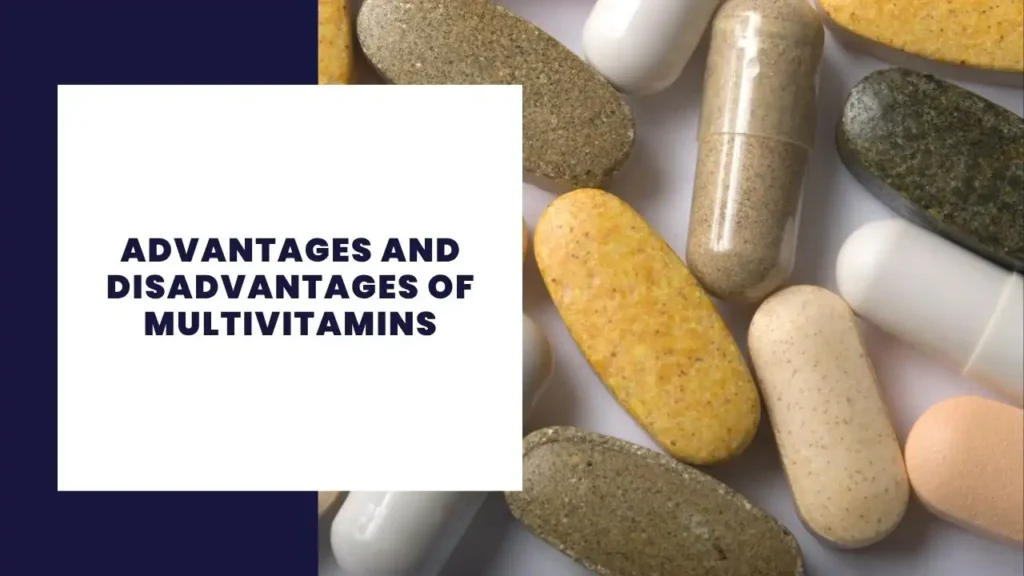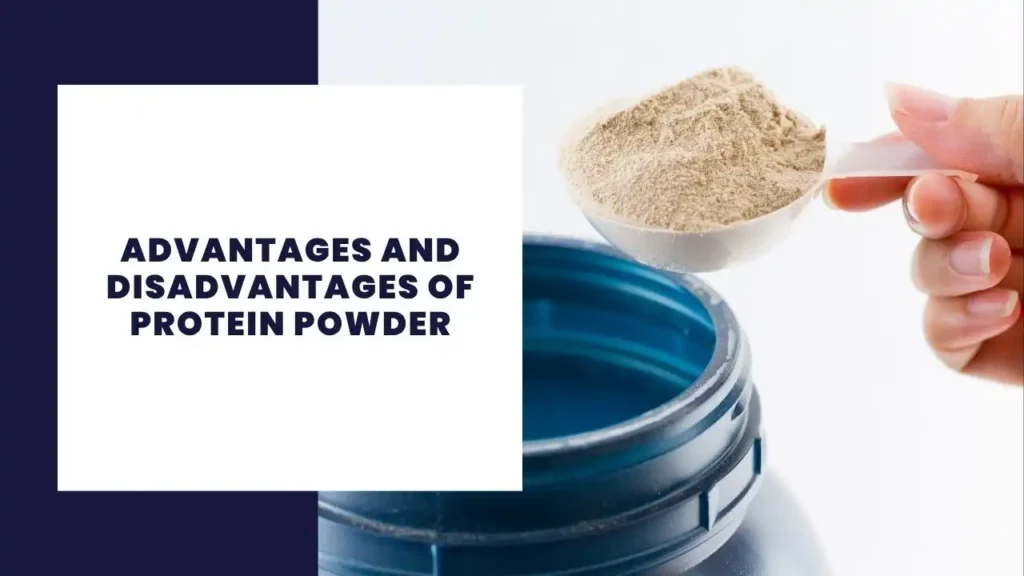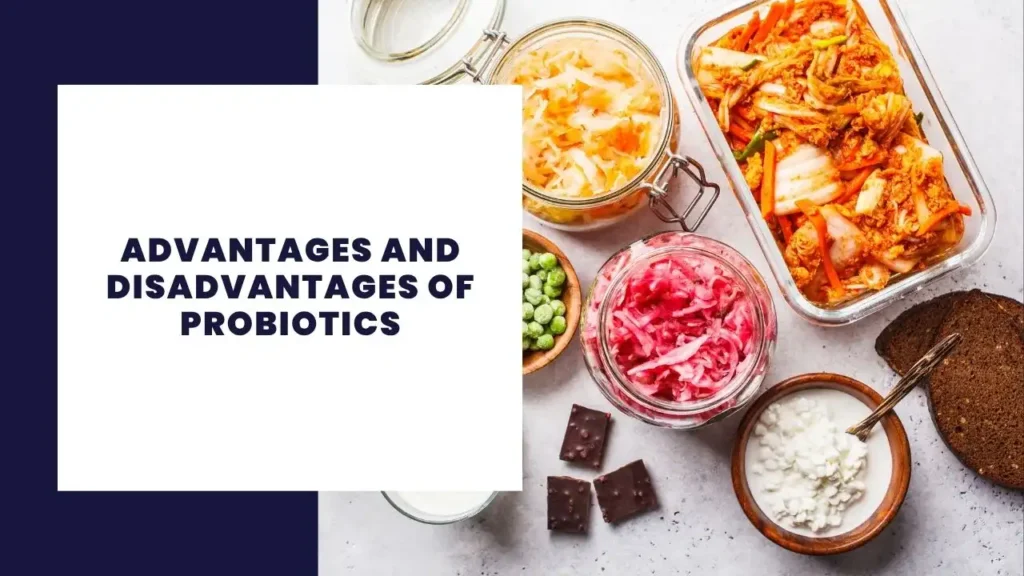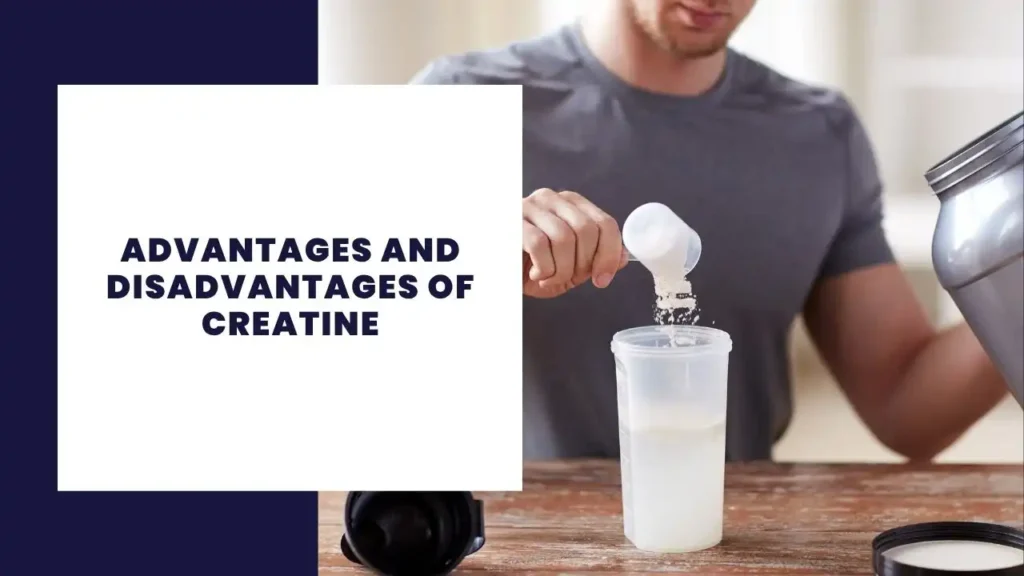
Dietary supplements have become a staple in many people’s health routines. From vitamins and minerals to herbal extracts and amino acids, these products promise to fill nutritional gaps, boost immunity, and enhance overall well-being. However, like any health-related product, they come with their own set of benefits and risks. Understanding both sides is essential for making informed decisions about incorporating supplements into your lifestyle.
What is Dietary Supplements
Dietary supplements are products intended to supplement the diet and provide nutrients that may be missing or insufficient in a person’s regular eating habits. They come in various forms, including pills, capsules, powders, liquids, and even bars. These products often contain vitamins, minerals, herbs, amino acids, enzymes, or other botanicals that aim to support specific health functions or improve general wellness. While they are widely available and accessible, it’s important to recognize that dietary supplements are not meant to replace a balanced diet but rather to complement it.
Advantages of Dietary Supplements
1. Filling Nutritional Gaps
One of the primary benefits of dietary supplements is their ability to help individuals meet their daily nutritional requirements. Many people struggle to get enough vitamins and minerals through diet alone due to busy lifestyles, dietary restrictions, or food shortages. Supplements can bridge these gaps, ensuring the body receives essential nutrients needed for optimal functioning.
2. Supporting Specific Health Conditions
Supplements can be tailored to support particular health issues. For example, calcium and vitamin D are often recommended for bone health, while iron supplements are prescribed for anemia. These targeted approaches can help manage or prevent certain health problems effectively, especially when prescribed by a healthcare professional.
3. Enhancing Athletic Performance
Athletes and fitness enthusiasts often turn to dietary supplements to improve performance, increase stamina, or aid in recovery. Protein powders, creatine, and amino acids are common examples that can support muscle growth, reduce fatigue, and expedite healing after intense workouts.
4. Convenient and Easy to Use
Supplements offer a convenient way to boost nutrient intake without the need for extensive dietary changes. They are portable, easy to consume, and can be incorporated into daily routines effortlessly, making them appealing for busy individuals seeking quick health support.
5. Potential Immune System Support
Certain supplements, such as vitamin C, zinc, and echinacea, are believed to strengthen the immune system. During seasonal changes or in times of increased health concerns, these products can provide additional defense mechanisms against illnesses, although their effectiveness varies among individuals.
6. Promoting Aging Gracefully
As people age, nutrient absorption and metabolic processes can decline. Supplements like omega-3 fatty acids, antioxidants, and vitamins B12 can support cognitive health, joint function, and overall vitality in older adults, contributing to a better quality of life in later years.
7. Personalization and Variety
The supplement market offers a wide variety of products tailored to different health goals and preferences. Whether someone aims to boost energy, improve skin health, or manage chronic conditions, there’s often a supplement designed specifically to meet those needs.
8. Over-the-Counter Accessibility
Most dietary supplements are available over the counter, making them accessible without a prescription. This ease of access allows individuals to take proactive steps toward their health, often under minimal supervision.
9. Supporting Mental Well-being
Certain supplements, such as omega-3 fatty acids, magnesium, and herbal remedies like St. John’s Wort, are used to support mental health. They may help alleviate symptoms of depression, anxiety, or stress, contributing to emotional stability.
10. Complementing Medical Treatment
When used responsibly, dietary supplements can complement traditional medical treatments. For example, folic acid supplements are recommended during pregnancy to prevent neural tube defects, and vitamin D is often advised for individuals with deficiencies.
11. Cost-Effective Preventive Measure
In some cases, taking supplements can be a cost-effective way to prevent health issues that might lead to expensive treatments later. Maintaining optimal nutrient levels can reduce the risk of chronic diseases, potentially saving money on healthcare.
12. Encouraging Better Eating Habits
The awareness surrounding supplements can motivate individuals to pay more attention to their nutritional intake. This increased awareness may lead to healthier eating habits overall, fostering a more balanced diet.
13. Supporting Specific Dietary Restrictions
For those with dietary restrictions, such as vegans or individuals with food allergies, supplements can provide essential nutrients that are hard to obtain through diet alone. For instance, vegans may need vitamin B12 supplements since it is primarily found in animal products.
14. Scientific Research and Innovation
Ongoing research into dietary supplements continues to uncover new benefits and formulations. Innovations in supplement technology can lead to more effective, targeted, and bioavailable products, enhancing their potential health benefits.
Disadvantages of Dietary Supplements
1. Risk of Overdose and Toxicity
Taking excessive amounts of certain supplements can lead to toxicity and adverse health effects. For example, too much vitamin A can cause liver damage, while excess iron can lead to poisoning. It is vital to follow recommended dosages and consult healthcare providers.
2. Lack of Regulation and Quality Control
The supplement industry is not as strictly regulated as pharmaceuticals. This can result in variability in product quality, potency, and purity. Some supplements may contain contaminants, fillers, or ingredients not listed on the label, posing health risks.
3. Potential Drug Interactions
Supplements can interact with medications, reducing their effectiveness or increasing the risk of side effects. For instance, herbal supplements like ginseng or St. John’s Wort may interfere with blood thinners or antidepressants, making it essential to discuss supplement use with a healthcare professional.
4. False Claims and Misinformation
Marketing claims for dietary supplements can sometimes be misleading or exaggerated. Not all products have scientific evidence backing their health benefits, leading consumers to spend money on ineffective or unproven remedies.
5. Dependency and False Sense of Security
Relying heavily on supplements might lead individuals to neglect a balanced diet and healthy lifestyle. This false sense of security can prevent people from addressing underlying nutritional issues through proper diet and exercise.
6. Cost Implications
High-quality supplements can be expensive, and continuous use may become a financial burden. For some, the cost outweighs the perceived benefits, especially when the efficacy of certain products remains unproven.
7. Allergic Reactions and Side Effects
Some supplements contain ingredients that may cause allergic reactions or side effects in sensitive individuals. It is crucial to read labels carefully and be aware of personal allergies before use.
8. Limited Scientific Evidence
While some supplements have proven benefits, many lack rigorous scientific validation. The placebo effect may also play a role in perceived improvements, leading to false expectations.
9. Environmental Impact
The production and disposal of supplement packaging contribute to environmental concerns. Overharvesting of certain herbs and natural resources can also threaten biodiversity.
10. Potential for Contamination
Supplements may be contaminated with heavy metals, bacteria, or other toxins, especially if manufactured in unregulated environments. Such contamination can pose serious health risks.
11. Not a Substitute for Medical Treatment
Supplements should not be used as a replacement for professional medical care. Relying solely on supplements for serious health conditions can delay diagnosis and treatment, leading to worsening health outcomes.
12. Variability in Absorption and Effectiveness
Individual differences in metabolism and digestive health can influence how well a supplement is absorbed and utilized by the body. This variability can affect the overall effectiveness of supplementation.
13. Ethical and Cultural Concerns
Some supplements are derived from endangered species or involve unethical harvesting practices. Consumers concerned with sustainability and ethics need to be cautious about product sources.
14. Potential for Addiction or Misuse
Certain herbal or stimulant supplements can be misused, leading to dependency or other health issues. Proper education and supervision are necessary to prevent misuse.
Comparison Table of the Pros and of Dietary Supplements
| Advantages | Disadvantages |
|---|---|
| Fill nutritional gaps | Risk of overdose and toxicity |
| Support specific health conditions | Lack of regulation and quality control |
| Enhance athletic performance | Potential drug interactions |
| Convenient and easy to use | False claims and misinformation |
| Support immune system health | Dependency and false sense of security |
| Promote healthy aging | Cost implications |
| Personalization and variety | Allergic reactions and side effects |
| Over-the-counter accessibility | Limited scientific evidence |
| Support mental well-being | Environmental impact |
| Complement medical treatments | Potential contamination |
| Cost-effective preventive measures | Not a substitute for medical treatment |
| Encourage better eating habits | Variability in absorption and effectiveness |
| Support dietary restrictions | Ethical and environmental concerns |
| Scientific innovation | Potential for misuse and addiction |
The future of Dietary Supplements
The landscape of dietary supplements is poised for significant evolution. Advances in biotechnology, personalized medicine, and nutrigenomics are paving the way for more targeted and effective supplement formulations. As scientific research continues, we may see a shift towards evidence-based products with clear health benefits validated by rigorous studies. Additionally, stricter regulations and quality assurance standards are likely to improve product safety and consumer trust. The integration of digital health tools, such as apps for tracking supplement intake and health outcomes, could also enhance personalized nutrition strategies. Overall, the future holds the promise of smarter, safer, and more effective supplement use that aligns with individual health needs and sustainability goals.
FAQs About Dietary Supplements
1. Are dietary supplements safe for everyone?
While many supplements are generally safe when used appropriately, they may not be suitable for everyone. Pregnant women, children, individuals with certain health conditions, or those taking medications should consult healthcare providers before starting any supplement regimen.