In today’s digital age, entrepreneurs have a wealth of platforms to choose from when it comes to marketing and building their brand. Among the most popular are blogging and YouTube, both of which offer unique advantages and challenges. Understanding the nuances of these platforms can help entrepreneurs make strategic decisions that align with their business goals, target audience, and resources. This article explores the distinctions between blogging and YouTube, focusing on their roles as marketing tools, content creation demands, audience engagement, monetization potential, and how to choose the right platform.
Whether you are just starting out or looking to expand your digital presence, examining the strengths and limitations of blogging versus YouTube can provide valuable insights. Both platforms have proven effective for entrepreneurs but cater to different content styles and audience preferences. By the end of this article, you will be equipped with the knowledge to select the platform that best supports your entrepreneurial journey.
Understanding Blogging as a Marketing Tool for Entrepreneurs
Blogging remains one of the most foundational digital marketing strategies for entrepreneurs. It allows businesses to create long-form, informative content that can establish authority, improve search engine rankings, and nurture customer relationships over time. With a well-optimized blog, entrepreneurs can drive organic traffic by addressing customer pain points, sharing expertise, and promoting products or services in a subtle, educational manner.
Additionally, blogs offer flexibility in content format, including articles, how-to guides, case studies, and opinion pieces. This flexibility enables entrepreneurs to tailor their messaging to different stages of the buyer’s journey. Over time, a blog can serve as a comprehensive resource hub, helping to position the entrepreneur as a thought leader in their industry and fostering trust with the audience.
Exploring YouTube’s Impact on Entrepreneurial Growth
YouTube has emerged as a powerful platform for entrepreneurs who want to leverage video content to engage and grow their audience. Its visual and auditory nature allows for dynamic storytelling and demonstrations that can capture attention more effectively than text alone. Videos can humanize a brand, showcase products in action, and provide tutorials that help potential customers understand value propositions clearly.
Moreover, YouTube’s vast user base and search engine integration offer significant reach potential. Entrepreneurs can tap into niche markets by creating targeted video content that resonates with specific demographics. The platform’s algorithms favor consistent uploads and viewer engagement, which can accelerate channel growth and brand visibility when managed effectively.
Comparing Content Creation Efforts for Blogs and Videos
Creating content for blogs and YouTube requires different skill sets and time investments. Blog writing typically involves research, drafting, editing, and SEO optimization. While it can be done solo with minimal equipment, it demands strong writing skills and an understanding of keyword strategy to maximize reach. The turnaround time for a high-quality blog post can range from a few hours to several days depending on complexity.
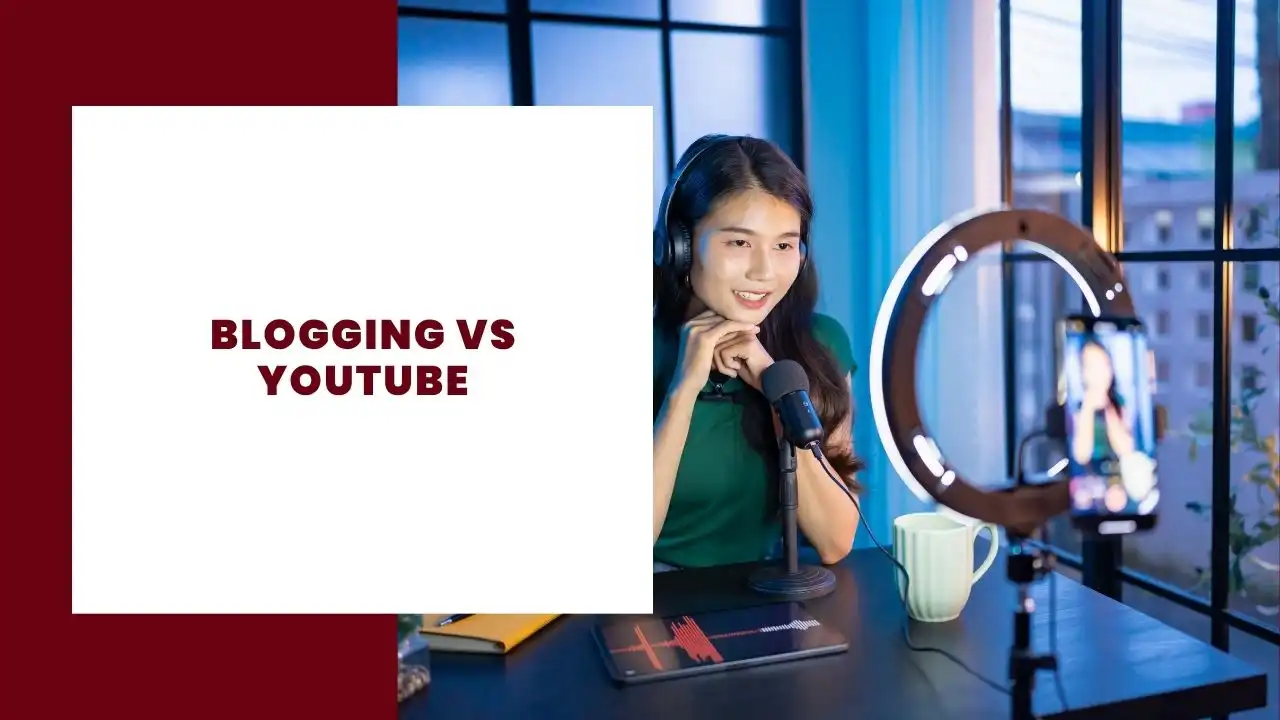
Video production, on the other hand, is often more resource-intensive. It includes scripting, filming, editing, and sometimes post-production enhancements like graphics or sound effects. Entrepreneurs may need cameras, lighting, microphones, and editing software, which can increase costs and preparation time. However, videos can sometimes be repurposed into shorter clips or transcripts, providing multiple content formats from a single creation effort.
Audience Engagement: Blog Readers Versus YouTube Viewers
Audience engagement on blogs tends to be more passive and reflective. Readers typically consume content at their own pace, with interactions limited to comments or social shares. Blogs encourage deeper reading and can foster a loyal readership that returns for in-depth knowledge. However, engagement levels may be slower to develop and require consistent publishing and promotion to build momentum.
YouTube viewers often engage more actively through likes, comments, shares, and subscriptions. The platform’s interactive features such as live chats, polls, and community posts enable real-time communication and feedback. Videos also allow entrepreneurs to connect emotionally with their audience through tone, facial expressions, and storytelling, which can strengthen relationships and encourage repeat viewership.
Monetization Opportunities Through Blogging and YouTube
Both blogging and YouTube offer diverse monetization options that entrepreneurs can leverage to generate revenue beyond direct sales. For bloggers, common methods include affiliate marketing, sponsored content, display advertising, and selling digital products like eBooks or courses. Blogs can also support lead generation efforts that drive sales funnels for higher-ticket offerings.
YouTube monetization primarily revolves around ad revenue via the YouTube Partner Program, which requires meeting certain watch time and subscriber thresholds. Additionally, creators can earn through brand sponsorships, merchandise sales, channel memberships, and crowdfunding platforms like Patreon. Videos can be an effective vehicle for product demonstrations and soft selling, which can translate into higher conversion rates.
Choosing the Right Platform Based on Business Goals
Selecting between blogging and YouTube depends largely on your business objectives, target audience preferences, and available resources. If your goal is to build SEO-driven organic traffic and provide comprehensive written content, blogging is a strong choice. It is particularly beneficial for businesses that require detailed explanations or want to establish long-term content assets.
Conversely, if your business thrives on visual storytelling, product demonstrations, or engaging with younger demographics, YouTube may be the better platform. Video content can accelerate brand awareness and foster a personal connection with viewers. Entrepreneurs should also consider hybrid approaches, using both platforms to complement each other and maximize reach across different content consumption preferences.
Frequently Asked Questions About Blogging and YouTube
Q1: Which platform is better for beginners, blogging or YouTube?
A1: Blogging is often easier for beginners due to lower startup costs and fewer technical requirements. However, YouTube can be accessible with a smartphone and basic editing tools, making it beginner-friendly for those comfortable on camera.
Q2: How long does it take to see results from blogging or YouTube?
A2: Blogging results typically take several months to build due to SEO growth. YouTube can sometimes yield faster engagement if videos go viral or rank well but generally also requires consistent effort over time.
Q3: Can I repurpose blog content for YouTube videos?
A3: Yes, blog posts can be adapted into video scripts, allowing entrepreneurs to efficiently create content across both platforms while maintaining message consistency.
Q4: Is one platform better for building a personal brand?
A4: YouTube often excels at personal branding due to the visual and emotional connection videos create. Blogs can also build authority but are less personal in nature.
Q5: What equipment do I need to start on YouTube compared to blogging?
A5: Blogging requires mainly a computer and internet access. YouTube requires at least a camera (often a smartphone), microphone, and video editing software, which can range from free to professional-grade tools.
Conclusion: Making an Informed Choice for Your Business
Choosing between blogging and YouTube as an entrepreneur hinges on understanding how each platform aligns with your marketing strategy, content strengths, and audience engagement style. Both platforms offer valuable opportunities to connect with customers, build authority, and drive sales when used effectively. By evaluating your resources, goals, and target market, you can select the platform that maximizes your business impact.
Ultimately, many successful entrepreneurs integrate both blogging and YouTube into their digital marketing mix, leveraging the strengths of each to create a robust, multi-channel presence. Whether you start with one or both, consistent quality content and authentic engagement remain the keys to long-term entrepreneurial success.