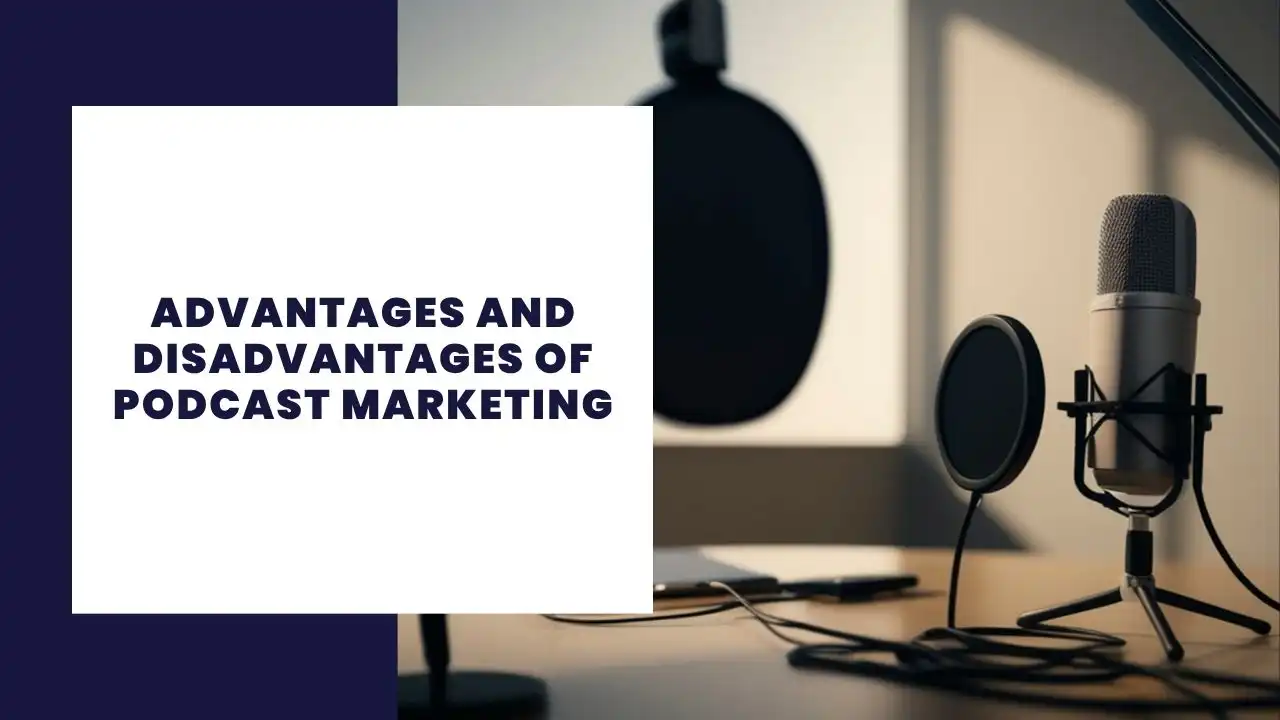
Podcast marketing has become a significant channel for brands and businesses aiming to connect with their audience in a more personal and engaging way. As the popularity of podcasts continues to surge globally, marketers have increasingly turned to this medium to boost brand awareness, build trust, and foster loyalty. However, like any marketing strategy, podcast marketing comes with its own set of strengths and challenges. Understanding these advantages and disadvantages is crucial for anyone considering incorporating podcasts into their marketing mix.
What is Podcast Marketing?
Podcast marketing involves using audio content distributed through podcast platforms to promote products, services, or brands. Unlike traditional advertising, podcast marketing leverages storytelling, interviews, discussions, and educational content to engage listeners who subscribe to specific shows. This format allows marketers to reach niche audiences who are often more attentive and loyal than typical social media followers or website visitors.
Podcasts can be sponsored by brands, integrated with native advertising, or created as branded content. The intimacy of the medium enables marketers to build a deeper connection with listeners, often leading to higher engagement rates and improved brand recall. As podcast listenership grows, so does the potential for marketers to tap into this loyal audience with creative and authentic messaging.
Advantages of Podcast Marketing
1. Highly Engaged and Loyal Audience
Podcast listeners tend to be highly engaged with the content they choose to consume. Unlike other forms of advertising that may be skipped or ignored, podcast ads and branded content are often listened to attentively. This creates a unique opportunity for marketers to connect with an audience that values the content and trusts the host, which can translate into stronger brand loyalty.
2. Ability to Reach Niche Markets
Podcasts cover an incredibly diverse range of topics, from tech and business to hobbies and lifestyle. This specialization allows marketers to target very specific audience segments that align closely with their products or services. Reaching such niche markets through traditional advertising channels can be costly or ineffective, but podcast marketing offers a cost-efficient alternative.
3. Builds Brand Authority and Trust
When brands sponsor or create podcasts that provide valuable and educational content, they position themselves as authorities in their industry. This helps build trust with listeners over time, which is essential for long-term customer relationships. The conversational and authentic nature of podcasts enhances credibility far beyond typical advertising.
4. Increasing Popularity and Growing Audience
Podcast listenership has been steadily increasing worldwide, with millions of people tuning in monthly. This growth means marketers have an expanding pool of potential customers to reach. Early adopters of podcast marketing can benefit from less competition and greater visibility within this rapidly growing medium.
5. Long-Form Content Allows Deeper Storytelling
Unlike short social media ads or banner ads, podcasts allow for long-form content that can tell a story, explain complex ideas, or demonstrate product benefits in detail. This depth helps brands communicate their message more effectively and connect emotionally with their audience with the help of podcast tools.
6. Cost-Effective Compared to Traditional Advertising
Producing a podcast or sponsoring one is often less expensive than running television or radio ads. With relatively low production costs and the ability to reach a global audience, podcast marketing offers a high ROI for many businesses.
7. Multi-Platform Accessibility
Podcasts can be accessed on various platforms such as Apple Podcasts, Spotify, Google Podcasts, and more. This wide availability increases the chances of reaching different demographics and geographic locations without additional effort.
Disadvantages of Podcast Marketing
1. Difficult to Measure ROI Accurately
One of the biggest challenges in podcast marketing is tracking the return on investment. Unlike digital ads where clicks and conversions are easily measurable, podcast metrics often rely on downloads and listener estimates, which do not always correlate directly with sales or leads.
2. Time-Consuming Content Creation
Producing high-quality podcast content requires significant time and effort. From scripting and recording to editing and promotion, the process can be resource-intensive. This can be a barrier for small businesses or marketers with limited time and staff.
3. Limited Control Over Ad Placement
When sponsoring a podcast, advertisers often have limited control over where and how their ads are placed within episodes. This can sometimes lead to ads being placed in less optimal spots or alongside content that doesn’t align perfectly with the brand’s values.
4. Audience Growth Can Be Slow
Building a loyal podcast audience takes time. Unlike social media where content can go viral quickly, podcasts often require consistent publishing over months or years before gaining substantial listenership. This slow growth may not meet short-term marketing goals.
5. Risk of Listener Fatigue
With the increasing number of podcasts available, listeners may become overwhelmed and selective about what they listen to. This saturation can make it harder for new podcasts or sponsors to capture attention and retain listeners.
6. Not Ideal for Visual Products
Podcasts are an audio-only medium, which means products that rely heavily on visual appeal may be harder to market effectively. Brands selling visually-driven products like fashion, art, or design might find podcast marketing less impactful.
7. Dependence on Host’s Popularity and Reputation
The success of sponsored content often depends on the podcast host’s credibility and connection with their audience. If the host’s reputation suffers or they lose popularity, the effectiveness of marketing efforts can decline.
Comparison Table of the Pros and Cons of Podcast Marketing
| Advantages | Disadvantages |
|---|---|
| Highly engaged and loyal audience | Difficult to measure ROI accurately |
| Ability to reach niche markets | Time-consuming content creation |
| Builds brand authority and trust | Limited control over ad placement |
| Increasing popularity and audience | Slow audience growth |
| Allows deeper storytelling | Risk of listener fatigue |
| Cost-effective compared to traditional ads | Not ideal for visual products |
| Multi-platform accessibility | Dependence on host’s reputation |
The Future of Podcast Marketing
The future of podcast marketing looks promising as technology and consumer behavior continue to evolve. Advances in data analytics will likely improve the tracking and measurement of podcast ad performance, making it easier for marketers to justify their investments. Additionally, the integration of interactive elements such as clickable ads and shoppable podcasts may enhance engagement and conversions.
Moreover, as voice-activated devices and smart speakers become more common, podcasts will become even more accessible, further expanding their reach. Brands that invest in authentic, value-driven content will continue to benefit from the trust and loyalty podcasts foster. However, competition will increase, so innovation and creativity in content and advertising methods will be essential to stand out.
FAQs About Podcast Marketing
1. How do I start podcast marketing for my business?
Begin by identifying podcasts that align with your target audience and explore sponsorship or advertising opportunities. Alternatively, consider creating your own branded podcast with valuable content related to your industry.
2. What metrics should I track to measure podcast marketing success?
Focus on downloads, listener demographics, engagement rates, and website traffic or sales attributed to podcast campaigns. Using unique promo codes or URLs can help track conversions more accurately.
3. Is podcast marketing suitable for small businesses?
Yes, podcast marketing can be cost-effective for small businesses, especially when targeting niche audiences. However, it requires commitment to quality content and patience for audience growth.
4. Can podcast ads be skipped like other digital ads?
Generally, podcast ads are not skippable since they are embedded into the episode. This increases the likelihood that listeners will hear the message compared to digital ads.
5. How often should I release podcast episodes for effective marketing?
Consistency is key. Most successful podcasts release episodes weekly or biweekly to maintain listener interest and build a loyal audience over time.
Conclusion of Advantages and Disadvantages of Podcast Marketing
Podcast marketing offers a unique blend of opportunities and challenges for brands looking to build meaningful connections with their audience. Its ability to reach highly engaged, niche listeners and foster trust through authentic storytelling makes it a powerful tool in the marketer’s arsenal. However, the difficulties in measuring ROI, the time investment required, and the dependence on the podcast host’s reputation are important considerations.
As the medium continues to grow and evolve, brands that approach podcast marketing strategically—balancing creativity with patience—will be able to harness its potential effectively. Understanding both the advantages and disadvantages ensures marketers can make informed decisions and craft campaigns that truly resonate with their target audience.