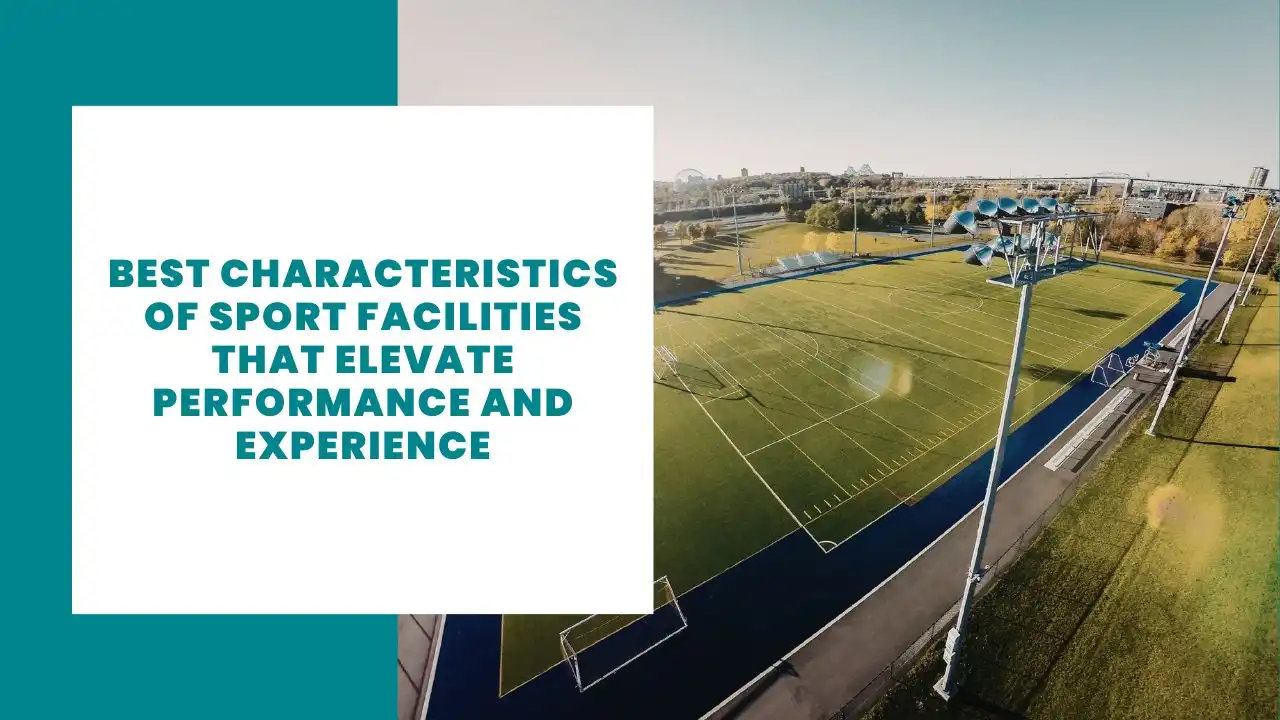
Sport facilities are more than physical spaces where games are played. They shape how athletes train, how leagues operate, and how spectators connect with sport. From a local community field to a full-scale sports complex, the quality of a facility influences safety, performance, revenue, and long-term value.
The most successful complexes are not defined by size alone. They combine thoughtful facility design with amenities that support athletes, fans, and operations. Below are the seven characteristics that distinguish outstanding sport facilities and turn them into destinations for competition, training, and community engagement.
1. Smart Facility Design That Supports Performance
At the core of every great sports complex is intentional facility design. A well-designed complex prioritizes flow, safety, accessibility, and functionality for both athletes and spectators.
Design decisions affect everything from player movement and sightlines to emergency access and crowd control. When sport facilities are planned with multiple uses in mind, they can host leagues, tournaments, practices, and community events without sacrificing efficiency or comfort.
Good design also considers future expansion. Flexible layouts ensure the complex can evolve with growing leagues, new sports, and changing standards without requiring complete reconstruction.
2. High-Quality Turf and Playing Surfaces
The playing surface is one of the most critical elements of any sport facility. Whether it is natural grass or modern synthetic turf, surface quality directly impacts athlete safety and performance.
High-quality turf reduces the risk of injury, improves traction, and ensures consistent play across the entire field or court. For multi-sport complexes, surfaces must accommodate different activities while maintaining durability through frequent use.
Reliable surfaces also enhance scheduling efficiency. Facilities with durable turf can host multiple leagues, tournaments, and training sessions without excessive downtime for repairs.
3. Spectator Experience That Drives Engagement
A great sports complex serves not only athletes but also spectators. Comfortable seating, clear sightlines, shade structures, and accessible pathways transform a game into an enjoyable event.
Spectator-focused design also includes parking flow, entry points, restrooms, and visibility from all angles. When fans feel comfortable and connected to the action, attendance increases and events become more memorable.
An excellent spectator experience strengthens the relationship between the community and the facility, encouraging repeat visits and long-term support for leagues and teams.
4. Thoughtful Amenities That Support Athletes and Fans
Amenities define the usability and appeal of sport facilities. Locker rooms, training areas, medical rooms, and warm-up zones support athletes before, during, and after competition.
For spectators, concessions, shaded seating, water stations, and rest areas enhance comfort during long events. A well-managed concession area not only improves the fan experience but also provides an important revenue stream for the complex.
Additional amenities such as Wi-Fi access, charging stations, and family-friendly areas help facilities remain relevant in a modern sports environment.
5. Sustainability as a Long-Term Operating Strategy
Sustainability is no longer optional in facility design. Leading sport facilities integrate energy-efficient lighting, water-saving irrigation systems for turf, and waste-reduction programs.
A sustainable sports complex reduces operating costs while minimizing environmental impact. Solar panels, smart climate controls, and recycled materials contribute to both financial efficiency and community responsibility.
Sustainability also enhances the reputation of a facility. Communities increasingly favor complexes that demonstrate environmental stewardship, making it easier to secure partnerships, funding, and long-term support.
6. Operational Flexibility for Leagues and Events
The best sport facilities are designed to adapt. From youth leagues to professional tournaments, a complex must support varying schedules, field configurations, and event sizes.
Operational flexibility allows multiple sports to share the same space without compromising safety or quality. Movable seating, modular fields, and adaptable lighting systems make it possible to host games, training sessions, and community activities efficiently.
This flexibility maximizes usage, ensuring the sports complex remains active year-round rather than limited to a single season or league.
7. Integrated Concession and Revenue Infrastructure
Beyond athletics, sport facilities must be financially sustainable. A strategically placed concession area supports both fan satisfaction and operational revenue.
Concessions, merchandise zones, and rental spaces provide income that can be reinvested into maintenance, upgrades, and community programs. Well-designed commercial areas do not interrupt the sporting experience but enhance it by offering convenience and hospitality.
When revenue systems are seamlessly integrated into the facility design, the complex becomes self-sustaining rather than dependent on external funding alone.
FAQs About Sport Facilities
What defines a high-quality sports complex?
A high-quality sports complex combines smart facility design, safe playing surfaces, spectator-focused amenities, and sustainable operations that support athletes, leagues, and the community.
Why is turf quality so important in sport facilities?
Turf directly affects athlete performance and safety. High-quality surfaces reduce injury risk, improve consistency of play, and allow for more frequent use without deterioration.
How does sustainability benefit a sports complex?
Sustainability lowers operating costs, reduces environmental impact, and strengthens community support. Energy-efficient systems and responsible resource management improve long-term viability.
What role do amenities play in sport facilities?
Amenities enhance usability and comfort for both athletes and spectators. Locker rooms, training areas, seating, and concessions improve the overall experience and increase facility value.
How do concessions impact a facility’s success?
A well-managed concession operation provides revenue that supports maintenance and upgrades while improving convenience and satisfaction for spectators during events.
Conclusion of 7 Best Characteristics of Sport Facilities
The most successful sport facilities are built on more than size and appearance. They rely on thoughtful facility design, high-quality turf, strong sustainability practices, and well-planned amenities that support athletes and spectators alike. When a sports complex balances performance, comfort, and financial viability, it becomes a true community asset.
From league play to major events, these seven characteristics define what makes a complex effective, adaptable, and enduring. Investing in these elements ensures that sport facilities remain safe, engaging, and valuable for generations to come.