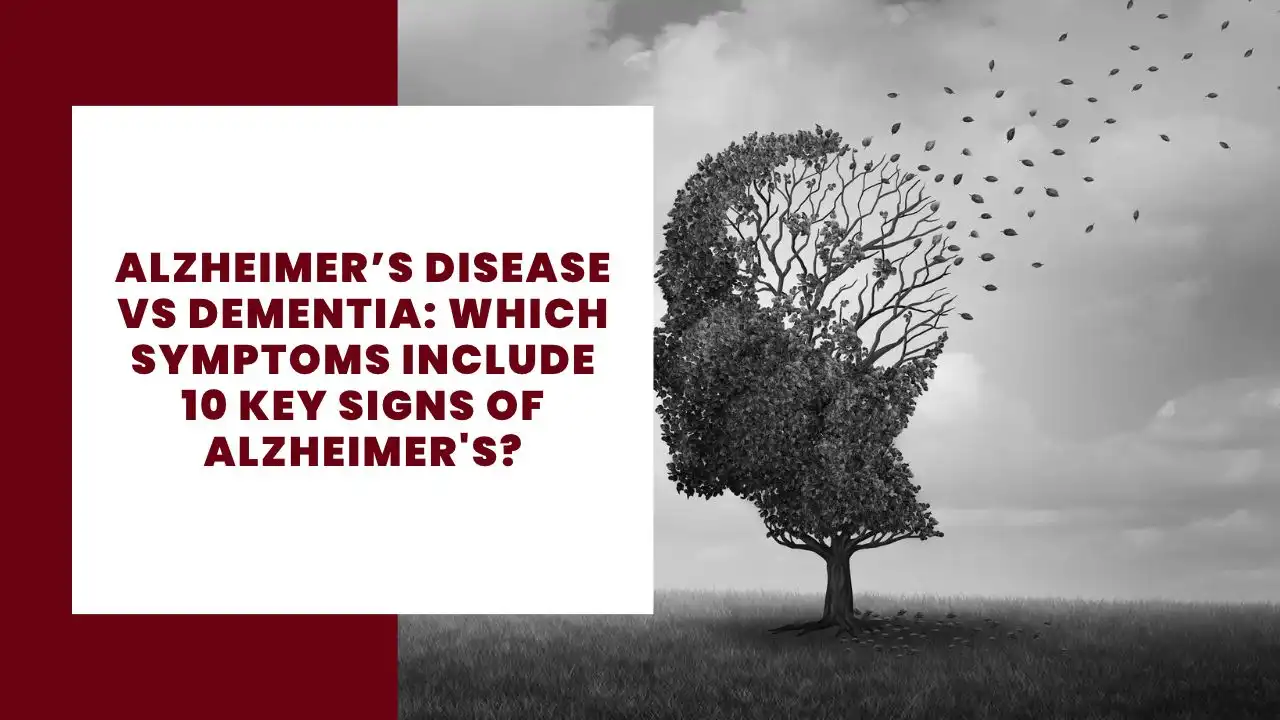
Alzheimer’s disease and dementia are often used interchangeably, yet they represent distinct concepts within the realm of Health and Healthcare. Understanding these differences is crucial for patients, caregivers, and healthcare professionals. This article will delve into the specific characteristics and causes of Alzheimer’s, provide a comprehensive overview of dementia, highlight the 10 Key Signs of Alzheimer’s, and explain how to differentiate Alzheimer’s from other forms of dementia. This guidance is particularly valuable for those involved in Population Health Management, where identifying and managing chronic conditions like Alzheimer’s is essential.
Alzheimer’s Disease Defined: Key Characteristics and Causes
Alzheimer’s disease is a progressive neurological disorder that primarily affects memory and cognitive function. It is the most common cause of dementia among older adults. The disease is characterized by specific changes in the brain, such as the buildup of amyloid plaques and tau tangles. These changes disrupt the communication between neurons, leading to the gradual decline in memory and cognitive skills. Advances in Diagnostic Imaging Protocols have improved the ability to detect these changes early, which is crucial for planning medical interventions and Chronic Care Management (CCM).
The exact cause of Alzheimer’s remains unknown, but a combination of genetic, environmental, and lifestyle factors is believed to contribute to its development. Risk factors include age, family history, and specific genetic mutations. Recent studies have also highlighted the importance of EHR Interoperability in tracking the progression of Alzheimer’s, enabling healthcare providers to offer more personalized treatment plans.
Dementia Explained: Understanding the Broader Spectrum
Dementia is an umbrella term that describes a range of symptoms affecting cognitive functions, such as memory, reasoning, and communication skills. Unlike Alzheimer’s, which has a defined pathology, dementia can result from various conditions, including vascular dementia, Lewy body dementia, and frontotemporal dementia. Each type of dementia has unique features and causes, which can complicate diagnosis and treatment.
The role of a Clinical Decision Support System (CDSS) is crucial in making accurate diagnoses by integrating patient data from diverse sources. These systems assist clinicians in distinguishing between different types of dementia, ensuring that patients receive appropriate care based on their specific condition. Health Information Exchange (HIE) also plays a significant role in sharing patient information among healthcare providers, facilitating coordinated care and improving outcomes.
Recognizing the Signs: 10 Symptoms of Alzheimer’s Disease
Identifying the 10 Key Signs of Alzheimer’s is fundamental for early intervention and management. These symptoms include memory loss that disrupts daily life, challenges in planning or solving problems, difficulty completing familiar tasks, confusion with time or place, and trouble understanding visual images and spatial relationships. Additionally, individuals may experience new problems with words in speaking or writing, misplacing things, decreased or poor judgment, withdrawal from work or social activities, and changes in mood and personality. Recognizing these signs early can lead to timely diagnosis and treatment, which is critical in a Patient-Centered Medical Home (PCMH) setting. For more details, visit 10 Key Signs of Alzheimer’s.
Differentiating Alzheimer’s from Other Forms of Dementia
Distinguishing Alzheimer’s from other dementias is essential for providing targeted care. Alzheimer’s is primarily characterized by memory loss and cognitive decline, whereas other forms of dementia may present unique symptoms. For example, vascular dementia often follows a stroke and is marked by impaired judgment and problem-solving abilities. Lewy body dementia may involve visual hallucinations and movement disorders, while frontotemporal dementia affects personality and behavior.
Utilization Review processes in healthcare settings ensure that patients receive the most effective treatments based on their specific type of dementia. Advanced Practice Registered Nurses (APRNs) are increasingly involved in managing dementia care, utilizing their expertise to offer comprehensive assessments and tailor interventions. The focus on Outcome-Based Reimbursement encourages healthcare providers to improve care quality and patient satisfaction by addressing the unique needs of individuals with different types of dementia.
Conclusion
Understanding the differences between Alzheimer’s disease and other forms of dementia is crucial for effective management and care. Recognizing the specific symptoms associated with Alzheimer’s can facilitate early diagnosis and intervention, improving patient outcomes. This knowledge is invaluable in a healthcare setting focused on delivering tailored, patient-centered care. By employing tools like CDSS and integrating telehealth solutions, healthcare providers can enhance the quality of care for individuals with Alzheimer’s and other dementias.