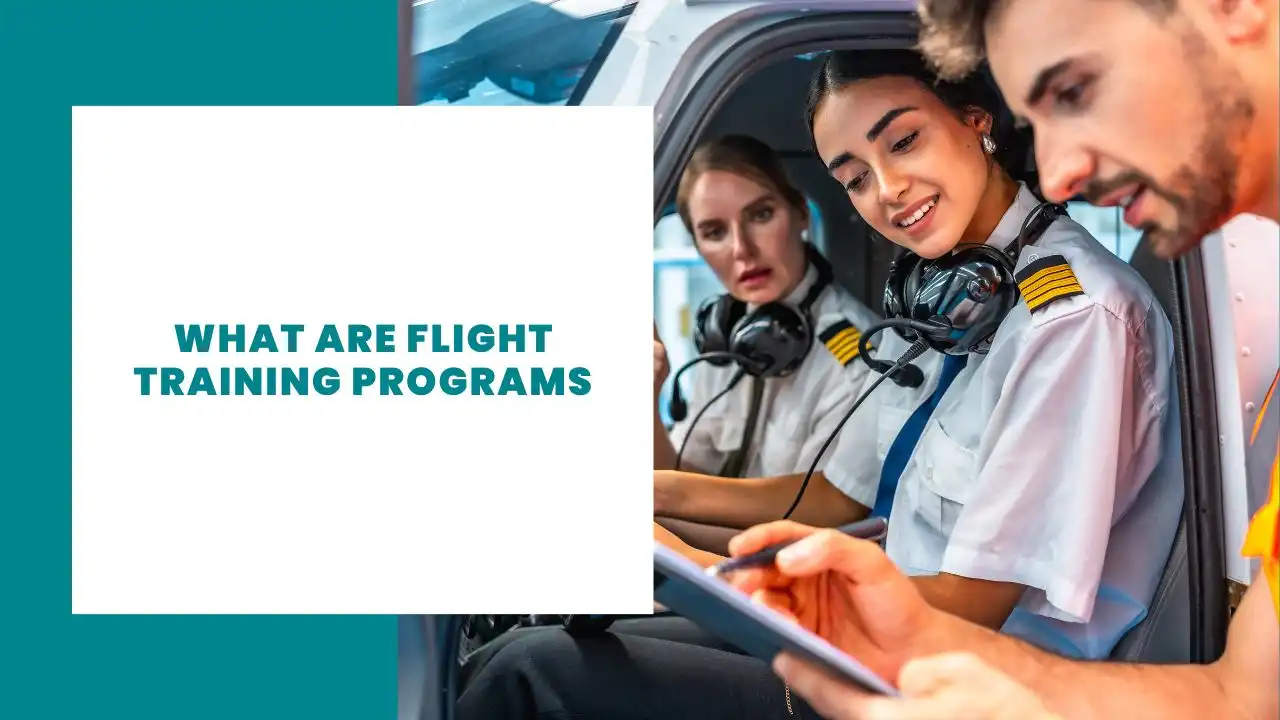
Flight training programs are structured educational pathways designed to teach aspiring pilots how to fly an aircraft, understand aviation systems, and meet the rigorous standards set by the Federal Aviation Administration (FAA) and other global aviation authorities. These programs combine classroom instruction, hands-on simulator experience, and real-world flight hours to help students gain the skills needed to earn a pilot certificate, begin a pilot career, or advance toward roles such as commercial pilot or airline transport pilot. Whether you want to fly recreationally or pursue the airline industry, a well-structured flight training program provides the foundation for safe and successful aviation.
— 1. Understanding Flight Training Programs
Flight training programs are educational tracks offered by a flight school, air flight school, university, or aviation academy. These programs guide a student pilot through every stage required to become a pilot, from foundational theory to supervised flying.
Training includes ground school, where students learn topics such as aerodynamics, weather, aircraft systems, navigation, FAA regulations, and safety procedures. This is paired with flight lessons in a plane such as a Cessna or Boeing-approved simulator.
The goal of every training program is to help students meet the requirements for their desired certification level, accumulate necessary flight hours, and confidently operate a type of aircraft under different conditions.
— 2. Types of Training Offered in Flight Programs
Flight training programs are designed for multiple levels of aviation learners. A beginner may enter training to earn a private pilot certificate, while others pursue higher certifications such as:
- Private Pilot License (PPL)
- Instrument Rating
- Commercial Pilot Certificate
- Certified Flight Instructor (CFI)
- Airline Transport Pilot (ATP)
Each license requires specific training milestones, written exams, oral tests, and FAA checkrides. Some programs offer degree programs that combine aviation coursework with traditional academic studies, while others focus on accelerated completing of flight lessons to help students start flying sooner.
— 3. Structure and Components of Flight Training Programs
A comprehensive flight training program blends academic learning with practical experience.
The structure commonly includes:
Ground School:
Classroom-style lecture, online modules, and in-person briefing sessions where students learn aviation theory, FAA rules, communication procedures, and flight planning.
Flight Lessons:
Hands-on flying in training aircraft supervised by a flight instructor. Students master preflight checks, takeoff, landing, navigation, communication, and maneuver training.
Simulators:
Advanced programs include flight simulators that replicate aircraft performance. Sim sessions help develop instrument skills and emergency responses.
Mentorship:
Many aviation schools integrate mentorship to help student pilots build confidence, refine their pilot training strategies, and adapt to the demands of the airline industry.
Through each phase, students accumulate flight time, gradually progressing toward readiness for FAA examinations and practical tests.
— 4. Common Requirements for Flight Training
To begin training, students usually must:
- Be at least 16 to solo a plane and 17 to earn a private pilot license
- Obtain an FAA medical certificate
- Demonstrate proficiency in English
- Enroll at an approved flight training school or flight school
Some advanced certifications require hundreds or thousands of flight hours, depending on the aviation authority and the student’s desired career path.
Those who want to become a pilot professionally must typically advance toward the commercial pilot level and, eventually, the airline transport pilot certification—the highest pilot rating recognized by the FAA.
— 5. Career Pathways Through Flight Training Programs
A flight training program can lead to various aviation roles, including:
- Recreational pilot
- Private pilot
- Commercial pilot
- Certified flight instructor
- Airline pilot
Before joining a major airline such as Boeing’s partner carriers or other global fleets, pilots often spend years of training instructing, flying charter operations, towing banners, or performing aerial photography.
Programs designed for the airline industry often include accelerated paths to build hours quicker, preparing future aviators to join airline fleets as efficiently as possible.
— 6. Benefits of Flight Training Programs
Flight training programs offer structured training information, consistent skill development, and access to experienced instructors. Students benefit from:
- Safe, supervised flight environments
- Access to standardized aircraft such as Cessna trainers
- Guidance aligned with AOPA (Aircraft Owners and Pilots Association) best practices
- Organized progression from beginner to advanced pilot levels
- Professional development for those pursuing a pilot career
Training is designed to create the best pilots—skilled, confident, and ready to operate safely in a broad range of conditions and aircraft types.
— 7. How Long Do Flight Training Programs Take?
Program duration varies based on certificate level, frequency of training, and individual progress.
A full-time student may complete a PPL in a few months, while others take longer due to weather delays, schedule limitations, or additional practice needed.
Advanced pathways to the airline transport pilot level may require several years to accumulate the necessary flight hours, training experience, and ratings.
Regardless of pace, the best programs adapt to each student’s needs, provide ongoing feedback, and ensure competency at every stage.
FAQs About Topic
1. What is a flight training program?
A flight training program is a structured aviation education system that teaches students how to fly, prepares them for FAA exams, and helps them earn various pilot certifications.
2. How do I become a pilot?
You must enroll in a flight training school, complete ground school, fly with an instructor, pass FAA exams, and accumulate required flight time.
3. How long does pilot training take?
The timeline varies, but earning a private pilot certificate often takes several months, while training to become a commercial pilot or airline transport pilot can take years.
4. What type of aircraft do students fly?
Most schools use beginner-friendly planes like Cessna models, though advanced programs may include simulators and multi-engine aircraft.
5. Do you need a college degree to become an airline pilot?
A degree is not required by the FAA, but many airlines prefer candidates with degrees or extensive training experience.
Conclusion
Flight training programs provide the structured foundation necessary for anyone wanting to enter aviation, whether for personal enjoyment or a professional pilot career. By combining ground school, real flight hours, hands-on instruction, and industry-approved standards, these programs guide students through every step required to earn a certification and fly safely. For those who want to fly, understand aircraft systems, or join the airline industry, a well-designed flight training program is the key to transforming ambition into accomplishment.