What Parents Should Know About Kids Cooking Camps in New Orleans
Written by
Redaction Team
New Orleans is located in southern Louisiana and is known for its rich food traditions. The city’s culture is shaped by community, music, and food recipes passed down through generations, making food an important part of everyday life. In this environment, kids cooking camps offer more than a way to fill school breaks, they provide a space where children can explore, experiment, and connect with the city’s culinary heritage.
It’s important for parents to know that this kids culinary camp in New Orleans help children develop practical cooking skills, build confidence, and learn healthy habits. Beyond being fun, they spark creativity and curiosity in the kitchen while giving kids a deeper appreciation for the flavors and traditions that make New Orleans cuisine so special.
What a Kids Cooking Camp Is Really About
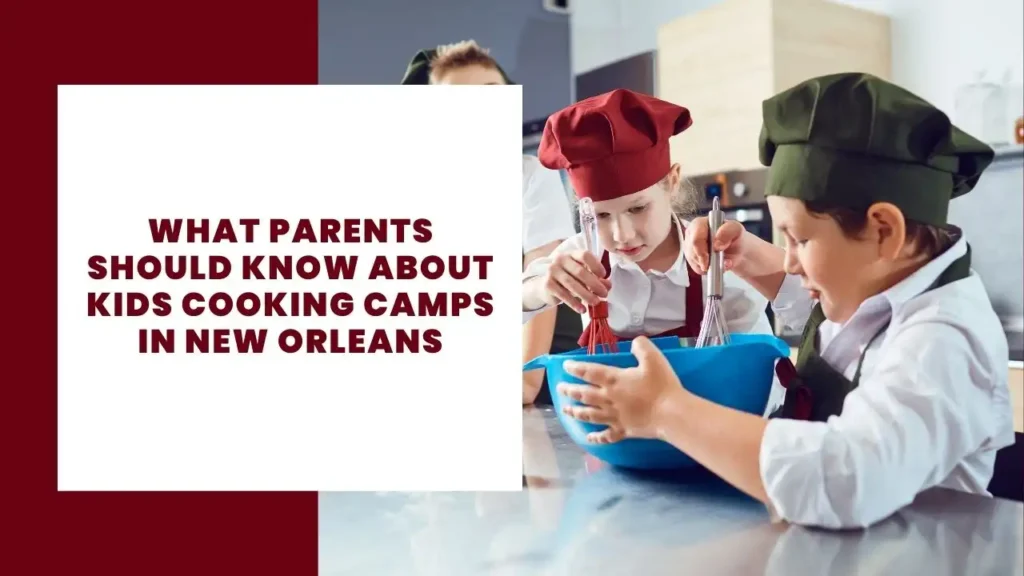
At its core, a kids cooking camp focuses on learning through doing. Children spend time preparing food, following instructions, and working with others. The goal is not perfection. The goal is growth, curiosity, and confidence in the kitchen.
Age Groups and Skill Levels Matter
Most cooking camps are designed for specific age ranges. Younger children need simple recipes and close guidance to stay engaged. Older kids often enjoy more responsibility and longer cooking sessions. Choosing the right level helps children feel comfortable and capable.
What a Typical Day Looks Like
Cooking camps usually follow a clear daily routine. This structure helps children know what to expect and feel secure. A day may include instruction, hands-on cooking, and time to enjoy the finished dish. Breaks are added so kids stay energized and focused.
Safety and Supervision in the Kitchen
Safety is a top priority in any cooking camp. Children are taught how to use tools properly and move safely in the kitchen. Instructors supervise closely at all times. These safety habits help children feel responsible and aware.
Skills Children Learn Beyond Cooking
Cooking camps focus on more than food preparation. Many programs teach life skills that support everyday development.
Common skills include:
Following instructions step by step
Working cooperatively with others
Managing time and tasks
Taking responsibility for the cleanup
These lessons often carry into home and school routines.
Social Skills and Teamwork
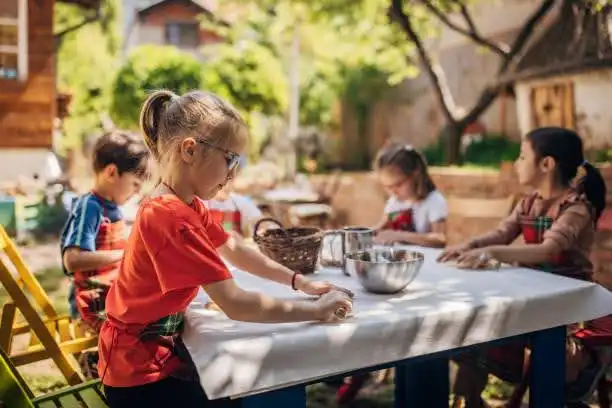
Many cooking activities are done in small groups. Children share tools, divide tasks, and work toward a common goal. This encourages communication and patience. Teamwork becomes a natural part of the experience.
Exposure to New Foods and Flavors
Cooking camps introduce children to ingredients they may not try at home. Tasting is encouraged in a relaxed way. This exposure helps reduce the fear of new foods. Over time, curiosity replaces hesitation.
Creativity and Self Expression
Creativity is welcomed in many camps. Kids may decorate dishes or adjust simple flavors with guidance. There is no pressure to be perfect. This freedom helps children express ideas and build confidence.
The Role of Instructors
Instructors shape the camp experience. They guide children without taking over and encourage questions. A supportive teaching style helps kids feel safe. Learning becomes enjoyable instead of stressful.
How Cooking Camps Support Independence
As the week progresses, children begin doing more on their own. They remember steps and manage tasks with less help. Programs like a kids culinary camp in New Orleans often inspire children to help more at home. Parents notice growing independence and pride.
What Parents Should Ask Before Enrolling
Asking the right questions helps parents choose wisely. Clear answers reveal how thoughtfully the camp is run.
Helpful questions include:
How are children grouped by age
What safety rules are followed
How much hands-on cooking is included
How instructors support different learning styles
These details make a difference.
Long-term Benefits Parents Often Notice
The impact of cooking camp often lasts beyond the final day. Children return home more confident and eager to participate. They may show more interest in food choices and family meals. These small changes reflect meaningful growth.
We use cookies on our website to give you the most relevant experience by remembering your preferences and repeat visits. By clicking “Accept”, you consent to the use of ALL the cookies.
This website uses cookies to improve your experience while you navigate through the website. Out of these, the cookies that are categorized as necessary are stored on your browser as they are essential for the working of basic functionalities of the website. We also use third-party cookies that help us analyze and understand how you use this website. These cookies will be stored in your browser only with your consent. You also have the option to opt-out of these cookies. But opting out of some of these cookies may affect your browsing experience.
Necessary cookies are absolutely essential for the website to function properly. This category only includes cookies that ensures basic functionalities and security features of the website. These cookies do not store any personal information.
Any cookies that may not be particularly necessary for the website to function and is used specifically to collect user personal data via analytics, ads, other embedded contents are termed as non-necessary cookies. It is mandatory to procure user consent prior to running these cookies on your website.