
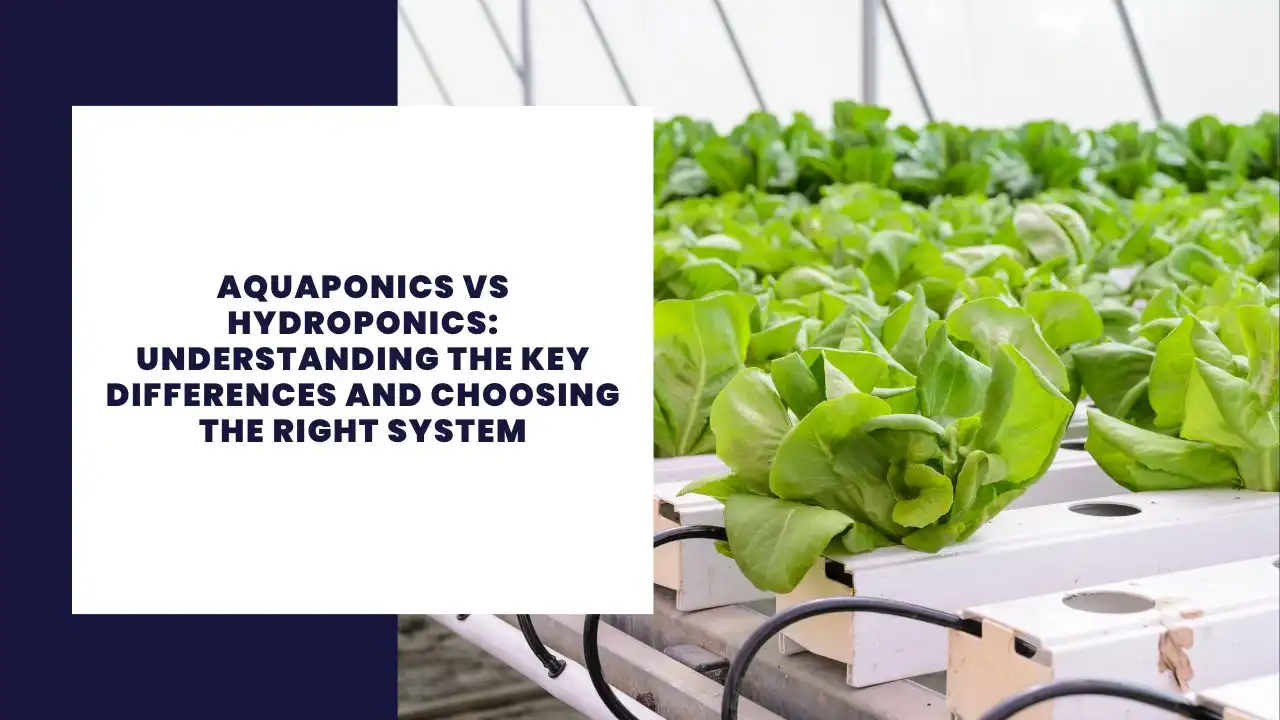
Aquaponics vs Hydroponics: Understanding the Key Differences and Choosing the Right System
Choosing the best method for growing plants without soil can be challenging, especially when comparing aquaponics vs hydroponics. Both systems provide innovative solutions for sustainable food production, offering alternatives to traditional soil gardening.
Understanding the difference between aquaponics and hydroponics is crucial for gardeners, commercial growers, and enthusiasts looking to build a productive and eco-friendly garden. Each method has its own unique system components, advantages, and challenges, and deciding between the two depends on several factors including cost, maintenance, and your long-term goals.
Written by
- Redaction Team
- Professional Career, Professional Development
Table of Contents
Aquaponics and Hydroponics: The Basics
Aquaponics and hydroponics are both soilless farming techniques. Hydroponics is a method of growing plants by delivering essential nutrients and water directly to the roots without the use of soil. It typically relies on a nutrient solution to feed plants. On the other hand, aquaponics is a combination of hydroponics and aquaculture, where fish and plants are grown together in one integrated system. In an aquaponic setup, fish waste provides the nutrients needed for plant growth after being converted into nitrates by beneficial bacteria.
While hydroponics focuses solely on plant cultivation, aquaponics introduces a living ecosystem into the growing method, using fish and plant symbiosis to promote plant growth naturally.
Nutrient Management in Aquaponics and Hydroponics
A key aspect of hydroponics and aquaponics is nutrient delivery. In a hydroponic system, growers must carefully mix a nutrient solution containing all the substances plants need to grow, including nitrogen, phosphorus, potassium, and trace minerals. These nutrients are delivered to the roots through water, creating an incredibly efficient system.
Conversely, in an aquaponics system, nutrients come from fish waste. Ammonia excreted by the fish is broken down by nitrifying bacteria into nitrites and then into nitrates, a form of nitrogen that plants can absorb. Thus, aquaponics depends heavily on maintaining good water quality, managing ph level, and ensuring that fish waste is properly converted for optimal plant growth.
Sustainable Growing: Aquaponics vs Hydroponics
Both methods are seen as sustainable solutions for growing plants without soil, but there are differences in their environmental impact. Hydroponics requires regular supplementation of chemical nutrients and careful disposal of excess water containing unused nutrients, which can affect the environment if not managed correctly.
Aquaponics is often viewed as even more sustainable because it mimics natural ecosystems. Since the fish waste is reused to nourish the plants and the plants help filter and clean the water for the fish, the system recycles resources efficiently with minimal waste.
Difference Between Aquaponics and Hydroponics
Understanding the difference between aquaponics and hydroponics boils down to their reliance on living organisms and system complexity. Hydroponics is generally simpler and faster to set up since it only requires a hydroponic system, a nutrient solution, and plants.
Aquaponics introduces the additional responsibility of managing fish, monitoring ph and ammonia levels, and creating a balanced ecosystem. This added complexity makes aquaponics slightly more challenging to manage, but it also results in a truly sustainable and environmental growing method.
System Components and Design
Setting up aquaponic and hydroponic systems requires a good understanding of system components and design.
In hydroponics, a hydroponics system usually consists of grow beds, a nutrient reservoir, a water pump, and possibly nutrient film techniques where a thin film of nutrient-rich water flows over the roots. There are various types of hydroponic systems including Deep Water Culture, Ebb and Flow, and Aeroponics.
An aquaponic system requires a fish tank, grow beds, a biofilter for bacteria to convert waste, and pumps to circulate water. The system components must be carefully balanced to support both aquatic life and plant health. The system needs to ensure proper oxygenation, filtration, and nutrient availability for both fish and plants.
Similarities Between Aquaponics and Hydroponics
When comparing the similarities between aquaponics and hydroponics, several factors stand out. Both grow plants without soil, rely heavily on water management, and allow for rapid plant growth compared to traditional gardening. They are efficient in space and resource use, making them excellent choices for urban or indoor farming.
Additionally, both systems can produce high yields and are scalable for home use or commercial food production. Each method uses technology and controlled environments to optimize plant growth, allowing growers to produce fresh produce year-round.
Differences in Hydroponics and Aquaponics
Despite the similarities, the differences between aquaponics and hydroponics are significant. Hydroponics depends on artificial nutrient solutions, requiring regular monitoring and adjustment of ph in hydroponics. Hydroponic systems are typically sterile, minimizing the risk of pests and diseases but also lacking the resilience of a natural ecosystem.
Aquaponics relies on fish waste and natural processes, requiring careful attention to the health of both fish and plants. Aquaponics system requires a deeper understanding of aquatic systems and the nitrogen cycle. Additionally, aquaponics can have a slower start-up time since it takes a few weeks to establish a healthy bacterial colony for waste conversion.
Bottom Line Between Aquaponics and Hydroponics
The bottom line between aquaponics and hydroponics is that both offer effective solutions for growing plants without soil. If you’re interested in a system that’s easier to manage and scale, hydroponics may be the better choice. If you’re drawn to a sustainable, eco-friendly system that mimics nature, aquaponics offers a rewarding and educational experience.
Line Between Aquaponics and Hydroponics: Which One is Better?
Deciding which line between aquaponics and hydroponics to follow depends largely on your goals, available time, and expertise. Hydroponics offers quicker setups, cleaner systems, and more control over nutrients, making it ideal for those who prioritize efficiency.
Aquaponics, however, presents a unique opportunity to engage with a living system, reduce chemical use, and create a closed-loop food production model. Since aquaponics integrates aquaculture and gardening, it can appeal to those passionate about ecology and sustainable practices.
Ultimately, there’s no universal answer to which one is better. It depends on whether you value a straightforward, chemical-based growing method or a more natural, interconnected system.
Conclusion: Help You Decide Which System to Use
Choosing between aquaponics or hydroponics can be daunting, but understanding the main differences can help you decide which system best matches your needs. Consider the time you can dedicate, your interest in managing fish, and whether your priority is yield efficiency or ecological balance.
Regardless of your choice, both systems show that it’s possible to grow plants without traditional soil, conserve water, and enjoy fresh produce with lower environmental impact. Whether you’re starting a hydroponics system for quick crops or designing an aquaponics system to create a thriving ecosystem, the future of food production is bright for soilless growing.
More about Professional Career