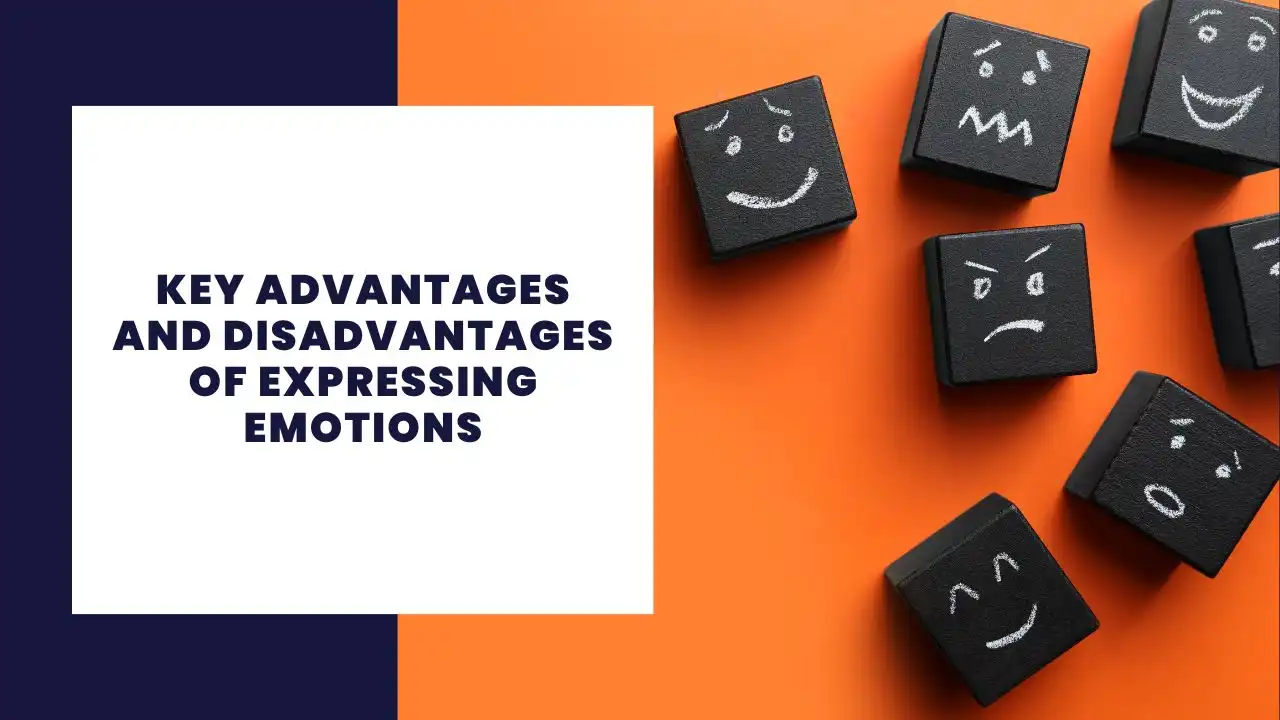
14 Key Advantages And Disadvantages Of Expressing Emotions
Expressing our emotions is a fundamental part of human interaction and psychological functioning. Whether emotions are positive or negative, the way we express feelings influences relationships, communication, and emotional well-being. Emotional expression plays a major role in social psychology, shaping how people connect, how they respond in certain situations, and how they manage internal struggles. Some individuals openly express emotions, while others suppress them due to society’s expectations or personal discomfort. Because of this variation, it is important to understand the advantages and disadvantages of expressing feelings and how it affects emotional health.
Emotional experiences are complex, involving physiological reactions in the nervous system, affective responses, body language, tone of voice, and conscious or non-verbal cues. Through emotional expression, people may build resilience, strengthen relationships, and experience relief. However, strong emotional reactions or unmanaged emotional responses may intensify conflict, create negative outcomes, or negatively influence mental and physical health. Understanding these dynamics is essential for improving self-awareness, developing emotional regulation skills, and fostering healthy ways of communicating.
Written by
- Redaction Team
- Mind, Personal Development
Table of Contents
What is Expressing Emotions
Expressing emotions refers to the verbal, non-verbal, and behavioral ways individuals communicate their thoughts and feelings. It includes facial expressions, gestures, body language, tone of voice, expressive writing, and direct communication. From a theoretical perspective, emotional expression is a natural part of the human experience and an adaptive mechanism linked to both psychological and physiological functioning.
Emotional expression can involve positive emotions such as joy and optimism, as well as negative emotions such as anger, sadness, or fear. Whether the emotional response is positive or negative, expressing feelings provides a way of coping, regulating emotion, and interacting meaningfully with others. Research in social psychology and psychosocial studies highlights the role of emotional expressivity in forming authentic connections and shaping the emotional environment around us.
Expressing emotions becomes especially relevant within organizations, during stressful periods like a pandemic, or when individuals face personal challenges such as higher anxiety, mental health issues, or even physical conditions including autoimmune disorders. In these contexts, emotional expression may help validate experiences, strengthen communication, and improve wellbeing.
Advantages of Expressing Emotions
1. Improved Emotional Well-Being
Expressing feelings can significantly enhance emotional well-being. By verbalizing or acknowledging emotion, individuals reduce psychological tension and prevent emotional overload. Sharing emotions helps avoid the numb or disconnected feeling that comes with long-term suppression.
2. Strengthened Relationships and Authentic Connections
Emotional expression fosters authentic connections with friends, family, partners, and colleagues. When people express emotions honestly and respectfully, it increases trust, active listening, and effective communication. These interactions help validate each person’s experiences and build deeper relational bonds.
3. Better Emotion Regulation
Consciously expressing emotions allows individuals to develop stronger emotion regulation skills. By acknowledging feelings rather than resisting them, people become more aware of their emotional triggers and responses. This self-awareness leads to more adaptive coping strategies and better managing emotions during stressful moments.
4. Positive Effects on Physical Health
Emotional expression can positively influence physical health. Research shows that unprocessed emotions may contribute to physiological stress responses, while healthy expression promotes relaxation and reduces tension in the nervous system. Expressing emotions through integrative or expressive writing may even support immune function.
5. Enhanced Resilience
Expressing emotions can build resilience by helping individuals reappraise challenging situations. Through dialogue or mindfulness, people access broader perspectives that support emotional recovery and long-term wellbeing. Sharing emotions serves as an integrative way of coping that strengthens inner competence.
6. Improved Workplace Communication
Within organizations, emotional expression can support more open, transparent communication. When employees or leaders express thoughts and feelings clearly, the work environment becomes more collaborative. This reduces misunderstandings and promotes a more supportive organizational culture.
7. Reduction of Emotional Contagion
Open expression of positive emotions can help counteract the negative emotional contagion that sometimes spreads through groups. Clear emotional communication helps maintain a healthier emotional environment in families, friendships, and workplaces.
Disadvantages of Expressing Emotions
8. Negative Outcomes in Certain Situations
Although emotional expression can be beneficial, expressing strong emotional reactions in the wrong context may lead to negative outcomes. Certain situations require restraint, such as professional environments or high-conflict discussions. Intense emotional responses can escalate tension or damage communication.
9. Misinterpretation Through Body Language or Tone of Voice
Non-verbal cues such as tone of voice or body language may cause misunderstandings. When emotions are expressed without clarity, others may perceive unintended meanings, creating conflict or emotional discomfort.
10. Social Expectations and Gender Differences
Society’s expectations about emotion may discourage some individuals from expressing their feelings. Gender differences often influence emotional expressivity, with some groups being judged more harshly for emotional responses. This can increase stress or promote unhealthy suppression.
11. Increased Vulnerability
Sharing emotions can make individuals feel exposed or vulnerable. Expressing painful or negative emotions may lead to fear of judgment or rejection. For some people, this perceived vulnerability discourages open communication and contributes to emotional withdrawal.
12. Potential Strain in Work or Organizational Settings
In certain organizational environments, expressing feelings may be viewed as unprofessional. Emotional expression that disrupts workflow or challenges workplace dynamics may create tension, especially if coworkers are uncomfortable with emotional conversations.
13. Overexpression Leading to Emotional Fatigue
Excessive or unregulated emotional expression may intensify internal stress. When individuals repeatedly express emotions without practicing emotion regulation, it can lead to emotional fatigue, conflict, or dependency on others for emotional stability.
14. Difficulty Managing Strong Emotional Reactions
Expressing intense negative emotions without proper regulation may overwhelm both the person expressing them and those around them. When emotional responses become disproportionate, they may contribute to tension, frustration, or strained relationships.
Comparison Table of the Pros and Cons of Expressing Emotions
| Pros | Cons |
|---|---|
| Improved emotional well-being | Negative outcomes in certain situations |
| Stronger relationships | Misinterpretation of tone or body language |
| Better emotion regulation | Social expectations and gender differences |
| Positive physical health effects | Increased vulnerability |
| Enhanced resilience | Workplace strain |
| Better organizational communication | Emotional fatigue |
| Reduced negative emotional contagion | Difficulty managing strong emotions |
The Future of Expressing Emotions
The future of emotional expression is shaped by advances in psychological research, increased focus on emotional intelligence, and changing cultural norms. As mindfulness practices grow and more organizations value wellbeing, emotional expression may gain greater acceptance.
Technology and digital communication also influence how people express emotions. Virtual interactions require different forms of expressivity, making clarity and emotional awareness even more important. Meta-analysis studies in social psychology suggest ongoing interest in understanding emotional expression from both theoretical and practical perspectives.
As society continues to challenge outdated norms and support emotional health, expressing our emotions may become a more recognized component of wellbeing, resilience, and integrative care.
FAQs About Expressing Emotions
Not always. While expressing feelings can support emotional health, doing so without context or regulation may lead to negative outcomes.
Healthy ways include mindful communication, expressive writing, talking with supportive people, and practicing emotion regulation through reappraisal or relaxation techniques.
Long-term suppression may increase stress, affect physical health, and contribute to mental health issues such as anxiety.
Factors include social expectations, past experiences, fear of vulnerability, or lack of emotional awareness.
Practices such as mindfulness, active listening, self-awareness training, and understanding your emotional response patterns can help improve expressivity and emotional communication.
Conclusion of Advantages and Disadvantages of Expressing Emotions
Understanding the advantages and disadvantages of expressing emotions helps individuals make conscious choices about how they share and manage feelings. Emotional expression plays a critical role in communication, resilience, and emotional health, yet it also requires awareness of context and emotional regulation. By recognizing both the benefits and potential challenges, people can find adaptive and healthy ways to express emotions, connect with others, and support long-term wellbeing.
More about Mind