14 Key Advantages And Disadvantages Of Being Too Honest
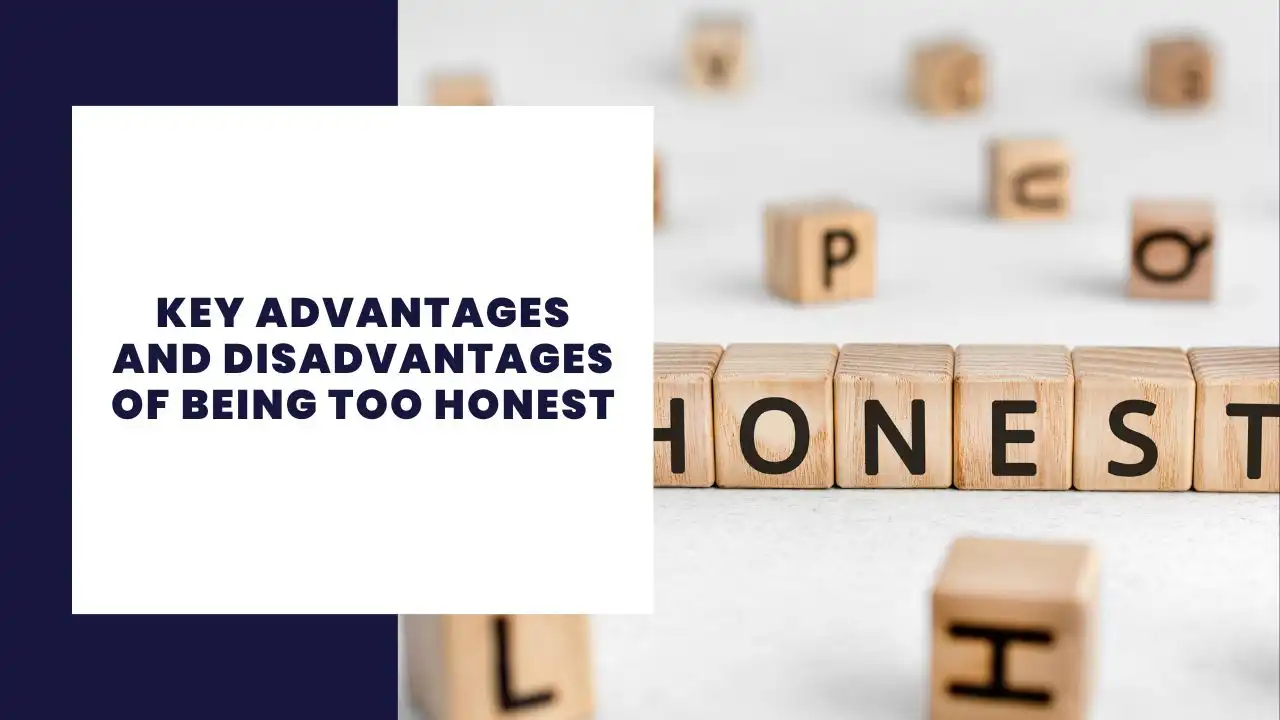
Honesty is widely valued as a cornerstone of character, communication, and human connection. Many people grow up hearing that honesty is the best policy, and in most cases, telling the truth helps build trust and respect. However, honesty can also become complicated. It is possible to be too honest, especially when truth is delivered without tact, sensitivity, or awareness of timing. While being a truthful and honest person has meaningful benefits, there are also drawbacks when honesty becomes harsh, insensitive, or misaligned with the feelings of others. Understanding the full spectrum of the pros and cons allows individuals to use honesty consciously and responsibly.
Written by
- Redaction Team
- Mind, Personal Development
Table of Contents
What is Being Too Honest
Being too honest refers to expressing thoughts, emotions, or opinions with a level of directness that may not consider the impact on others. Brutal honesty or being brutally honest can cross the line from authenticity into insensitivity when it overlooks emotional context, social norms, or the vulnerability of the people in your life.
Honesty is important, but honesty can be a tricky concept when someone assumes that being completely honest means sharing every thought truthfully regardless of consequences. Honesty can also be misunderstood when people think that avoiding a lie automatically means saying everything bluntly. Sometimes, white lies or harmless omissions are used to protect someone’s feelings or maintain harmony in certain situations.
To be honest with yourself and others includes acknowledging imperfections, emotions, and intentions while balancing tact, kindness, and respect. Being honest does not require abandoning empathy or the ability to be mindful of the feelings of others. Instead, it involves consciously choosing when and how to tell the truth in a way that strengthens relationships rather than causing unnecessary disconnect or insecurity.
Advantages of Being Too Honest
1. Builds Strong Trust and Respect
When you’re honest consistently, people trust your intentions and feel secure in your communication. An honest person becomes known as reliable and authentic, which strengthens both personal and professional relationships. Sharing a truthful perspective shows integrity and reinforces trust and respect over time.
2. Encourages Honest Communication
Being honest with someone encourages them to be honest in return. When people feel safe expressing their thoughts and emotions, conversations become more meaningful and constructive. This contributes to better problem-solving and deeper interpersonal connections.
3. Supports Personal Integrity
Being completely honest aligns your actions with your values. The willingness to tell the truth even when it’s uncomfortable reflects strength of character. Honesty is important for maintaining authenticity and living without the burden of dishonestly navigating social situations.
4. Promotes Mental Health and Emotional Clarity
Telling the truth can benefit mental health by reducing anxiety associated with keeping secrets or pretending. Being honest about your feelings helps process emotions more efficiently and reduces emotional tension. When you admit your needs truthfully, you avoid inner conflict.
5. Helps Resolve Conflict More Quickly
Honesty can shorten conflict by bringing issues into the open. Instead of avoiding problems or disguising concerns, direct communication encourages resolution. Addressing misunderstandings truthfully can prevent long-term resentment and strengthen the relationship overall.
6. Strengthens Your Sense of Self
Being honest with yourself and others promotes greater self-awareness. This clarity helps you prioritize what matters, acknowledge personal imperfections, and develop a more grounded personality. Truthfulness encourages personal growth and emotional maturity.
7. Prevents Misunderstandings
Telling the truth eliminates confusion caused by white lies, indirect hints, or unclear communication. People understand your real intentions, making expectations and boundaries clearer. This reduces the chances of misinterpretation.
Disadvantages of Being Too Honest
8. May Hurt Their Feelings
One major disadvantage is that brutal honesty can unintentionally hurt someone emotionally. When an honest answer comes without tact or kindness, the impact can be harmful. Being too direct can make you seem insensitive even if the intention was not to cause pain.
9. Can Damage Relationships
Being too honest without considering the feelings of others may create distance or a disconnect. Overly direct comments about sensitive topics can erode trust and cause insecurity. Sometimes the short-term satisfaction of honesty leads to long-term relationship strain.
10. Creates Social Discomfort
Honesty can be a weakness if delivered in ways that violate social norms or expectations. Certain situations require diplomacy, and being overly truthful may lead to awkwardness or discomfort. People might avoid interacting with you if your honesty feels unpredictable.
11. Can Be Perceived as Judgemental or Critical
When someone is too honest, their comments may come across as harsh criticism. Even when the intention is helpful, the delivery can feel judgmental. This perception can harm your reputation or make people label you as insensitive.
12. May Lead to Unnecessary Conflict
Truth shared without tact can escalate tension. Some topics require gentleness, and brutal honesty can provoke arguments. The disadvantage here is that honest communication becomes counterproductive instead of helpful.
13. Can Make Others Defensive
When people feel attacked or exposed by honesty, they may react defensively. This reaction can block meaningful communication. Even truthful comments can feel threatening if framed carelessly.
14. Can Affect Opportunities and Social Dynamics
In professional settings or delicate social scenarios, being too honest could harm your image, limit opportunities, or unintentionally offend colleagues. An honest opinion that is not carefully considered may weaken trust or make you appear difficult to work with.
Comparison Table of the Pros and Cons of Being Too Honest
| Pros (Advantages) | Cons (Disadvantages) |
|---|---|
| Builds trust and respect | May hurt people’s feelings |
| Encourages honest communication | Can damage relationships |
| Supports personal integrity | Creates social discomfort |
| Benefits mental health | Can seem judgmental or critical |
| Helps resolve conflict | May lead to unnecessary conflict |
| Strengthens self-awareness | Can make others defensive |
| Prevents misunderstandings | May affect opportunities |
The Future of Being Too Honest
The future of honest communication is evolving as society embraces openness, vulnerability, and authenticity. More people value direct communication as a way to strengthen emotional connections, reduce misunderstandings, and support mental well-being. However, tactful communication is becoming equally important.
Digital interactions, workplace expectations, and cultural norms will continue shaping what it means to be honest in productive ways. The growing emphasis on emotional intelligence highlights that honesty can also be balanced with kindness. As communication trends develop, people will increasingly acknowledge that honesty without sensitivity can create unnecessary harm.
Future approaches will encourage honesty that is thoughtful, emotionally aware, and aligned with long-term relationship health. The goal is not to encourage dishonestly avoiding the truth, but to recognize when honesty should be delivered with greater care.
FAQs About Being Too Honest
Yes. While honesty is valuable, being overly direct or brutally honest can harm relationships if the delivery lacks tact or empathy.
No. Honesty does not require sharing every thought, especially if doing so may hurt someone unnecessarily. It’s important to be truthful while also being mindful.
White lies are sometimes used to avoid hurting someone’s feelings. They can be considered dishonest, but in certain situations they help maintain social harmony.
Practice tact, choose the right timing, and focus on being compassionate. You can be honest about your feelings while still respecting the feelings of others.
Being truthful can support mental health, but consistently being too honest without awareness of consequences can lead to conflict, anxiety, and relationship strain.
Conclusion of Advantages and Disadvantages of Being Too Honest
Understanding the advantages and disadvantages of honesty helps you find a healthy balance between authenticity and sensitivity. Being honest supports trust, integrity, mental health, and emotional clarity, making it a powerful foundation for meaningful connections. Yet excessive or brutal honesty can harm relationships, create discomfort, and lead to misunderstandings.
The key is to remain truthful while considering the context, the vulnerability of others, and your long-term goals in each relationship. Honesty works best when combined with tact, kindness, and emotional intelligence.
More about Mind