
20 Key Advantages and Disadvantages of Being a Welder
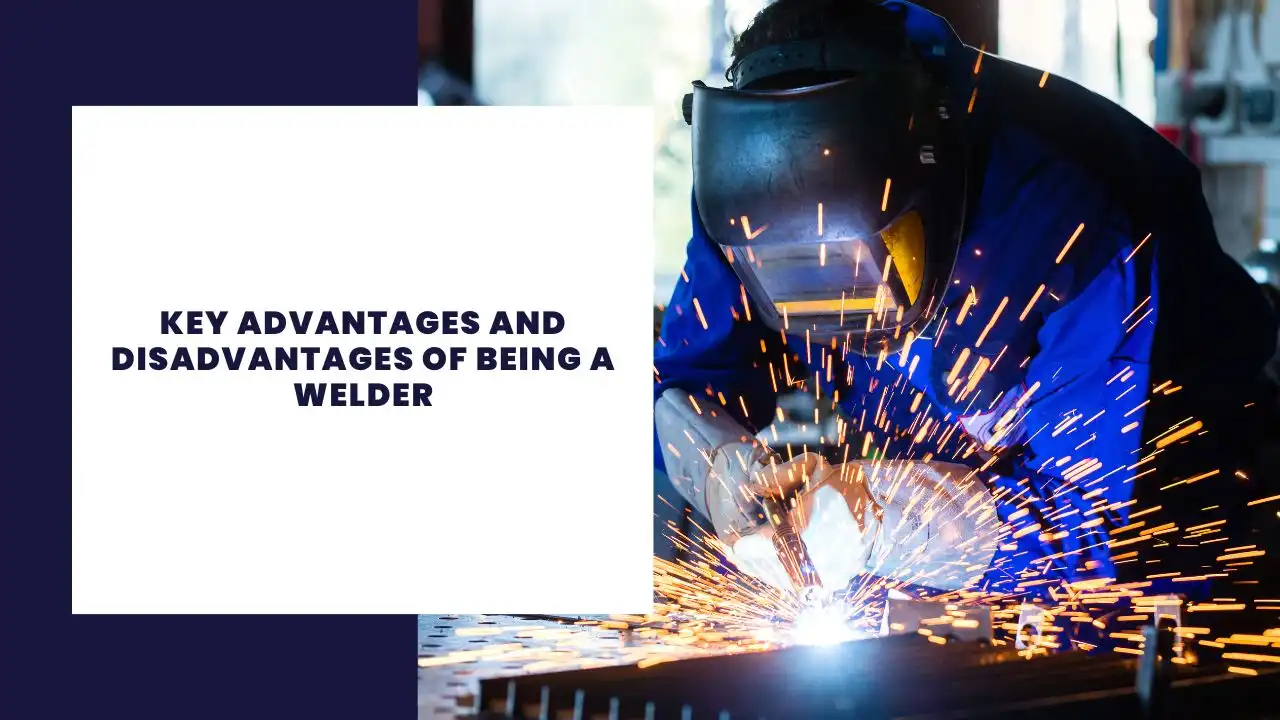
Welding is a skilled trade that plays a crucial role in multiple industries, including construction, manufacturing, aerospace, and automotive. Welders join metal parts using specialized techniques to create durable structures and components. While welding offers numerous opportunities for career growth and financial stability, it also comes with physical demands and safety risks.
Understanding the pros and cons of a welding career helps aspiring welders make informed decisions about their education, training, and long-term goals.
Written by
- Redaction Team
- Professional Career, Professional Development
Table of Contents
What is a Welder
A welder is a professional who uses heat, electricity, or pressure to fuse metal pieces together. Different types of welding, such as arc welding, TIG welding, MIG welding, and underwater welding, require specific skills, certifications, and equipment. Welders may work in fabrication shops, construction sites, pipelines, aerospace facilities, or even underwater environments.
Welding jobs often require a combination of vocational training, apprenticeships, and on-the-job experience. Organizations like the American Welding Society provide certifications and guidance for welders seeking to improve their skills or advance in their career path.
Skilled welders are in high demand, and welding careers can offer job security, competitive salaries, and opportunities to work across various industries.
Advantages of Being a Welder
1. High Demand for Skilled Welders
Many industries require welding services, from construction and manufacturing to aerospace and pipelines. The demand for skilled welders ensures consistent job opportunities and job security.
2. Competitive Salaries
Experienced welders, particularly those in specialized fields like underwater welding, aerospace, or pipeline work, can earn high annual salaries. Welding is considered one of the highest-paying trades in the skilled labor market.
3. Variety of Career Paths
Welders can pursue different career paths, such as fabrication, rig welding, welding technician roles, or becoming a certified welding inspector. Specialized training and certifications can expand job opportunities.
4. Job Satisfaction
Completing a welding project provides a tangible result, offering satisfaction and a sense of accomplishment. Professional welders often take pride in their precision, craftsmanship, and contribution to important projects.
5. Opportunities for Advancement
Welders can advance by gaining certifications, mastering advanced welding techniques, or becoming master welders. Leadership roles in fabrication shops or supervision positions also offer career growth.
6. Work Across Many Industries
Welders are needed in a wide range of industries, including construction, automotive, aerospace, manufacturing, and shipbuilding. This versatility allows welders to explore different types of work environments.
7. Relatively Short Education Requirements
Many welding programs are offered at vocational schools, community colleges, or through apprenticeships. This makes welding an accessible career path without requiring years of formal education.
8. Hands-On and Engaging Work
Welding involves using your skills and judgment to solve problems and create structures. This hands-on nature appeals to those who enjoy working with tools and physical materials.
9. Opportunity to Work Independently or in Teams
Welders may work alone on specific projects or as part of a team on larger construction or fabrication tasks, offering variety in daily work environments.
10. Job Security and Stability
The Bureau of Labor Statistics reports that welding is expected to remain in demand, especially for skilled welders. With certifications and experience, welders can secure stable employment in the welding industry.
Disadvantages of Being a Welder
1. Physically Demanding Job
Welding often requires standing for long periods, lifting heavy materials, and working in awkward positions. This can lead to fatigue and physical strain over time.
2. Exposure to Hazards
Welders are exposed to welding fumes, UV light, sparks, and molten metal. Proper personal protective equipment (PPE) and safety protocols are essential to minimize risks.
3. Dangerous Work Environments
Some welding roles, such as pipeline welding, rig welding, or underwater welding, involve working in hazardous conditions that increase the risk of accidents or injury.
4. Long Hours and Irregular Schedules
Certain projects, especially in construction or industrial settings, may require long shifts, overtime, or weekend work, which can impact work-life balance.
5. Need for Continuous Learning
The welding industry evolves with new techniques, materials, and regulations. Welders must keep their skills updated through certifications, courses, and on-the-job training.
6. Initial Costs for Training and Certification
Becoming a welder may require enrollment in welding programs, purchasing tools, and obtaining certifications. These initial investments can be a barrier for some aspiring welders.
7. Potential for Repetitive Work
Some welding jobs, especially in large-scale production, can involve repetitive tasks, which may feel monotonous over time.
8. Exposure to Extreme Temperatures
Welders often work near high heat or in outdoor conditions with extreme cold or heat, which can be uncomfortable or challenging.
9. Risk of Long-Term Health Issues
Without proper precautions, welders may develop respiratory problems or eye strain due to exposure to fumes and UV light.
10. High Physical and Mental Stress
Meeting tight deadlines and maintaining precise welding standards can contribute to stress, particularly in high-stakes industries such as aerospace or pipelines.
Comparison Table of the Pros and Cons of Being a Welder
| Advantages | Disadvantages |
|---|---|
| High demand for skilled welders | Physically demanding job |
| Competitive salaries | Exposure to hazards |
| Variety of career paths | Dangerous work environments |
| Job satisfaction | Long hours and irregular schedules |
| Opportunities for advancement | Need for continuous learning |
| Work across many industries | Initial costs for training and certification |
| Relatively short education requirements | Potential for repetitive work |
| Hands-on and engaging work | Exposure to extreme temperatures |
| Opportunity to work independently or in teams | Risk of long-term health issues |
| Job security and stability | High physical and mental stress |
Career Paths of Being a Welder
Fabrication Welder
Works in manufacturing or construction, creating metal structures and components in a fabrication shop or construction site.
Underwater Welder
Specializes in welding underwater for pipelines, ship repair, or offshore projects. This high-risk role offers some of the highest salaries in the profession.
Aerospace Welder
Works on aircraft components, requiring precision welding and adherence to strict quality standards.
Pipeline Welder
Focuses on welding pipes for oil, gas, or water projects, often in remote or challenging environments.
Welding Instructor or Trainer
Experienced welders can teach welding programs at vocational schools or community colleges, sharing their expertise with new welders.
Certified Welding Inspector
Inspects welding work for quality and adherence to standards, often requiring advanced certifications and technical knowledge.
FAQs About Being a Welder
You can become a welder by completing a welding program at a vocational school or community college, gaining on-the-job experience, and obtaining certifications from organizations like the American Welding Society.
Yes, welding offers high demand, competitive salaries, job security, and opportunities across various industries. It is considered a promising and rewarding career path.
Welders face physical demands, exposure to heat and fumes, potential injuries, and long hours. Proper safety measures and PPE are essential to minimize risks.
Yes, welders can advance through certifications, specialized welding techniques, becoming master welders, welding inspectors, or instructors.
Welders work in construction, manufacturing, aerospace, pipelines, automotive, and shipbuilding, offering diverse job opportunities.
Conclusion of Advantages and Disadvantages of Being a Welder
Welding is a skilled trade that provides job security, competitive salaries, and career opportunities across multiple industries. The profession allows for hands-on, engaging work and opportunities for advancement through training and certification.
However, welding can be physically demanding, involve exposure to hazards, and require long hours. Those interested in welding should weigh the advantages and disadvantages carefully and pursue proper training, safety practices, and certifications.
For individuals with strong technical skills, attention to detail, and a desire to work in a practical, high-demand profession, welding can be a fulfilling and lucrative career path.
More about Professional Career