
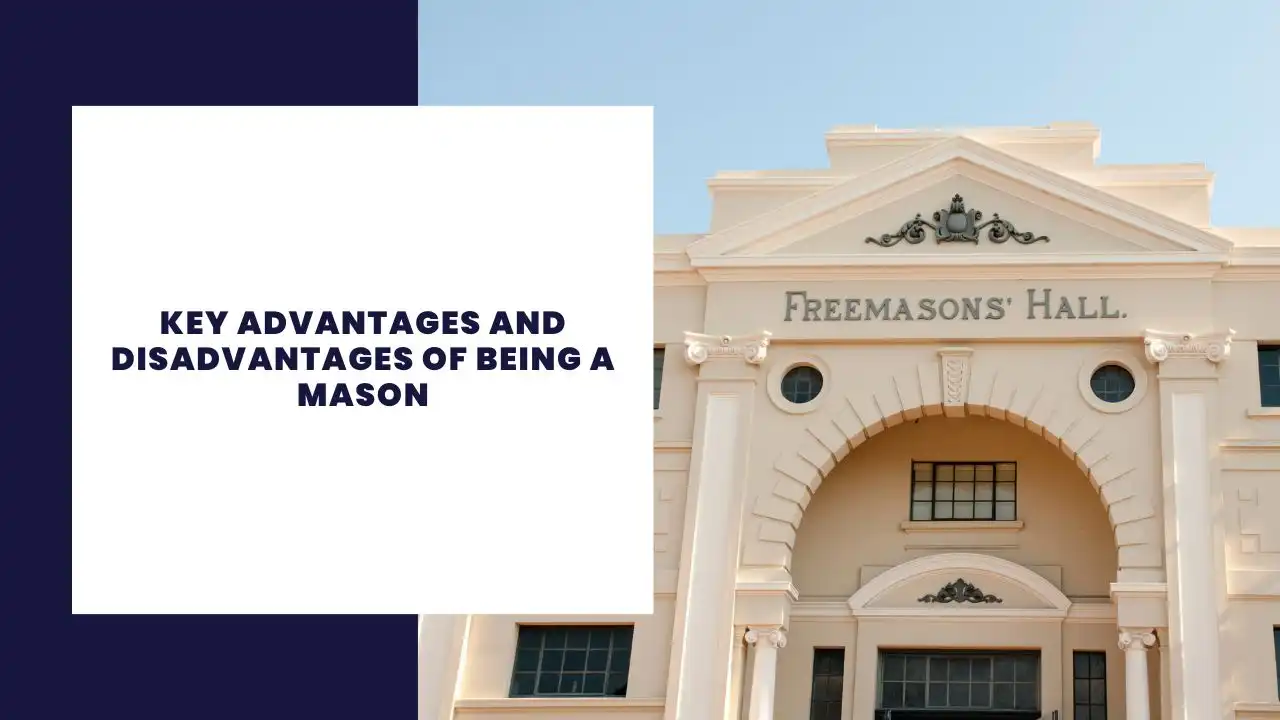
14 Key Advantages and Disadvantages of Being a Mason
Masonry is one of the oldest fraternal organizations in the world, rooted in traditions that date back centuries. For many, becoming a mason is an opportunity to be part of a community dedicated to personal growth, moral values, and charitable work. At the same time, freemasonry has a reputation for being secretive, which has led to conspiracy theories and misunderstandings. If you are thinking about joining, understanding the advantages and disadvantages of being a freemason is essential before you commit to the masonic life.
Written by
- Redaction Team
- Professional Career, Professional Development
Table of Contents
What is Being a Mason?
A mason, more commonly referred to as a freemason, is a member of a global fraternal organization known as Freemasonry. Freemasons meet in a lodge where they take part in ritualistic ceremonies, charitable activities, and service projects. Freemasonry often emphasizes moral and ethical teachings, brotherly love, and the pursuit of self-improvement.
The aspect of freemasonry that draws many people is its ability to bring together individuals from every walk of life. Freemasonry offers a sense of community and unity while encouraging members to become better men. Masonic rituals, allegorical teachings, and references to King Solomon’s Temple provide a symbolic foundation for the fraternity. While some may see it as a secret society, most freemasons describe it as a group committed to charitable giving, moral values, and personal development.
Advantages of Being a Mason
1. Strong Sense of Community
One of the major pros of being a mason is the sense of community that comes from being part of a lodge. Freemasons are expected to support one another, creating lifelong bonds that extend to personal and professional life. This brotherhood offers fellowship, belonging, and brotherly love.
2. Personal Growth and Self-Improvement
Freemasonry gives members the opportunity to focus on moral and spiritual values. Through masonic ritual and allegorical lessons, a fellow mason is encouraged to practice self-improvement and strive to make good men better. This personal growth is at the core of the masonic life.
3. Charitable Work and Service Projects
Freemasonry offers many opportunities for charitable activities, from organizing charity events to supporting community service projects. A masonic lodge often prioritizes charitable giving and service work, allowing freemasons to contribute positively to society.
4. Global Network and Brotherhood
Freemasons are part of a global fraternal organization, with lodges around the world. Whether in England and Wales, the United States, or beyond, a mason can connect with another mason through shared values, rituals, and secret handshakes. This social network is one of the unique advantages of being part of freemasonry.
5. Diversity and Inclusion
Although freemasonry has been criticized in the past, many lodges today embrace diversity and inclusion. Members come from different walks of life, professions, and backgrounds, united by a belief in a higher power and a commitment to moral and ethical principles.
6. Structured Learning Environment
The ritualistic and allegorical aspects of freemasonry create a structured way for members to learn moral lessons. Through initiation and progression, a freemason gains a deeper understanding of symbolism and the allegorical aspect of freemasonry. This ability to learn continuously is highly valued among members.
7. Opportunities for Leadership
Being a mason often provides the chance to take on leadership roles within a lodge. As freemasons attend regular meetings and work on service projects, they can grow their leadership abilities, enhance their confidence, and strengthen their influence within the fraternal organization.
Disadvantages of Being a Mason
1. Time Commitment
One of the main disadvantages of being a freemason is the significant time commitment. Members are expected to attend a masonic lodge regularly, participate in rituals, and contribute to service projects. Balancing these obligations with personal and professional life can be difficult.
2. Financial Obligations
Joining a lodge and remaining a member requires financial obligations. Freemasons are expected to pay dues, contribute to charitable giving, and sometimes purchase regalia. Annual dues and other costs can be a disadvantage for those with limited resources.
3. Secretive Nature and Misunderstandings
Freemasonry often faces criticism due to its secretive rituals and reputation as a secret society. The secretive nature of masonic life has fueled conspiracy theories and negative perceptions, which may cause outsiders to misunderstand the purpose of the fraternity.
4. Association with Conspiracy Theories
Freemasonry is frequently linked to conspiracy theories, sometimes tied to the Illuminati or other shadowy cabals. While these claims are unfounded, the constant association with conspiracy theories and negative portrayals can be a disadvantage for members who face skepticism or judgment.
5. Ritualistic and Allegorical Practices
The ritualistic practices of freemasonry, including masonic ritual, oath ceremonies, and secret handshakes, may not appeal to everyone. For some, the allegorical and symbolic nature of these ceremonies can feel outdated or unnecessary.
6. Potential for Nepotism
Although freemasonry promotes moral and ethical values, critics argue that nepotism can sometimes occur within the fraternity. This perception can create challenges for diversity and inclusion, especially in professional and social settings.
7. Significant Investment of Effort
Becoming a freemason is not just about joining a lodge; it requires dedication, participation, and commitment. From initiation through advancing ranks, freemasons may find the process to be a significant investment of time, energy, and personal involvement.
Comparison Table of the Pros and Cons of Being a Mason
| Advantages of Being a Mason | Disadvantages of Being a Mason |
|---|---|
| Strong sense of community | Significant time commitment |
| Personal growth and self-improvement | Financial obligations and annual dues |
| Charitable work and service projects | Secretive nature and misunderstandings |
| Global fraternal network | Association with conspiracy theories |
| Diversity and inclusion | Ritualistic practices may feel outdated |
| Structured moral lessons | Potential for nepotism |
| Leadership opportunities | Demands significant effort and commitment |
Career Paths of a Mason
Lodge Leadership
Freemasons can advance into leadership roles within their lodge, serving as officers or masters. This path allows members to shape the direction of the lodge and strengthen their leadership skills.
Grand Lodge Roles
Dedicated members may advance to positions within a grand lodge, such as the United Grand Lodge of England, where they can influence broader masonic activities and governance.
Charitable and Community Work
Many freemasons focus on organizing and leading charitable work, community service projects, and charity events. This career path within the fraternity emphasizes philanthropy and giving back.
Masonic Education and Rituals
Some freemasons specialize in teaching masonic ritual, initiation processes, and allegorical lessons. These roles focus on ensuring that the traditions and values of freemasonry are passed down to new members.
Networking and Mentorship
Freemasonry offers opportunities to become a mentor to another mason, guiding new members in both masonic life and their personal and professional life. This path emphasizes brotherly love, support, and personal growth.
FAQs About Being a Mason
Yes, freemasons are expected to have a belief in a higher power, though the organization does not specify any particular religion.
Costs vary by lodge, but most freemasons are required to pay dues and may face additional financial obligations such as regalia or charitable contributions.
The secretive nature comes from ritualistic practices, oaths, and traditions such as secret handshakes. While freemasonry often seems secretive, it primarily focuses on moral lessons and fraternity.
Freemasons are known for their charitable giving, organizing charity events, and supporting community service projects. Charity work is a key aspect of freemasonry.
No, despite conspiracy theories, freemasonry is not connected to the Illuminati. Such claims are misconceptions fueled by misunderstanding and misinformation.
Conclusion of Advantages and Disadvantages of Being a Mason
Freemasonry offers members a unique path for personal growth, community involvement, and charitable activities. The advantages of being a mason include a strong sense of fraternity, opportunities for self-improvement, and access to a global network. On the other hand, the disadvantages of being a freemason include financial obligations, time commitment, and the challenges of dealing with conspiracy theories and misunderstandings.
For those who want to join and are seeking a balance between personal growth, service, and belonging to a fraternal organization, freemasonry offers a rewarding journey. Understanding the advantages and disadvantages of being a mason is vital to making an informed choice about becoming part of this historic fraternity.
More about professional Career