
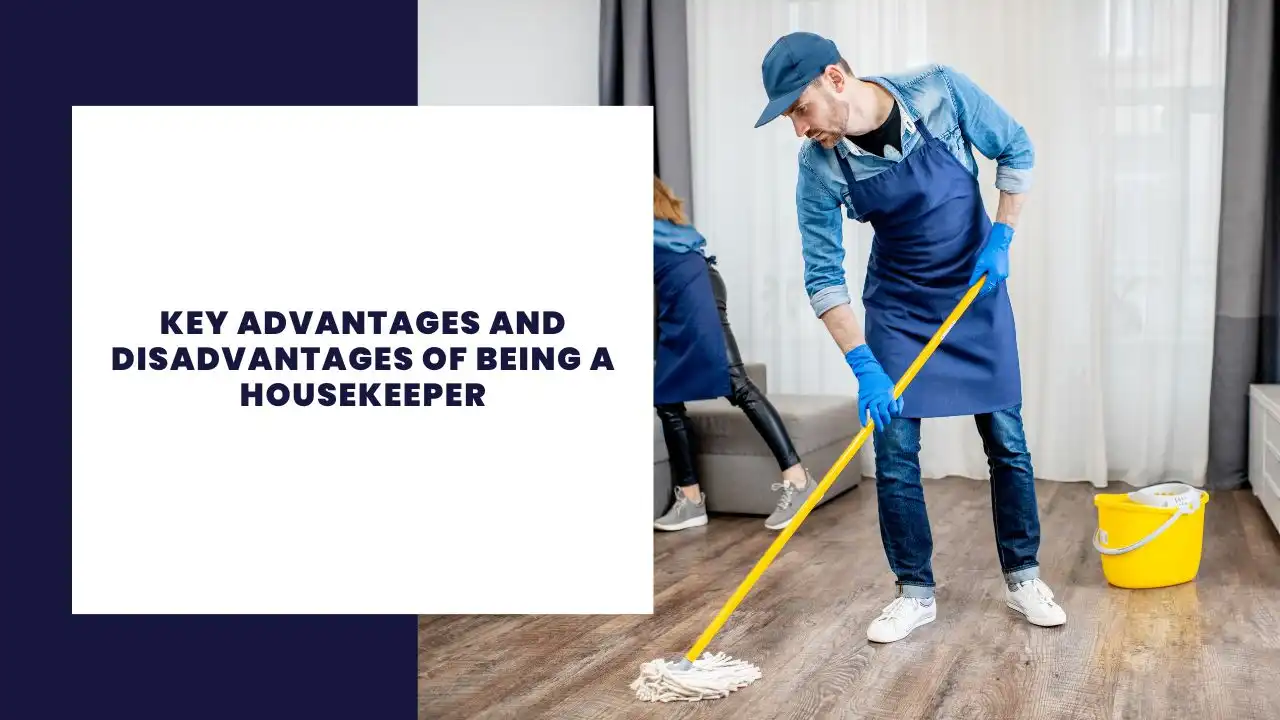
14 Key Advantages and Disadvantages of Being a Housekeeper
Housekeepers play a crucial role in maintaining cleanliness and order in residential and commercial spaces. From light tidying to deep cleaning, these professionals help families and businesses stay organized and hygienic. For those considering a career in housekeeping—or for people looking to hire someone to clean their house—it’s essential to understand the advantages and disadvantages that come with the job. This post provides a comprehensive look at the pros and cons of being a housekeeper to help individuals make informed decisions.
Written by
- Redaction Team
- Professional Career, Professional Development
Table of Contents
What is a Housekeeper?
A housekeeper is a person responsible for the upkeep and cleanliness of a home or business. Often confused with maids or cleaners, housekeepers typically handle a wide range of cleaning duties such as vacuuming, mopping, dusting, washing dishes, ironing, and even organizing spaces. They may work full-time, part-time, or be self-employed and hired for one-time or regular cleaning jobs. Some work as live-in housekeepers while others provide occasional visits as part of a cleaning service or maid service.
Housekeeping jobs can be found in private homes, hotels, resorts, and through cleaning businesses. Employers may look for experienced housekeepers who are trustworthy and capable of keeping their house clean with minimal supervision. Hiring cleaning companies or professional maid services also involves ensuring background checks and evaluating the types of services offered.
Advantages of Being a Housekeeper
1. Flexible Work Schedules
One of the most attractive aspects of becoming a housekeeper is the flexibility. Many housekeepers can choose between full-time, part-time, or biweekly cleaning schedules. This flexibility allows individuals to balance other responsibilities or pursue side opportunities.
2. Low Barrier to Entry
Becoming a housekeeper usually doesn’t require formal education or extensive training. Most cleaning duties can be learned on the job, making it an accessible occupation for many people, including immigrants and those reentering the workforce.
3. Physical Activity
For those who prefer active jobs over sedentary office roles, housekeeping offers consistent physical movement. Tasks like vacuuming, scrubbing, mopping, and washing dishes keep the body in motion, which can improve overall health.
4. Job Satisfaction from Helping Others
Many housekeepers take pride in making others’ lives easier. By maintaining a clean and comfortable environment, housekeepers contribute to their employer’s well-being. Seeing immediate results after a deep clean can also be personally rewarding.
5. Opportunities for Self-Employment
Experienced housekeepers often have the opportunity to start their own cleaning business. This can lead to greater control over rates, types of services offered, and work hours, potentially increasing income.
6. Demand from Working Professionals
The demand for professional cleaning services continues to grow, especially among busy working professionals. More people are looking for a housekeeper to free up time and maintain their home’s cleanliness. This steady demand can lead to job stability.
7. Variety in Tasks
A housekeeper’s day is rarely monotonous. From dusting baseboards to changing linens and deep cleaning bathrooms, the variety in cleaning duties helps keep the job interesting and engaging.
Disadvantages of Being a Housekeeper
1. Physically Demanding Work
Despite its health benefits, housekeeping can be physically exhausting. Repetitive tasks such as vacuuming, mopping, and scrubbing can take a toll on the body, especially when performed for long hours.
2. Exposure to Harsh Chemicals
Housekeepers often use strong cleaning agents that can irritate the skin, eyes, and respiratory system. Without proper protection, long-term exposure to harsh chemicals may result in health issues.
3. Low Pay
Many housekeeping positions are associated with low wages, especially in residential settings. Unless working in upscale homes or running a cleaning business, it can be difficult to earn a high income.
4. Irregular Income
Self-employed housekeepers or those offering one-time cleaning services may experience inconsistent income. Cancellations or seasonal demand fluctuations can make it hard to plan finances.
5. Lack of Benefits
Unlike full-time employees in traditional companies, many housekeepers—especially self-employed or gig workers—do not receive health insurance, paid leave, or retirement benefits.
6. Privacy and Trust Issues
Entering someone’s home requires a high level of trust. Some employers may be suspicious or uncomfortable, which can create an awkward or stressful work environment for the housekeeper.
7. Stigma Around the Profession
Despite the importance of the work, housekeeping is often undervalued. Some people view it as an “easy job,” not recognizing the effort and skill it takes to consistently keep a house clean.
Comparison Table of the Previous Advantages and Disadvantages
| Advantages | Disadvantages |
|---|---|
| Flexible work schedules | Physically demanding work |
| Low barrier to entry | Exposure to harsh chemicals |
| Physical activity and movement | Low pay |
| Job satisfaction from helping others | Irregular income |
| Opportunities for self-employment | Lack of employee benefits |
| High demand from working professionals | Trust/privacy issues when entering your home |
| Variety in daily cleaning duties | Stigma and undervaluation of cleaning jobs |
The Future of Housekeeping
The future of housekeeping is being shaped by increasing demand and changing societal values. With more people working remotely or leading busier lives, the need for home cleaning services is growing. Housekeepers who offer specialized services such as eco-friendly cleaning or deep cleaning using non-toxic products are gaining traction.
Technology also plays a role, with more platforms connecting employers to professional maid services or self-employed cleaners. Additionally, the gig economy is opening up more opportunities for housekeepers to set their own terms, manage flexible bookings, and offer tailored packages for regular cleaning, one-time visits, or whole house cleanings.
As awareness grows around the value of a clean and organized home, hiring a professional cleaning service is no longer considered a luxury but a practical solution for modern life.
FAQs About Housekeeping
While the terms are often used interchangeably, a housekeeper typically performs regular cleaning and organizational tasks and may live in the employer’s home. A maid usually refers to someone hired through a maid service for specific or one-time cleaning jobs.
It depends on personal preferences. If you enjoy physical work, flexibility, and helping others, it can be a satisfying role. However, low pay and physical strain can be disadvantages.
Many housekeeping jobs don’t require prior experience. However, having a background in professional cleaning or working with a cleaning service can improve job prospects and pay.
Services vary but often include vacuuming, mopping, making beds, deep cleaning, washing dishes, dusting, laundry, and organizing. Some also offer occasional visits or customized plans for homes.
Hiring a professional cleaning company often ensures background checks, consistent service, and liability coverage. Independent housekeepers may be more flexible and affordable but require more due diligence.
Conclusion of Advantages and Disadvantages of Being a Housekeeper
Being a housekeeper comes with its share of benefits and drawbacks. On the positive side, it offers flexibility, accessibility, and satisfaction in helping others maintain a clean and comfortable home. Yet, it also presents challenges such as physical strain, low pay, and exposure to harsh chemicals.
For those looking for a housekeeper or considering the profession themselves, it’s important to weigh these pros and cons carefully. Whether you’re hiring a professional cleaning service or entering the industry, understanding the realities of the role ensures that expectations are clear and that the best value is achieved for both parties. Housekeeping remains a vital part of society, and its significance only continues to grow as people seek ways to make their lives easier and their homes healthier.
More about Professional Career