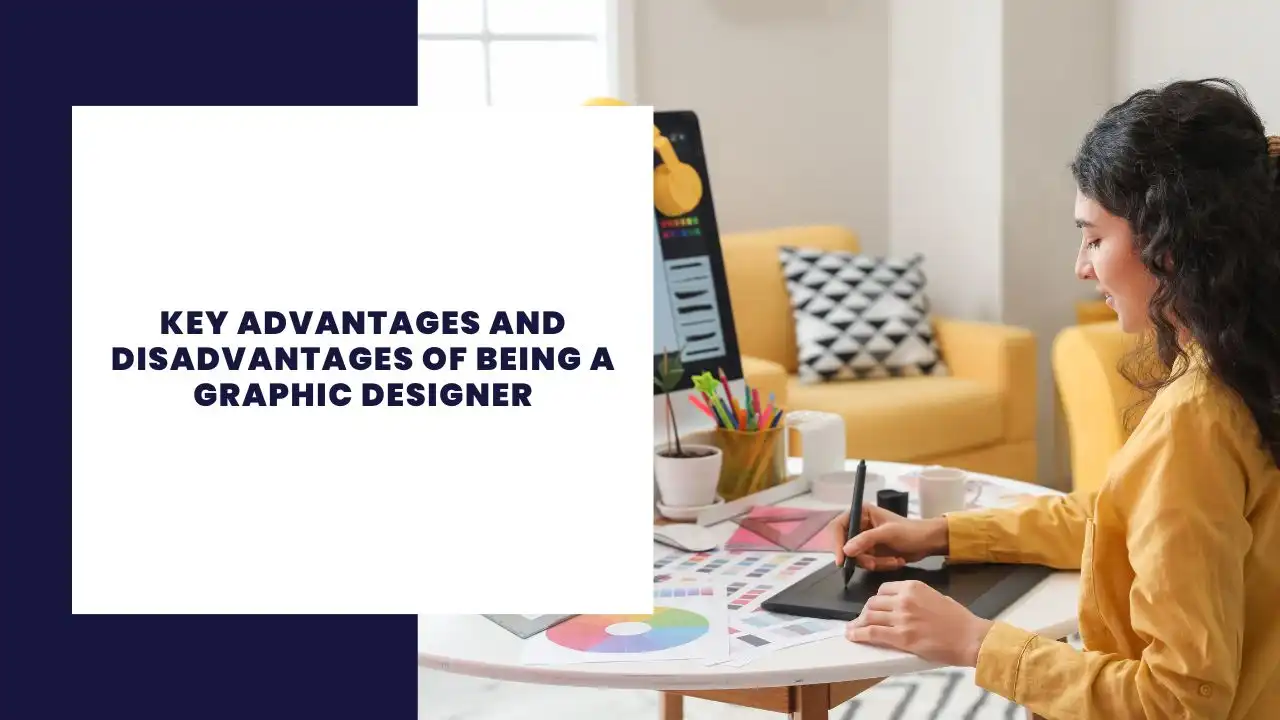
20 Key Advantages and Disadvantages of Being a Graphic Designer
Graphic design has become a cornerstone of visual communication in modern society. Graphic designers combine creativity and technical skills to create visual content that communicates ideas, tells stories, and promotes brands across various platforms. From logos and brochures to web design and packaging, the work of a graphic designer shapes the way audiences perceive businesses and messages.
While pursuing a career in graphic design can be deeply rewarding, it also comes with its challenges. Understanding the pros and cons of being a graphic designer can help aspiring professionals decide whether this creative profession aligns with their skills, interests, and long-term goals.
Written by
- Redaction Team
- Professional Career, Professional Development
Table of Contents
What is a Graphic Designer?
A graphic designer is a professional who creates visual content for print and digital media. They use design programs such as Photoshop, Illustrator, and AI-powered tools to produce logos, posters, banners, brochures, and web interfaces. Graphic design involves a combination of artistic skill, problem-solving, and storytelling to meet client needs and communicate messages effectively.
Graphic designers may work in-house for companies, as part of a creative agency, or as freelance designers. They often collaborate with art directors, marketers, photographers, and UX specialists to develop design projects that are both visually captivating and aligned with a brand’s identity. A strong portfolio is essential for securing clients or positions within the competitive design field.
Advantages of Being a Graphic Designer
1. Creative Expression
Graphic designers have the opportunity to express themselves artistically. The profession allows for personal creativity while solving problems visually, enabling designers to produce work that is both functional and aesthetically pleasing.
2. Versatility Across Industries
Graphic design skills are applicable across many industries, including advertising, marketing, publishing, web development, and entertainment. This versatility opens multiple career paths and opportunities for growth.
3. Freelance and Remote Work Opportunities
Many graphic designers can work remotely or take on freelance projects. Platforms like Fiverr allow designers to reach clients globally, offering flexibility in work hours and location.
4. Tangible Impact
Designers create visual content that influences how audiences perceive a brand or message. Seeing a completed campaign, packaging, or logo in use provides a tangible sense of accomplishment and impact.
5. Skill Development and Learning
Graphic designers continually learn new techniques, design programs, and trends. Staying current with AI tools, UX principles, and emerging technologies allows designers to evolve professionally and expand their skillset.
6. Collaborative Work Environment
Many designers work collaboratively with other professionals, including art directors, photographers, and marketers. This teamwork encourages learning, networking, and exposure to new ideas.
7. Fulfilling Career
Design work can be fulfilling, especially when projects resonate with the designer’s values or help a client achieve their goals. Creating something that captivates an audience offers professional satisfaction.
8. Flexibility in Career Path
Graphic designers can specialize in web design, branding, packaging, poster design, or UX. Freelancers can also diversify into multiple areas, allowing career paths to evolve with industry demands.
9. Opportunities for Self-Expression
Design projects allow for storytelling and self-expression, giving designers the chance to convey ideas and emotions visually. This makes the work highly engaging and personally rewarding.
10. High Demand in the Digital Age
As businesses increasingly invest in digital content, the demand for skilled graphic designers continues to grow. Strong portfolios and technical expertise make designers valuable in competitive markets.
Disadvantages of Being a Graphic Designer
1. High Client Expectations
Clients often have specific visions and demands, which may conflict with the designer’s creative input. Meeting client wants while maintaining quality can be stressful.
2. Irregular Income for Freelancers
Freelance designers may face inconsistent workloads and income. While flexibility is a benefit, it can also create financial uncertainty compared to salaried positions.
3. Long Hours and Tight Deadlines
Graphic design projects often require meeting strict deadlines. Extended work hours, revisions, and last-minute client requests can lead to stress and burnout.
4. Constant Need to Evolve Skills
Design trends, tools, and AI applications are constantly changing. Staying relevant requires continuous learning, which can be demanding.
5. Subjectivity of Design
Design is subjective, and feedback can vary widely. Designers may encounter criticism that is difficult to implement or reconcile with their creative vision.
6. Repetitive or Technical Tasks
Some projects involve routine work, such as editing stock images, formatting files, or creating multiple versions of similar designs, which can feel monotonous.
7. Competitive Industry
Graphic design is highly competitive, requiring a strong portfolio, networking, and constant skill development to secure clients or positions in agencies.
8. Pressure to Multitask
Designers often juggle multiple projects simultaneously, balancing creative work with client communication, revisions, and administrative tasks.
9. Risk of Creative Burnout
Constantly generating ideas and meeting client demands can lead to creative fatigue, especially when personal expression is constrained by client preferences.
10. Dependence on Technology
Designers rely heavily on software and hardware. Technical issues, software updates, and compatibility challenges can disrupt productivity and workflow.
Comparison Table of the Pros and Cons of Being a Graphic Designer
| Advantages | Disadvantages |
|---|---|
| Creative expression | High client expectations |
| Versatility across industries | Irregular income for freelancers |
| Freelance and remote work opportunities | Long hours and tight deadlines |
| Tangible impact | Constant need to evolve skills |
| Skill development and learning | Subjectivity of design |
| Collaborative work environment | Repetitive or technical tasks |
| Fulfilling career | Competitive industry |
| Flexibility in career path | Pressure to multitask |
| Opportunities for self-expression | Risk of creative burnout |
| High demand in the digital age | Dependence on technology |
Career Paths of Being a Graphic Designer
Art Director
Oversees the visual style of campaigns, branding, or media projects, managing design teams and guiding creative direction.
UX/UI Designer
Specializes in designing user interfaces and experiences for websites, apps, and digital platforms, focusing on usability and engagement.
Freelance Graphic Designer
Works independently with various clients, managing design projects, schedules, and business aspects while offering creative services remotely or locally.
Brand Designer
Develops visual identities for companies, including logos, packaging, and marketing materials, ensuring consistency and brand recognition.
Motion Graphic Designer
Creates animated visuals and video content for advertisements, social media, or multimedia projects, integrating graphic design with animation.
FAQs About Being a Graphic Designer
Strong design programs proficiency, creativity, problem-solving, and communication skills are crucial. A strong portfolio is also essential to demonstrate your capabilities.
Yes, many designers work as freelancers or for agencies that allow remote work. Platforms like Fiverr and Upwork make it easier to collaborate with clients globally.
Disadvantages include high client expectations, irregular income for freelancers, long hours, creative burnout, and constant need to update skills.
Career advancement can include roles such as art director, UX/UI designer, brand designer, or motion graphic designer. Specializing in a niche or building a strong portfolio enhances career prospects.
Yes, it offers opportunities for creative expression, tangible impact, problem-solving, and self-expression. Working on diverse projects across industries can make it highly rewarding.
Conclusion of Advantages and Disadvantages of Being a Graphic Designer
Being a graphic designer combines creativity with problem-solving to communicate visually across a variety of media. The profession offers flexibility, opportunities for self-expression, exposure to multiple industries, and the ability to make a tangible impact.
However, the role also comes with challenges, including high client expectations, irregular income for freelancers, long hours, and constant need to evolve skills. Aspiring graphic designers should weigh the benefits and drawbacks carefully to determine whether this dynamic and creative profession aligns with their personal and professional goals.
A career in graphic design can be both fulfilling and demanding, offering a blend of artistic expression, professional growth, and meaningful contributions to visual communication in an ever-evolving industry.
More about Professional Career