
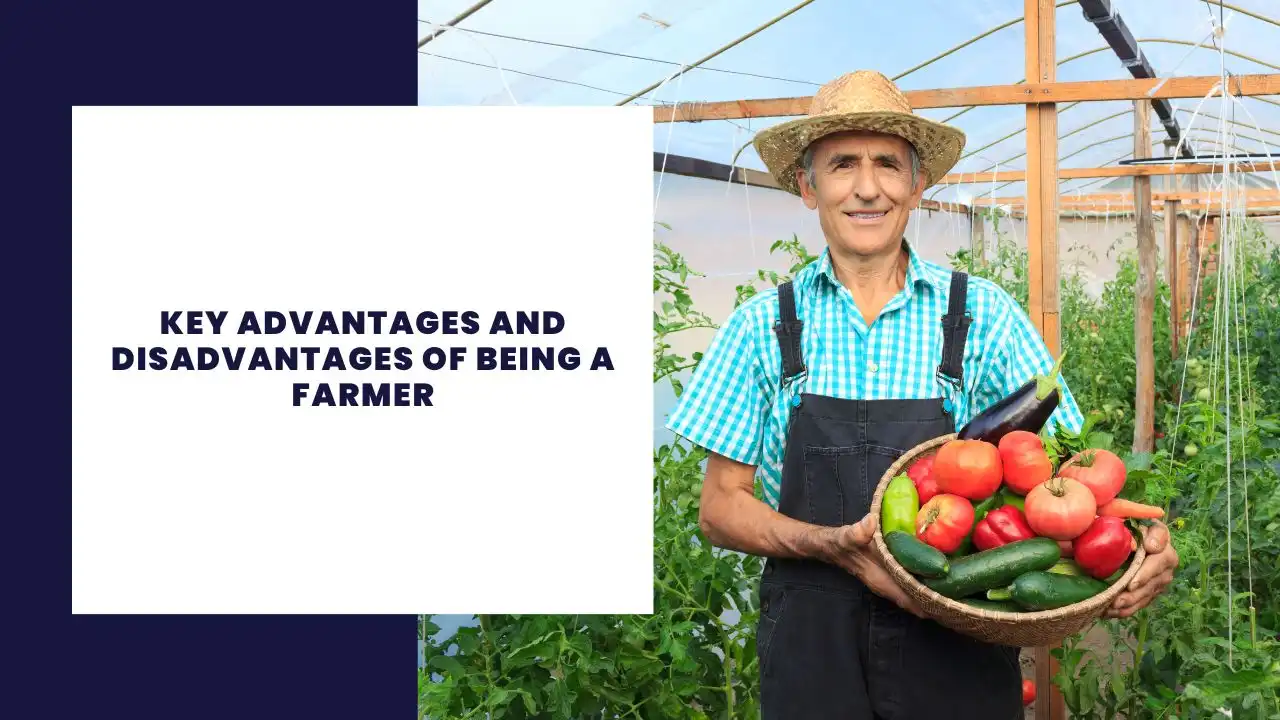
14 Key Advantages and Disadvantages of Being a Farmer
Farming has always been one of the most essential professions in human history. A farmer provides food security, nurtures crops and livestock, and ensures that rural areas remain productive and sustainable. With a growing population, the demand for farmers continues to rise, yet this career comes with its own set of benefits and risks.
While some see farming as a rewarding and bountiful lifestyle that brings a strong connection to nature, others recognize the long hours, physical labor, and risks involved in running farm operations. To make an informed choice about pursuing a career in agriculture, it’s important to weigh the pros and cons carefully and understand the various factors to consider.
Written by
- Redaction Team
- Professional Career, Professional Development
Table of Contents
What is a Farmer?
A farmer is someone who manages farmland, raises animals, or cultivates crops to support food safety and provide for local and global food needs. Farmers may operate a family farm, a successful farm business, or take part in industrial farming on a larger scale. The type of farming varies greatly, from growing soybean, corn, and wheat to livestock production such as beef cattle or poultry.
Farm work involves sowing seeds, harvesting crops, raising animals, and often using equipment like tractors and loaders. Beyond physical labor, operating a farm also requires knowledge of farming practices, sustainable methods, market conditions, and the latest trends and technologies in the agriculture industry. Many farmers rely on state extension and extension publications to improve crop yields and ensure food safety.
Advantages of Being a Farmer
1. Connection to Nature
One of the greatest benefits of farm work is the deep connection to nature. Farmers experience rural areas, open fields, and the cycles of planting, growing, and harvesting firsthand. This lifestyle allows them to stay grounded and live closely with the land.
2. Contribution to Food Security
A farmer plays a direct role in growing food for a growing population. By cultivating crops or livestock, farmers provide essential resources that feed communities and support food safety on both local and global levels.
3. Self-Sufficiency
Farming often brings self-sufficiency. A farmer can grow your food, raise animals, and reduce dependence on outside sources. For many, this independence is one of the most significant advantages of operating a farm.
4. Job Opportunities in Agriculture
The agriculture industry continues to create farm jobs and opportunities in different farm enterprises. From crop production and livestock farming to sustainable practices and farm management, farming offers a variety of career paths.
5. Potential for a Successful Farm Business
With careful planning, diversification, and sustainable practices, a farmer can build a successful farm business. Farmers’ markets, natural farming methods, and niche crops offer ways to improve farm income while maintaining a strong client base.
6. Close-Knit Rural Communities
Many farms are located in rural areas where communities are close-knit. This sense of belonging and support adds value to the farming lifestyle, making it rewarding on a social and personal level.
7. Pride and Fulfillment
For many, raising animals, producing crops, and seeing the results of hard farm work brings immense pride. The bountiful rewards of a good harvest or healthy livestock production provide job satisfaction and meaning to the profession.
Disadvantages of Being a Farmer
1. Long Hours and Physical Labor
Farmers often work long hours, and the physical labor involved in farming practices can be exhausting. From sowing to harvesting and caring for livestock, farm work is demanding and time-consuming.
2. Dependence on Weather Conditions
One of the biggest risks involved in farming is the reliance on weather conditions. Drought, floods, or unexpected storms can devastate crops and livestock, leading to reduced farm income and losses for the farm enterprise.
3. Significant Capital Requirements
Operating a farm requires significant capital. From purchasing farmland and tractors to investing in livestock and production methods, the costs are high. For smaller farms, this investment can be time-consuming and costly.
4. Unpredictable Market Conditions
Farm income often depends on crop prices and market conditions. Shifts in soybean or corn prices, along with changes in demand for livestock production, can make farm operations unstable.
5. Environmental Concerns
Farming practices can contribute to soil erosion, water pollution, and other environmental issues. Farmers face increasing pressure to adopt sustainable practices to protect farmland and reduce the cons of living in rural environments affected by pollution.
6. Stress and Uncertainty
The risks involved in farming, such as changing weather conditions, fluctuating crop yields, and unpredictable income, can lead to high levels of stress. A farmer must be resilient to cope with these ongoing challenges.
7. Limited Free Time
The demands of operating a farm often leave little room for personal time. The long hours, daily tasks, and continuous need for attention mean farmers sacrifice leisure, travel, and other pursuits outside of farm work.
Comparison Table of the Pros and Cons of Being a Farmer
| Advantages of Being a Farmer | Disadvantages of Being a Farmer |
|---|---|
| Strong connection to nature | Long hours and physical labor |
| Contributes to food security | Dependence on weather conditions |
| Self-sufficiency in food | Requires significant capital |
| Wide job opportunities | Unpredictable market conditions |
| Build a successful farm business | Environmental concerns |
| Belonging to close-knit communities | Stress and uncertainty |
| Pride in harvesting and raising animals | Limited free time |
Career Paths of a Farmer
Crop Farming
Specializing in crops such as soybean, corn, or wheat allows farmers to focus on large-scale agricultural production or niche farming practices.
Livestock Production
Raising animals such as beef cattle, poultry, or sheep provides opportunities in livestock farming. This type of farming can also include diversification for added income.
Sustainable and Natural Farming
Many farmers are adopting sustainable practices and natural farming methods to reduce environmental impact and appeal to consumers who want organic food.
Agricultural Management
Some pursue careers in managing farm enterprises, overseeing farm operations, and using the latest trends and technologies to maximize crop yields.
Farmers’ Market Enterprise
Selling directly through farmers’ markets provides an opportunity to connect with consumers, promote food safety, and increase profits from a successful farm business.
FAQs About Being a Farmer
Farmers enjoy a connection to nature, self-sufficiency, and the pride of contributing to food security. Many also build successful farm businesses and become part of supportive rural communities.
The main disadvantages include long hours, physical labor, financial challenges, weather risks, and stress from market conditions.
Yes, operating a farm typically requires significant capital for farmland, equipment such as tractors and loaders, and resources to raise crops and livestock.
Many adopt sustainable practices, diversify farm operations, and use guidance from state extension and extension publications to reduce soil erosion and water pollution.
Farming offers rewarding career paths, but it comes with benefits and risks. Pursuing a career in farming requires resilience, knowledge of farming practices, and the ability to weigh the pros and cons carefully.
Conclusion of Advantages and Disadvantages of Being a Farmer
Being a farmer is a profession filled with both challenges and rewards. The advantages include the fulfillment of growing food, achieving self-sufficiency, and contributing to food security. However, the disadvantages of being a farmer—such as long hours, financial hurdles, and reliance on weather—should not be overlooked.
For those pursuing a career in the agriculture industry, success comes from balancing farming practices with sustainable methods, adapting to market conditions, and maintaining resilience. Farming remains one of the most vital and rewarding careers in the world, but it comes with its share of hurdles that require determination and hard work to overcome.
More about Professional Career