
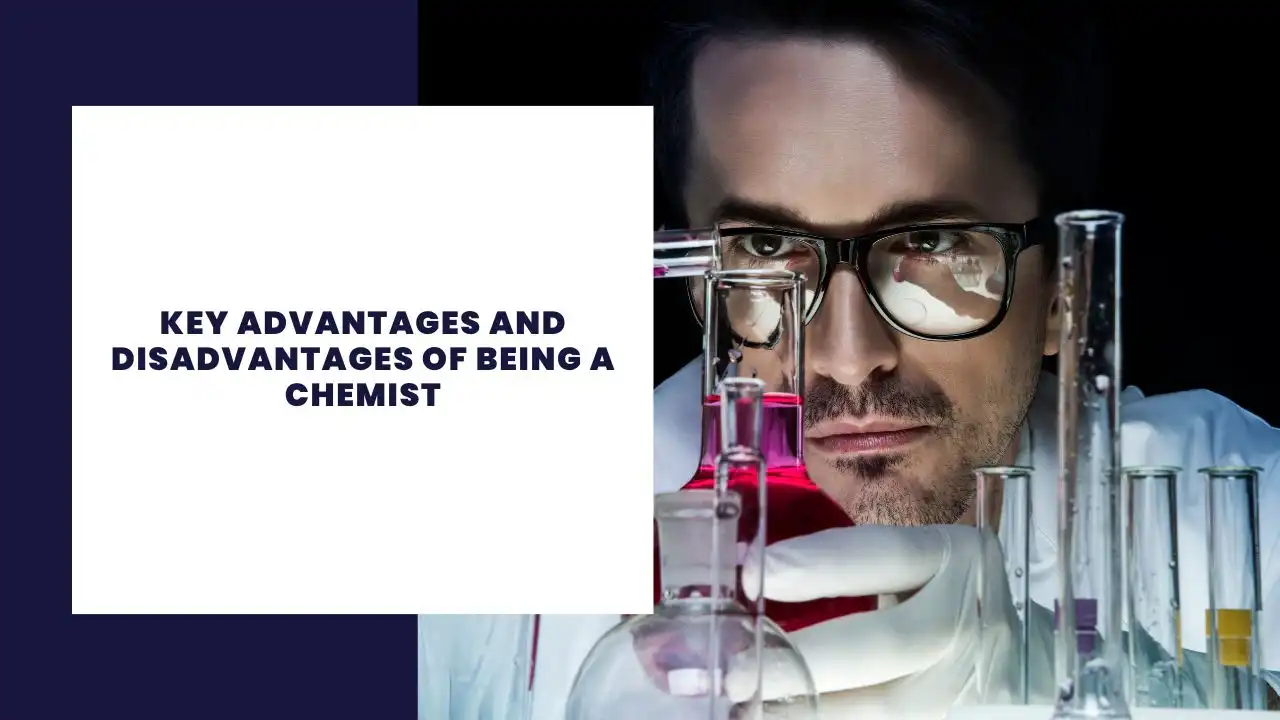
14 Key Advantages and Disadvantages of Being a Chemist
Chemistry is a foundational science that influences nearly every aspect of modern life. From life-saving pharmaceuticals and clean energy to safer food production and innovative materials, chemistry is the engine behind countless advancements. A career in chemistry can be both intellectually rewarding and highly impactful—but like any profession, it comes with its own pros and cons.
For those interested in chemistry, becoming a chemist might seem like an exciting career choice. However, it’s essential to understand both the benefits and the challenges before committing to this path. This article offers a comprehensive look at the advantages and disadvantages of being a chemist, providing insight into what the career truly entails.
Written by
- Redaction Team
- Professional Career, Professional Development
Table of Contents
What is a Chemist?
A chemist is a scientist who studies the composition, structure, properties, and changes of matter. Chemists often work in laboratories where they perform experiments, analyze substances, and develop new chemical products and processes. A chemist could specialize in fields like organic chemistry, analytical chemistry, physical chemistry, biochemistry, or polymer chemistry, depending on their interests and training.
Many chemists work in industries such as pharmaceutical manufacturing, food science, forensic science, or chemical engineering. Chemists can also be found in research and development, quality control, or academic settings. A degree in chemistry—ranging from undergraduate to a Ph.D.—is typically required to start a career as a chemist, especially in specialized or senior roles.
The Bureau of Labor Statistics (BLS) reports that chemists and materials scientists often work in laboratories or industrial settings, applying their knowledge to solve practical problems. Many chemists use advanced instruments and techniques to understand chemical reactions, improve materials, or ensure product safety and effectiveness.
Advantages of Being a Chemist
1. Diverse Career Paths
A chemistry degree opens the door to a variety of career paths. Chemists can work in pharmaceuticals, environmental science, manufacturing, healthcare, academia, or become a chemical engineer. Whether you’re interested in medicinal chemistry, food science, or forensic science, the field offers a wide range of options.
2. Intellectual Challenge and Curiosity
For those who are genuinely interested in chemistry, becoming a chemist offers endless opportunities for discovery. Whether in synthetic organic chemistry or analytical chemistry, solving problems through chemical experiments can be intellectually fulfilling. Many chemists say, “I love my job” because they constantly learn and apply new techniques.
3. Positive Societal Impact
Chemists contribute significantly to society by creating new medications, improving public health, and enhancing safety through better materials. A chemist might work on cancer drugs, cleaner plastics, or safer food packaging—directly improving lives and environments.
4. Good Job Security
According to the BLS, the demand for chemists remains steady, especially in pharmaceuticals, chemical manufacturing, and environmental protection. As technology evolves, the chemist career continues to be relevant, offering job security in both public and private sectors.
5. Competitive Salary
While not always among the highest paying jobs, the salary of a chemist can be very competitive, especially for those with a master’s degree (MS chemistry) or Ph.D. in organic chemistry. Senior positions like senior chemist or production chemist can be financially rewarding.
6. Opportunities for Innovation
Working in research and development or industrial chemistry, chemists have the opportunity to invent new materials or processes. This includes creating new polymers, developing alternative fuels, or designing better delivery systems for drugs.
Moreover, bringing these innovations to life often depends on the use of specialized chemicals that enable precise and efficient reactions. For instance, chemicals like phosphorous pentoxide are widely used in processes that require effective moisture control and chemical transformation, supporting advancements across both research and industrial applications.
7. Constantly Evolving Field
Chemistry is a dynamic and constantly evolving field. New discoveries in chemistry labs, from biochemistry to physical chemistry, make the work engaging and futuristic. Chemists must adapt, stay curious, and often contribute to the development of new technologies.
Disadvantages of Being a Chemist
1. Exposure to Harmful Chemicals
Working with chemicals comes with inherent health risks. Despite strict health and safety protocols, chemists can be exposed to toxic substances, fumes, or dangerous reactions in lab work—particularly in roles involving synthetic organic or industrial chemistry.
2. Long Hours in the Lab
Working in a lab can be time-consuming. A chemist might spend long hours analyzing data, conducting experiments, or writing reports. This aspect of the chemist job can lead to work-life balance issues, especially in demanding sectors like pharmaceutical manufacturing or research.
3. Extensive Education Requirements
To truly advance in the chemistry career, a chemistry degree is just the beginning. Many chemistry jobs require a Ph.D. or grad school training. This involves much time and effort, financial investment, and commitment before landing a paying job in the field.
4. Repetitive Tasks
Some roles in quality control, production, or bench chemistry can become repetitive. While discovery is part of the job, many chemists spend time running the same analyses or overseeing the same processes, which can feel monotonous.
5. Lower Pay in Some Sectors
Compared to fields like engineering or computer science, some chemist positions—especially at the technician or entry-level—can be low paid. Public sector or academic roles might not offer the same salary as private pharmaceutical companies.
6. Limited Job Availability in Some Areas
Depending on location, finding the right job can be challenging. Chemists often need to relocate for the best job prospects, especially if specializing in niche areas like polymer chemistry or forensic science.
7. Risk of Burnout
The pressure to publish, meet deadlines, and work under grant-dependent funding can cause burnout. Chemists in academia or high-pressure research and development teams might face significant stress due to competition and uncertainty in their current job.
Comparison Table of the Previous Advantages and Disadvantages
| Advantages | Disadvantages |
|---|---|
| Diverse career paths in many areas of chemistry | Exposure to harmful chemicals and lab accidents |
| Intellectually stimulating and engaging | Long hours and time-consuming tasks |
| Contribute positively to society | Requires grad school or a Ph.D. for advancement |
| High job security in certain industries | Some tasks may feel repetitive |
| Potential for a good salary | Not all roles are well paid |
| Opportunities for innovation | Limited job prospects in some regions |
| Evolving field with new discoveries | Risk of burnout and high competition |
The Future of Being a Chemist
The future of chemistry is promising as innovation continues to accelerate in materials science, pharmaceuticals, and green technologies. Chemists can work on creating sustainable plastics, cleaner energy sources, and advanced medications. With AI and automation entering chemistry labs, the role of the chemist will increasingly include managing data, designing experiments with software, and collaborating across disciplines.
Additionally, sectors like medicinal chemistry, forensic science, and pharmaceutical research are expanding rapidly, creating new roles for chemists worldwide. Whether working in industry or academia, chemists who adapt to technology and environmental priorities will remain essential.
FAQs About Being a Chemist
A degree in chemistry is the starting point. Many positions require a bachelor’s degree, while research or senior roles often demand a master’s or Ph.D..
Yes, it can be a good career for those who are interested in chemistry, enjoy problem-solving, and want to make an impact. However, it requires dedication and often higher education.
According to the Bureau of Labor Statistics, chemists in the U.S. earned a median salary of around $81,000, depending on experience, education, and industry.
Yes. While lab work is central, chemists can work in regulatory affairs, technical writing, sales, or even education, depending on skills and interests.
Specialties include organic chemistry, analytical chemistry, biochemistry, physical chemistry, and polymer chemistry. Each offers different career paths.
Typically, no license is needed to work as a chemist, though some roles in pharmaceutical or industrial chemistry may require specific certifications.
Conclusion of Advantages and Disadvantages of Being a Chemist
A career in chemistry is multifaceted, offering both rewarding experiences and demanding challenges. From discovering new chemical compounds to contributing to health and environmental solutions, chemists make a lasting impact. However, they also face issues like exposure to hazardous materials, demanding education requirements, and varying salary prospects.
For those passionate about chemical reactions, working in a lab, or solving complex problems, becoming a chemist can be a fulfilling journey. Understanding the pros and cons helps in making an informed career choice. Whether you’re a chemistry major considering grad school or a technician aiming to advance, the chemist career path offers potential, purpose, and continuous growth in a constantly evolving scientific world.
More about Professional Career