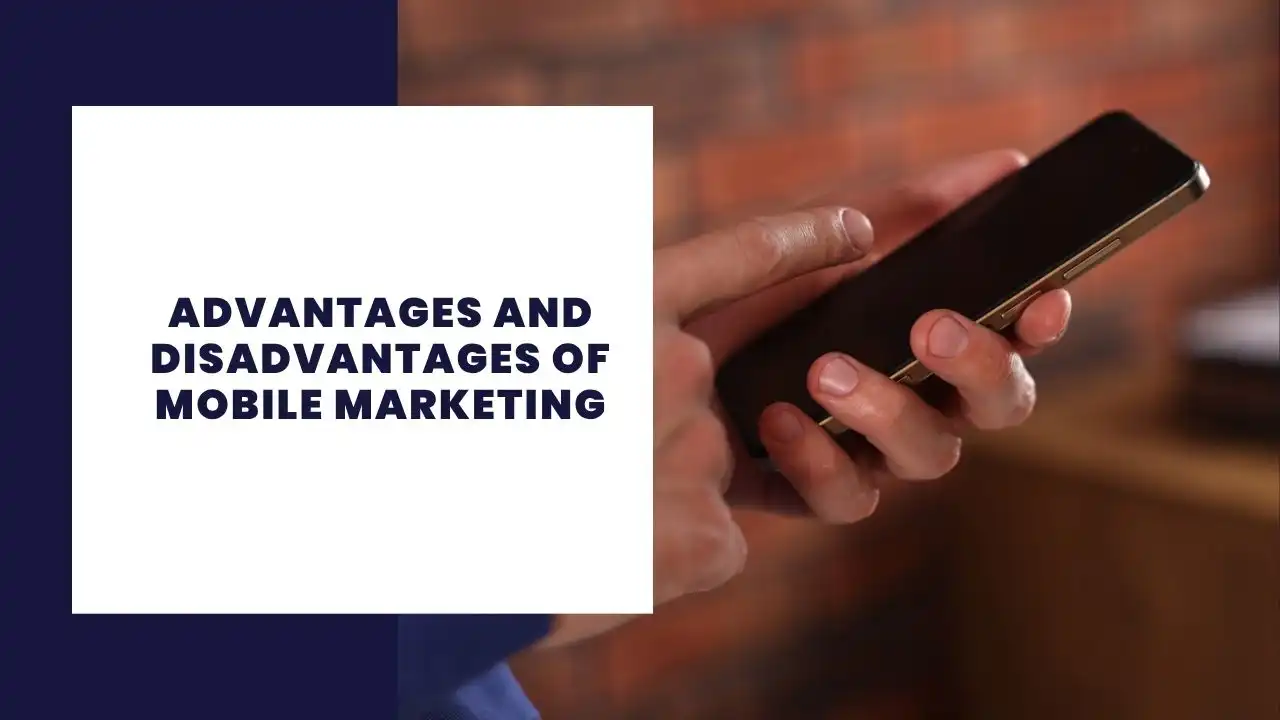
Mobile marketing has become an essential strategy for businesses aiming to connect with their audience in an increasingly digital world. With the rapid growth of smartphone usage, marketers have found new ways to engage customers on the go. While mobile marketing offers numerous opportunities, it also presents certain challenges that companies must navigate carefully. Understanding both the benefits and drawbacks is crucial for crafting effective campaigns that resonate with consumers.
What is Mobile Marketing
Mobile marketing refers to the practice of promoting products or services through mobile devices such as smartphones and tablets. This marketing approach leverages various channels including SMS, mobile apps, social media platforms, mobile websites, and push notifications to reach users anytime and anywhere. The goal is to deliver personalized, timely content that encourages interaction and boosts conversions.
Unlike traditional marketing, mobile marketing focuses on the unique behaviors and preferences of mobile users. It often involves location-based targeting and real-time engagement, making it a powerful tool for businesses seeking to increase brand awareness and customer loyalty. As mobile devices continue to dominate internet usage, mobile marketing remains a dynamic and evolving field.
Advantages of Mobile Marketing
1. Wide Reach and Accessibility
Mobile marketing allows businesses to reach a vast audience since billions of people use mobile devices worldwide. Unlike desktop computers, smartphones are always with users, providing marketers with constant access to potential customers. This wide reach enhances brand visibility and enables targeted campaigns that can adapt to user behavior in real time.
2. High Engagement Rates
Mobile users tend to engage more actively with marketing content due to the personal nature of their devices. Features like push notifications and SMS messages prompt immediate attention, leading to higher open and click-through rates compared to traditional email marketing. This increased engagement helps brands foster stronger relationships with consumers.
3. Cost-Effectiveness
Compared to many traditional advertising methods, mobile marketing can be relatively inexpensive. SMS campaigns, social media ads, and app-based promotions often require lower budgets while delivering measurable results. Small and medium-sized businesses especially benefit from the affordability and scalability of mobile marketing strategies.
4. Location-Based Targeting
One of the standout advantages of mobile marketing is the ability to target users based on their geographic location. Using GPS technology, marketers can send localized offers and promotions that are relevant to customers’ immediate surroundings, increasing the likelihood of conversions and enhancing the customer experience.
5. Personalization Opportunities
Mobile marketing enables highly personalized messaging by leveraging user data such as browsing history, preferences, and purchase behavior. Tailored content resonates better with consumers, making them more likely to respond positively. Personalization also builds customer loyalty by showing that a brand understands individual needs.
6. Real-Time Communication
Mobile devices facilitate instant communication between brands and customers. Whether through live chat, push notifications, or social media interactions, businesses can respond quickly to inquiries and feedback. This immediacy helps improve customer satisfaction and can prevent issues from escalating.
7. Measurable Results and Analytics
Mobile marketing platforms often provide detailed analytics that allow marketers to track campaign performance in real time. Metrics such as click rates, conversion rates, and user engagement offer valuable insights for optimizing strategies and maximizing return on investment (ROI).
Disadvantages of Mobile Marketing
1. Privacy Concerns and Regulations
Mobile marketing involves collecting and using personal data, which raises privacy issues. Consumers are increasingly wary of how their information is handled, and strict regulations like GDPR and CCPA impose legal restrictions on data usage. Failure to comply can result in penalties and damage to brand reputation.
2. Limited Screen Size
The small screen size of mobile devices restricts the amount of information that can be displayed effectively. Marketers must design concise and visually appealing content, which can be challenging for complex messages. Poorly optimized content may frustrate users and reduce engagement.
3. Intrusiveness and User Annoyance
Mobile marketing tactics like frequent push notifications or unsolicited SMS messages can be perceived as intrusive. Overuse of these channels may annoy users, leading them to opt out or uninstall apps. Balancing frequency and relevance is essential to avoid alienating customers.
4. Dependence on Network Connectivity
Mobile marketing effectiveness relies heavily on internet connectivity. In areas with poor network coverage or during outages, users may miss important messages or offers. This dependency can limit the reach and impact of campaigns.
5. Device and Platform Fragmentation
The mobile ecosystem consists of numerous devices, operating systems, and screen sizes. Ensuring consistent user experience across this fragmented landscape requires additional development effort and testing, increasing costs and complexity.
6. Risk of Security Breaches
Mobile devices are vulnerable to hacking and malware, which can compromise user data and trust. Marketers must invest in robust security measures to protect sensitive information and maintain credibility.
7. Short Attention Span of Users
Mobile users often multitask and have shorter attention spans, making it difficult to capture and retain their focus. Marketing messages need to be brief, engaging, and immediately relevant to stand out in a crowded digital environment.
Comparison Table of the Pros and Cons of Mobile Marketing
| Advantages | Disadvantages |
|---|---|
| Wide reach and accessibility | Privacy concerns and regulations |
| High engagement rates | Limited screen size |
| Cost-effectiveness | Intrusiveness and user annoyance |
| Location-based targeting | Dependence on network connectivity |
| Personalization opportunities | Device and platform fragmentation |
| Real-time communication | Risk of security breaches |
| Measurable results and analytics | Short attention span of users |
The Future of Mobile Marketing
The future of mobile marketing looks promising as technology continues to evolve. Artificial intelligence (AI) and machine learning are expected to enhance personalization and predictive analytics, allowing marketers to deliver even more relevant content. Augmented reality (AR) and virtual reality (VR) will create immersive brand experiences, while 5G connectivity will improve speed and reliability.
Privacy will remain a critical concern, pushing marketers to adopt transparent data practices and prioritize user consent. Additionally, the integration of voice search and smart assistants will open new avenues for mobile marketing. As consumers become more sophisticated, brands that embrace innovation while respecting user preferences will thrive in the mobile landscape.
FAQs About Mobile Marketing
1. How does mobile marketing differ from traditional marketing?
Mobile marketing specifically targets users on mobile devices, utilizing channels like SMS, apps, and mobile websites, whereas traditional marketing often relies on print, television, or desktop internet advertising.
2. What types of businesses benefit most from mobile marketing?
Businesses with a local presence, e-commerce platforms, and service providers benefit greatly, as mobile marketing allows them to reach customers in real time with personalized offers and promotions.
3. Is mobile marketing expensive to implement?
Mobile marketing can be cost-effective, especially for small businesses. Costs vary depending on the channels used, but options like SMS campaigns and social media ads offer affordable entry points.
4. How can businesses ensure their mobile marketing respects user privacy?
By complying with data protection laws, obtaining explicit user consent, and being transparent about data usage, businesses can build trust and avoid legal issues.
5. What are some common mobile marketing tools?
Common tools include SMS marketing platforms, mobile app advertising, push notification services, mobile-optimized websites, and social media advertising tailored for mobile users.
Conclusion of Advantages and Disadvantages of Mobile Marketing
Mobile marketing presents a dynamic opportunity for businesses to connect with customers in a personalized, timely, and cost-effective manner. Its advantages, such as wide reach, high engagement, and real-time communication, make it an indispensable part of modern marketing strategies. However, challenges like privacy concerns, device fragmentation, and user annoyance require careful management.
By understanding both the strengths and limitations of mobile marketing, brands can develop thoughtful campaigns that maximize benefits while minimizing drawbacks. As technology advances, adapting to new trends and respecting consumer preferences will be key to sustained success in the mobile marketing arena.