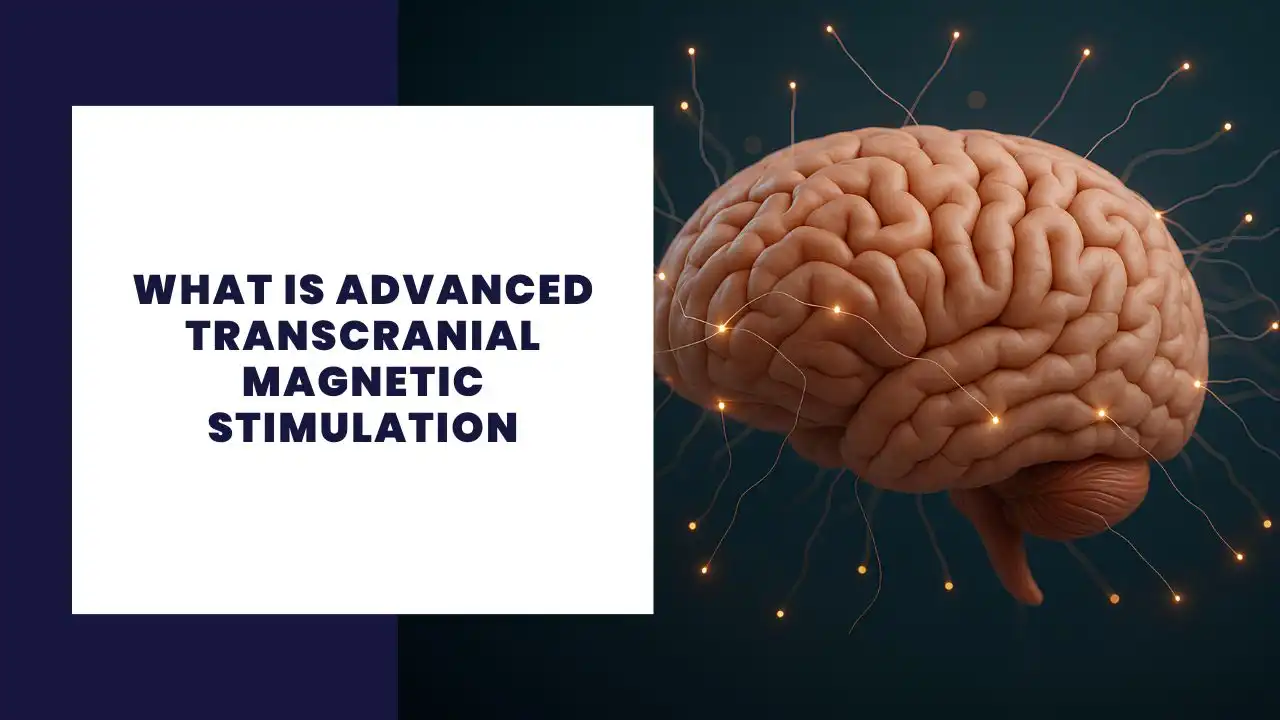
What Is Advanced Transcranial Magnetic Stimulation
Advanced transcranial magnetic stimulation has gained significant attention in mental health care due to its noninvasive approach to treating major depressive disorder and other mental health conditions. This technique uses magnetic fields to stimulate nerve cells in targeted areas of the brain that may be underactive in conditions like MDD and OCD. As research expands and technologies such as NeuroStar Advanced Therapy become more widely available, more patients are discovering a treatment option that is safe and effective without requiring anesthesia or invasive procedures.
Advanced TMS therapy offers an outpatient alternative for people who have not responded to antidepressant medication or talk therapy alone. It provides a structured treatment plan, usually delivered over several weeks of treatment, with each treatment session lasting only minutes. Many individuals are able to continue their daily activities immediately afterward, highlighting the convenience and safety of transcranial magnetic stimulation in modern psychiatry.
Written by
- Redaction Team
- Mind, Personal Development
Table of Contents
1. What Is TMS (Transcranial Magnetic Stimulation)
Transcranial magnetic stimulation, commonly referred to as TMS, is a noninvasive brain stimulation technique that uses magnetic fields to stimulate nerve cells in specific areas of the brain. During a typical TMS treatment, a magnetic coil is placed near the treatment site on the scalp. The coil then emits magnetic pulses that pass through the skull and stimulate underactive areas of the brain involved in mood regulation.
TMS therapy is considered a safe and effective treatment, including repetitive transcranial magnetic stimulation (rTMS), which delivers repeated magnetic stimulation during each treatment session. TMS is FDA-cleared for the treatment of major depressive disorder and obsessive-compulsive disorder, making it a valuable option for patients who have not responded to other treatments.
2. How NeuroStar Advanced TMS Therapy Works
NeuroStar Advanced Therapy is a leading FDA-cleared system for TMS treatment. NeuroStar uses magnetic fields to stimulate targeted regions of the brain associated with MDD and OCD. The NeuroStar Advanced Therapy system is intended for adults suffering from major depressive disorder who have not experienced adequate relief from antidepressant medication.
The NeuroStar TMS coil delivers focused magnetic stimulation in a treatment room while the patient remains awake and alert. Some patients may feel a tapping sensation during the stimulation of brain tissue, which is a common side effect and typically mild. Because the therapy is noninvasive, patients undergoing NeuroStar TMS therapy can usually resume daily activities immediately after their first treatment.
NeuroStar advanced therapy is only available through certified providers, and the advanced therapy system is intended to be used as an adjunct for the treatment of depression in adult patients.
3. Understanding the Stimulation Process in TMS Therapy
The stimulation process involves positioning a TMS coil over the area of the brain linked to mood and emotional regulation. This area often shows underactivity in patients with major depressive disorder. By delivering gentle magnetic pulses, the device can stimulate nerve cells and help regulate brain activity.
During a typical tms treatment, patients sit comfortably in an outpatient treatment room. The magnetic coil delivers repetitive TMS while the patient remains awake. Brain stimulation produced by magnetic waves is precisely targeted and does not require sedation, magnetic resonance imaging, or hospitalization.
While tms is a safe procedure, some patients experience mild pain or discomfort at the treatment site, especially during the first week of treatment. These effects are usually short-lived and diminish as the treatment course progresses.
4. Who Is a Candidate for TMS or Candidate for TMS Therapy
A candidate for TMS is typically an adult with major depressive disorder who has not responded adequately to antidepressant medication or talk therapy. TMS can be considered for adults experiencing mild to moderate symptoms or more persistent forms of depression.
A candidate for TMS therapy may also include individuals with OCD, though treatment protocols differ. Providers carefully evaluate whether TMS is right based on medical history, severity of symptoms, and past treatment attempts.
Transcranial magnetic stimulation may be a suitable treatment for adults who want a noninvasive intervention and prefer to avoid electroconvulsive therapy. Many patients choose TMS because it is covered by most major insurance plans when indicated for the treatment of depression.
5. How TMS Becomes a Treatment for Depression and MDD
TMS therapy is indicated for the treatment of major depressive disorder in adults who did not respond to at least one antidepressant medication. By stimulating underactive areas of the brain, the therapy helps regulate mood and restore healthier brain function.
Because the therapy involves no anesthesia, hospitalization, or systemic medication, many patients find TMS easier to tolerate than other types of treatment. TMS treatment can be used as an adjunct therapy to enhance the effects of antidepressants and improve long-term outcomes in the treatment of depression.
A complete TMS treatment course generally involves daily sessions for several weeks. Many patients notice improvements during the first treatment phase, though others may respond more gradually.
6. What Makes NeuroStar TMS Different From Deep TMS or Other Types of TMS
NeuroStar TMS is a form of repetitive transcranial magnetic stimulation that uses a specialized magnetic coil and focused magnetic fields. Unlike deep TMS, which uses different coil technology designed to reach deeper brain structures, NeuroStar focuses on targeted stimulation at clinically proven depths.
NeuroStar Advanced Therapy and NeuroStar Advanced TMS systems provide consistent magnetic energy delivery using a coil design optimized for comfort and safety. Patients typically experience only a tapping sensation, and effects are usually manageable.
The safety of transcranial magnetic stimulation using NeuroStar has been evaluated through extensive clinical research, supporting its use in psychiatry for depression and OCD.
7. What to Expect During a TMS Treatment Session
When patients undergo TMS, the experience is straightforward. During the first TMS treatment, clinicians determine the specific treatment site and motor threshold. This helps calibrate the magnetic coil to deliver the appropriate stimulation intensity.
Treatment sessions usually last between 20 and 40 minutes. Throughout the session, the patient is awake and alert. Because TMS treatment does not require recovery time, patients can return to daily activities immediately after leaving the outpatient clinic.
Common side effects may include discomfort at or near the treatment site or a mild headache, but these symptoms typically lessen after the first week of treatment.
8. Safety and Risks, Including Risk of Seizure
TMS is a safe treatment for adults, and the risk of seizure is extremely low, especially when delivered using FDA-cleared systems such as the NeuroStar Advanced Therapy System. The therapy offers a noninvasive approach to brain stimulation without the systemic side effects associated with antidepressant medication.
The safety of transcranial magnetic stimulation has been well documented, and adverse events are rare. The effects are usually mild and temporary, making TMS one of the least invasive psychiatric treatment options available.
9. Duration and Structure of a TMS Treatment Course
A typical TMS treatment course lasts several weeks, often involving sessions five days a week. TMS treatment protocols vary depending on the type of TMS used and the patient’s treatment plan.
Patients undergoing NeuroStar treatment generally complete a structured program designed to maximize the stimulation of nerve cells in underactive areas of the brain. The number of sessions may vary based on the severity of symptoms and response rate.
The treatment of major depressive disorder with TMS often continues until significant symptom reduction is achieved.
10. Why NeuroStar Advanced Therapy Is a Leading Option
NeuroStar Advanced Therapy stands out due to its clinical track record, patient comfort, and accessibility. NeuroStar TMS Therapy is covered by most major insurance providers and supported by FDA clearance for the treatment of adult patients suffering from major depressive disorder.
The system delivers focused magnetic stimulation through a coil that creates gentle magnetic pulses. This design enhances precision and comfort, reducing discomfort at the treatment site.
Because advanced therapy is only available through trained providers, patients can expect a high standard of care when determining whether TMS is right for them.
11. Common Side Effects and Factors to Consider Before You Undergo TMS
Common side effects include mild pain or discomfort at or near the treatment site, tingling sensations, and temporary headaches. These effects are usually minimal and lessen after the first week of treatment.
TMS can cause twitching in facial muscles during stimulation, which is normal and caused by the magnetic pulses. Providers evaluate side effects and adjust the treatment plan if needed.
TMS is not recommended for individuals with certain metal implants or those with significant neurological risk factors. Providers evaluate each patient before treatment.
12. How TMS Works Within a Full Mental Health Treatment Plan
TMS treatment is often used as an adjunct therapy for individuals who need more support than medication and talk therapy can provide. Providers in psychiatry may integrate TMS into a comprehensive treatment plan that includes psychotherapy, medication management, and lifestyle strategies.
Because the therapy is intended to be used alongside other evidence-based treatments, it fits naturally within a holistic approach to mental health care.
13. Why TMS Is a Safe and Effective Treatment for Adults
TMS is a safe and effective treatment for adults who have not found relief with traditional antidepressants. The therapy uses magnetic fields to stimulate nerve cells without affecting the rest of the body.
It requires no sedation and allows patients to remain awake and alert, making it more accessible and less intimidating than treatments like electroconvulsive therapy.
Many patients experience meaningful improvement during weeks of treatment, with long-lasting benefits reported in many cases.
14. How Advanced TMS Continues to Evolve
Advanced TMS technology continues to expand, offering improvements in comfort, precision, and outcomes. NeuroStar Advanced TMS and other systems are constantly refining coil design, magnetic energy delivery, and treatment protocols.
As research evolves, TMS is expected to broaden its applications beyond depression and OCD, potentially transforming how clinicians approach treatment of mental health conditions across outpatient settings.
FAQs
TMS therapy works by using magnetic pulses to stimulate underactive areas of the brain involved in mood regulation, helping treat symptoms of depression and OCD.
Yes. The Food and Drug Administration has cleared NeuroStar TMS for the treatment of major depressive disorder in adults who have not responded to antidepressant medication.
Patients often feel a tapping sensation on the scalp during stimulation. Mild discomfort at the treatment site is a common side effect.
Yes. TMS is an outpatient procedure, and most patients resume daily activities immediately after each session.
A full course usually lasts several weeks of treatment, with daily sessions. Duration may vary depending on the treatment plan and patient response.
Conclusion
Advanced transcranial magnetic stimulation offers a safe, effective, and noninvasive treatment option for adults suffering from major depressive disorder and OCD. With technologies such as NeuroStar Advanced TMS providing precise magnetic stimulation and improving accessibility, many individuals now have a treatment alternative when antidepressant medication or talk therapy is not enough.
TMS therapy remains one of the most promising brain stimulation treatments in modern psychiatry, helping patients regain stability and improve functioning through a structured treatment session schedule, minimal side effects, and the ability to return to daily activities immediately. As innovation continues and long-term research expands, advanced TMS is set to play an increasingly important role in the treatment of mental health conditions.
More about Mind