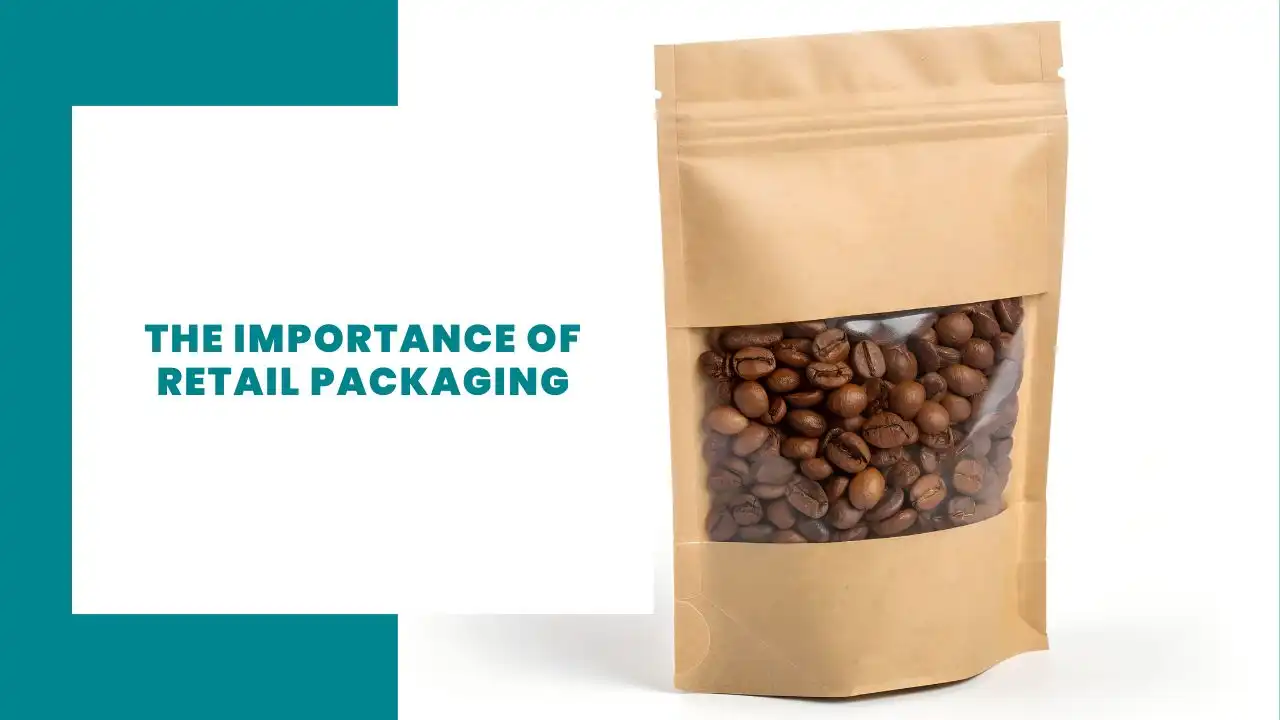
Retail packaging is becoming increasingly important in a crowded retail environment where brands compete for attention, trust, and loyalty. Packaging isn’t just about looks; it is an integral part of the retail strategy and affects how products reach customers in perfect condition. Through well-designed packaging, brands can communicate value, enhance the customer experience, and differentiate products apart from the competition. In modern retail, packaging plays a key role in how shoppers perceive quality, safety, and sustainability.
— 1. Understanding the Role of Packaging in Retail
Retail packaging serves far more purposes than simply holding the product inside. It is meant to protect the product from damage, share vital information about the product, and present the brand in the best possible way.
Effective retail packaging offers clarity, durability, and an appealing presentation that helps shoppers feel confident in their purchase decision. The role of packaging is particularly important when choosing between similar products on the shelf. Because packaging is designed to influence emotions and behavior, it becomes a powerful marketing tool in the competitive retail landscape.
Packaging must do more than look attractive. It needs to convey essential information about the product, support the retail process, and fit neatly into the retail environment. Whether it is placed on a product stand or hung on hooks, packaging also provides structural support and ensures the product from damage throughout retail operations.
— 2. Packaging as a Driver of Sales and Brand Perception
Retail packaging plays a key role in shaping brand perception. Good packaging can influence purchasing decisions by communicating quality, trustworthiness, and value. Attractive packaging encourages customers to pick up a product, while enhanced brand colors, typography, and materials combine to shape how customers feel about the company behind the product.
Packaging can make the difference between a sale and a missed opportunity. Packaging works by helping the product stand out visually, especially in a crowded retail setting. Packaging also acts as a marketing tool, drawing attention to the product inside and showing how it solves a customer’s need. When packaging aligns with the brand identity, it builds recognition and consistency across all packaging options.
Retail-ready packaging is designed for instant display in a retail space, helping retailers streamline operations and reduce labor. Such packaging isn’t just functional—it also strengthens brand presence and helps drive sales in competitive retail environments.
— 3. Packaging as Protection and Communication
The primary purpose of packaging is to protect the product. Packaging is important for ensuring products reach customers in perfect condition. This is especially crucial for food products, electronics, fragile goods, and items that require specific packaging materials for safety.
Packaging offers clear communication by sharing critical details such as instructions, benefits, and information about the product. Effective packaging often serves as a mini-advertisement, educating the customer even before the product is opened. Consumers increasingly expect packaging to provide essential details quickly, especially in fast-paced retail settings.
Right retail packaging should align with the product’s needs and the retail environment. Retail product packaging must also consider the type of packaging required for shipping, stocking, and customer handling. When packaging needs are addressed properly, packaging serves both the brand and the customer effectively.
— 4. Sustainability and Eco-Friendly Packaging Solutions
Sustainability has become a priority across industries, and retail packaging is no exception. Sustainable packaging and eco-friendly materials are becoming increasingly important as customers look for brands that minimize waste and reduce environmental impact.
Eco-friendly packaging materials support environmental responsibility while maintaining strength and quality. Reusable packaging and sustainable retail packaging solutions allow brands to reduce waste and using eco-friendly materials without sacrificing functionality.
Eco-friendly packaging appeals to consumers who are willing to pay more for products that support ethical and environmental values. Packaging also shapes perceptions about a company’s commitment to sustainability. For brands that offer food products or goods that demand high safety standards, sustainable packaging solutions still ensure the packaging is to protect and maintain freshness and safety.
As packaging technology evolves, brands have more packaging options than ever—biodegradable films, recycled materials, and innovative reusable designs. These packaging solutions are a major part of a modern packaging strategy that aligns with consumer values and enhances brand trust.
— 5. Types of Retail Packaging and Choosing the Right Packaging
The types of retail packaging available today range from simple cardboard boxes to intricate specialty designs. A well-thought-out packaging strategy considers product fragility, retail environment, customer expectations, and sustainability goals.
Choosing packaging requires understanding how packaging is designed and how packaging aligns with brand identity. Packaging also depends on retail operations, including shelf placement, shipping conditions, and presentation requirements. Retail packaging solutions should address both form and function while staying mindful of long-term sustainability.
Good packaging often shapes how the product is perceived even before the customer interacts with the product inside. Unique packaging helps products stand apart from the competition, while effective packaging ensures customers feel informed and confident. The right packaging can make retail-ready displays more efficient and visually appealing.
Packaging has become a critical component of the retail process. Whether for similar products competing side-by-side or for premium items demanding great packaging design, packaging makes an undeniable impact on retail success.
FAQs About Topic
1. Why is retail packaging so important?
Retail packaging is important because it protects the product, communicates essential information, and influences buying behavior. It also supports branding, sustainability goals, and overall retail strategy.
2. How can packaging influence customer decisions?
Packaging can influence customers through visual appeal, quality cues, and clear communication. Attractive and well-designed packaging encourages customers to pick up and purchase the product.
3. What role does sustainability play in packaging today?
Sustainability is becoming increasingly important, and many brands now use eco-friendly packaging materials, reusable designs, and sustainable packaging to reduce waste and connect with environmentally conscious shoppers.
4. How do I choose the right type of packaging for my product?
Choosing packaging depends on product needs, retail environment, brand identity, sustainability goals, and packaging materials. Effective packaging aligns with both product protection and presentation.
5. Does retail-ready packaging help retailers?
Yes. Retail-ready packaging simplifies stocking, reduces handling time, enhances visibility, and supports better retail operations, making it easier for products to stand out and drive sales.
Conclusion
Packaging plays a key role in how products perform in the competitive retail landscape. As a critical component of the retail environment, packaging shapes customer experiences, boosts brand perception, and ensures the product from damage as it moves through the retail process. Packaging combines protection, communication, and presentation, making it an essential element of any retail strategy. With the rise of sustainable packaging and eco-friendly options, packaging has become a priority for brands seeking long-term success, stronger customer loyalty, and responsible sourcing. Effective retail packaging not only enhances the product inside but also influences customer decisions, making packaging an integral part of modern retail.