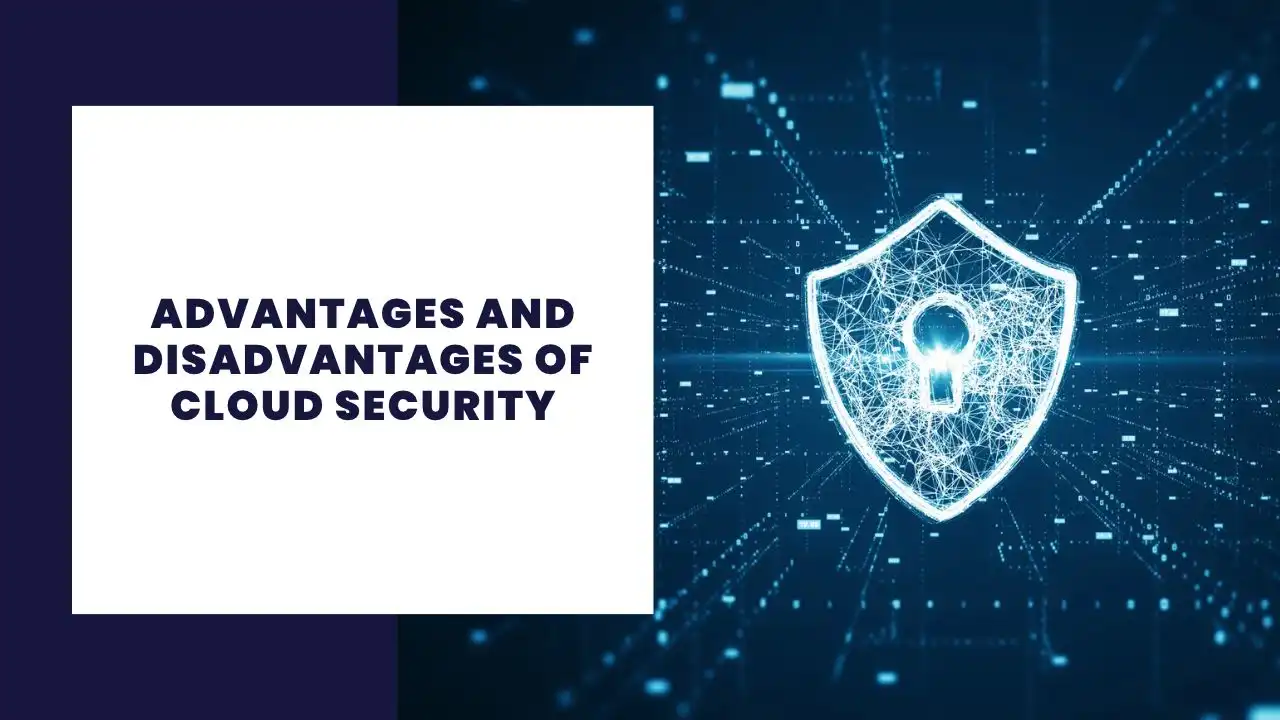
Cloud security has become a critical component of modern IT infrastructure. As organizations increasingly migrate their data and applications to cloud platforms, understanding the benefits and potential risks associated with cloud security is essential. While cloud security offers numerous advantages that can enhance operational efficiency and data protection, it also presents certain challenges that organizations must carefully consider. This comprehensive overview aims to shed light on the key advantages and disadvantages of cloud security, helping decision-makers make informed choices about their cybersecurity strategies.
What is Cloud Security
Cloud security refers to the set of policies, technologies, and controls designed to protect data, applications, and infrastructure associated with cloud computing. It encompasses a broad spectrum of security measures, including data encryption, identity management, access controls, and threat detection, all aimed at safeguarding cloud-based resources from cyber threats, unauthorized access, and data breaches. As businesses increasingly adopt cloud solutions, implementing robust cloud security measures becomes paramount to ensure confidentiality, integrity, and availability of critical information.
Advantages of Cloud Security
1. Enhanced Data Protection
One of the primary benefits of cloud security is the enhanced protection of sensitive data. Cloud providers often implement advanced security measures such as encryption, intrusion detection systems, and regular security audits. These measures help organizations mitigate risks associated with data breaches and unauthorized access. Additionally, cloud platforms often have dedicated security teams that monitor and respond to threats in real time, providing a higher level of protection than many organizations could achieve independently.
2. Scalability and Flexibility
Cloud security solutions are inherently scalable, allowing organizations to adjust their security measures according to their needs. As businesses grow or experience fluctuating demand, their security infrastructure can easily expand or contract without the need for substantial hardware investments. This flexibility ensures that security remains robust regardless of the size or complexity of the organization, making it easier to adapt to evolving threats and compliance requirements.
3. Cost Efficiency
Implementing comprehensive security measures in-house can be costly and resource-intensive. Cloud security shifts much of this burden to the cloud provider, reducing the need for organizations to invest heavily in security hardware, software, and personnel. Subscription-based security services also allow businesses to pay only for what they use, making cloud security a cost-effective option for both small and large enterprises.
4. Continuous Monitoring and Updates
Cloud providers typically offer continuous monitoring of their security environments, ensuring that vulnerabilities are identified and addressed promptly. They also regularly update their security protocols to defend against emerging threats. This proactive approach reduces the window of opportunity for cybercriminals and ensures that security measures are always current, providing organizations with a more resilient security posture.
5. Simplified Compliance
Many industries are subject to strict regulatory requirements regarding data security and privacy. Cloud security providers often assist organizations in meeting these compliance standards by offering audit logs, data encryption, and compliance certifications. This simplification streamlines the process of adhering to legal and industry-specific regulations, reducing the risk of penalties and reputational damage.
6. Improved Collaboration
Cloud security facilitates better collaboration among employees, partners, and clients by providing secure access to shared resources from any location. With robust security protocols in place, users can work remotely or across different regions without compromising data integrity or confidentiality. This ease of access enhances productivity and supports modern, flexible work environments.
7. Disaster Recovery and Business Continuity
Cloud security solutions often include disaster recovery and backup services that ensure data can be restored quickly after an incident. This capability minimizes downtime and maintains business continuity in the face of cyberattacks, natural disasters, or system failures. Cloud providers typically distribute data across multiple locations, adding an extra layer of resilience.
8. Reduced Security Management Burden
By outsourcing security to cloud providers, organizations can reduce their internal security management workload. This allows IT teams to focus on strategic initiatives rather than day-to-day security maintenance. Cloud providers handle routine tasks such as patching, monitoring, and threat detection, streamlining security operations.
9. Better Incident Response
Cloud security solutions often come with sophisticated incident response tools that enable rapid detection and mitigation of security breaches. Automated alerts and real-time analytics allow security teams to react swiftly, reducing potential damage and expediting recovery processes.
10. Access to Advanced Security Technologies
Cloud providers invest heavily in developing cutting-edge security technologies, such as artificial intelligence and machine learning-based threat detection. Organizations leveraging cloud security benefit from these innovations without the need for significant internal investment, gaining access to tools that can identify and neutralize threats more effectively.
11. Centralized Security Management
Managing security across multiple on-premises systems can be complex and fragmented. Cloud security offers centralized management consoles that provide a unified view of security status, policies, and alerts. This integration simplifies oversight and enhances the ability to enforce consistent security policies across all cloud and hybrid environments.
12. Enhanced User Authentication
Many cloud security solutions incorporate multi-factor authentication (MFA), single sign-on (SSO), and biometric verification, strengthening user authentication processes. These measures reduce the risk of unauthorized access resulting from compromised credentials, thereby safeguarding sensitive information.
13. Support for Remote Workforces
The rise of remote work has increased the need for secure access to corporate resources from various locations and devices. Cloud security solutions facilitate this by providing secure VPNs, identity management, and endpoint security, ensuring that remote employees can work safely without exposing the organization to additional risks.
14. Environmental Sustainability
Cloud providers often operate data centers with energy-efficient designs and renewable energy sources. By leveraging cloud security, organizations indirectly support environmental sustainability efforts, reducing their carbon footprint associated with maintaining on-premises security infrastructure.
Disadvantages of Cloud Security
1. Dependency on Cloud Providers
One of the most significant drawbacks is the reliance on third-party providers for security. Organizations entrust sensitive data and security controls to external entities, which can pose risks if the provider experiences outages, security breaches, or fails to meet contractual obligations. This dependency underscores the importance of choosing reputable and compliant providers.
2. Potential Data Privacy Concerns
Storing data in the cloud raises privacy issues, especially when dealing with sensitive or regulated information. Organizations must ensure that their cloud provider complies with relevant data protection laws and that data is encrypted both at rest and in transit. Mismanagement or breaches can lead to privacy violations and legal consequences.
3. Limited Control and Customization
While cloud security solutions offer scalability and ease of management, they may lack the customization options available with on-premises systems. Organizations with unique security requirements might find cloud solutions restrictive, limiting their ability to tailor security policies to specific needs.
4. Risks of Data Breaches
Despite robust security measures, cloud environments are not immune to cyberattacks. Data breaches can occur due to vulnerabilities in the provider’s infrastructure, misconfigurations, or insider threats. Such incidents can lead to significant financial and reputational damage.
5. Compliance Challenges
Ensuring compliance with industry regulations can be complex when using cloud services. Data residency, cross-border data transfer restrictions, and audit requirements may not always be fully addressed by cloud providers, necessitating additional oversight and controls by the organization.
6. Cost Uncertainty
While cloud security can be cost-effective, unpredictable usage patterns may lead to unexpected expenses. Overprovisioning or underestimating security needs can result in either wasted resources or insufficient protection, requiring careful planning and management.
7. Latency and Performance Issues
Security measures such as encryption and real-time monitoring can introduce latency, potentially affecting application performance. Organizations need to balance security requirements with operational efficiency, especially for latency-sensitive applications.
8. Challenges in Incident Response
While cloud providers offer incident response tools, coordinating effective responses can be complicated by shared responsibilities, jurisdictional issues, and the complexity of cloud environments. Organizations must establish clear protocols to ensure prompt and effective action.
9. Data Transfer and Bandwidth Costs
Transferring large volumes of data to and from the cloud can incur significant bandwidth costs. Additionally, data egress fees charged by providers can add to overall expenses, especially for organizations with high data transfer requirements.
10. Limited Visibility and Control
Despite centralized management tools, organizations may have limited visibility into the underlying infrastructure and security processes of their cloud provider. This lack of transparency can hinder comprehensive security monitoring and incident investigation.
11. Potential for Vendor Lock-In
Migrating to a specific cloud provider can create dependencies that make future transitions difficult and costly. Vendor lock-in can limit flexibility and negotiating power, potentially impacting long-term security strategies.
12. Complexity of Multi-Cloud Environments
Managing security across multiple cloud platforms introduces complexity, requiring additional tools and expertise. Ensuring consistent security policies and compliance across diverse environments can be challenging and resource-intensive.
13. Risk of Insider Threats
Cloud providers employ their own staff, and insider threats within the provider’s organization can pose risks. Organizations must evaluate the provider’s background checks, access controls, and security policies to mitigate this threat.
14. Data Loss Risks
Despite security measures, accidental deletion, hardware failures, or insufficient backups can result in data loss. Organizations must implement robust backup and recovery plans to protect against such incidents.
Comparison Table of the Pros and Cons of Cloud Security
| Advantages | Disadvantages |
|---|---|
| Enhanced Data Protection | Dependency on Cloud Providers |
| Scalability and Flexibility | Potential Data Privacy Concerns |
| Cost Efficiency | Limited Control and Customization |
| Continuous Monitoring and Updates | Risks of Data Breaches |
| Simplified Compliance | Compliance Challenges |
| Improved Collaboration | Cost Uncertainty |
| Disaster Recovery and Business Continuity | Latency and Performance Issues |
| Reduced Security Management Burden | Challenges in Incident Response |
| Better Incident Response | Data Transfer and Bandwidth Costs |
| Access to Advanced Security Technologies | Limited Visibility and Control |
| Centralized Security Management | Potential for Vendor Lock-In |