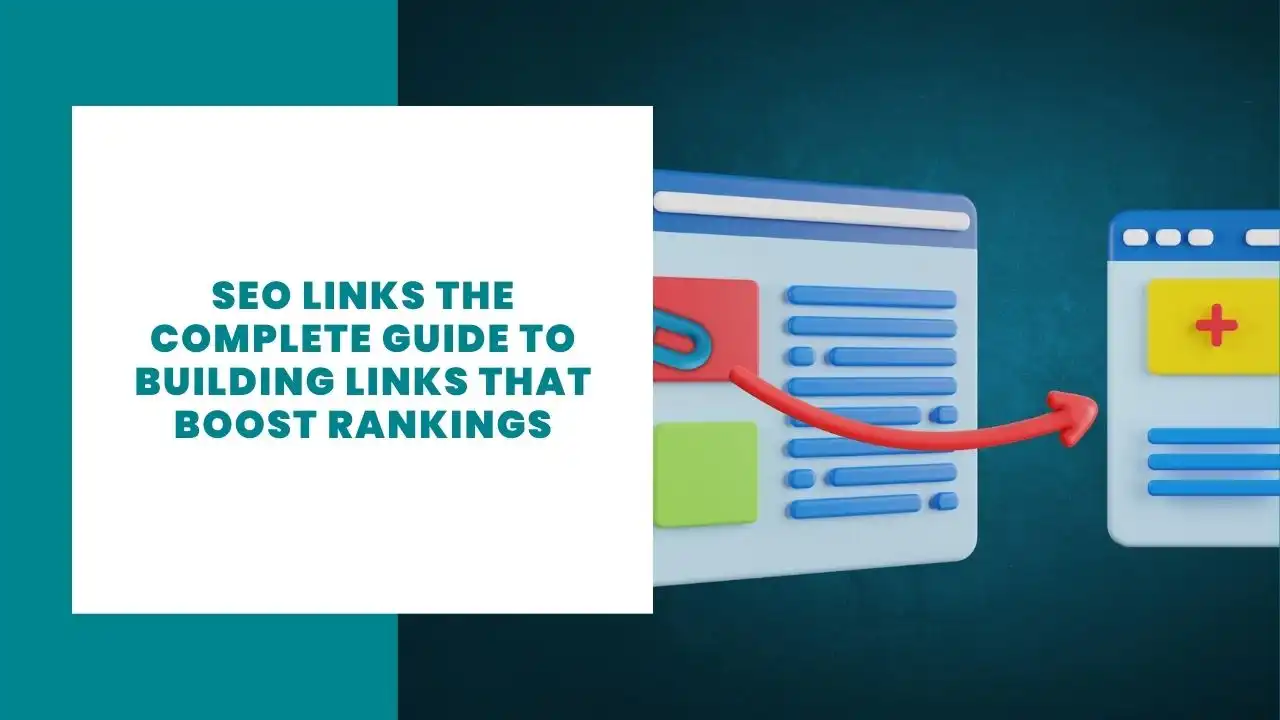
SEO links are one of the most important signals used by search engines to evaluate relevance, authority, and trust. When links come from reputable sites and are placed thoughtfully, they help search engines understand your content and improve visibility in search results. For website owners, mastering links is crucial for SEO and user experience alike.
This guide explains how links work, why links matter, and how to build a healthy link profile using best practices. From internal linking for SEO to external link building, each section breaks down what you need to know to boost your SEO with confidence.
1. What SEO Links Are and Why Links Matter
A link is a hyperlink that connects one page to another. In SEO, links act as signals to Google and other search engines about the value and relevance of a page. When many links point to a page, search engines may interpret that as a sign of quality—especially when those links come from authoritative sites.
Links help search engines crawl the web, discover pages, and understand relationships between content. They also pass link equity, which can influence rankings in search engine results. Because links matter so much, they are essential for SEO strategy and long-term growth.
2. Types of SEO Links You Need to Know
Internal Links and Internal Linking for SEO
Internal links are hyperlinks that connect pages within the same website. Internal links connect content, distribute link equity, and help Google understand the structure of your site.
Internal links pointing to important pages signal priority and relevance. Internal linking helps users and Google navigate your site, improving both on-page SEO and user experience. Adding internal links thoughtfully can boost your SEO without external outreach.
External Links, Inbound Links, and Outbound Links
External links are links between different websites. Inbound links, also known as links pointing to your site, are especially valuable. When another site includes a link back to your site, it can pass link equity and improve rankings.
Outbound links are links from your site to other websites. Linking to reputable sites can help users and Google understand your content contextually and demonstrate credibility.
Follow Links, Nofollow Links, and Link Attributes
A follow link allows search engines to follow the link and pass link equity. A nofollow link includes an attribute that tells search engines not to pass ranking value.
Both link types matter. While dofollow links are more impactful for ranking, nofollow links can still bring traffic and support a natural link profile. Knowing which links to pursue helps build a healthy link profile.
3. How Anchor Text and Context Affect SEO
Anchor text is the clickable text of a link. It gives search engines context about what the linked page is about. Relevant anchor text helps Google understand the topic and intent of the page being linked.
Using descriptive, natural anchor text is a best practice. Avoid stuffing keywords or repeating the same phrase across many links. A balanced approach supports SEO and avoids spammy link building signals.
4. Link Building in SEO and How to Earn Quality Links
Link building in SEO focuses on acquiring quality links from other sites. The goal is not the number of links, but the value of each link from authoritative and reputable sources.
Editorial Links and Earned Links
Editorial links are earned naturally when other websites reference and link to your content. These links often come from authoritative sites and are considered high-quality links by search engines like Google.
Creating valuable resources, original research, and helpful guides is a proven way to earn links over time. This is the most sustainable way to build links and boost your SEO.
Link Building Outreach and Relationship Building
Link building outreach involves contacting website owners and editors to suggest relevant content or collaboration. Building relationships increases the likelihood that someone will want to link to your content.
Effective outreach focuses on relevance and value. Trying to build links without context often fails and can harm your link profile.
Broken Link Building and Link Opportunities
Finding broken links on other sites creates link building opportunities. When you identify a broken link and offer a relevant replacement, you provide value while earning a link back to your site.
This approach helps site owners fix issues and helps you get a link from an authoritative page.
5. Links to Avoid and Common SEO Mistakes
Spammy link building tactics can harm your SEO. Paid links, link farms, and automated site linking schemes violate search engine guidelines. Google may devalue or penalize sites involved in these practices.
Knowing which links to avoid is just as important as knowing how to build links. A healthy link profile includes diverse links from reputable sites and avoids unnatural patterns.
6. Measuring Link Performance and SEO Impact
Tools like Google Search Console help website owners analyze links pointing to their site. You can see which pages earn links, identify broken links, and monitor changes over time.
Links can help drive referral traffic and improve rankings, but they should be measured as part of a broader SEO strategy. Evaluating link quality, relevance, and impact on search results ensures your link building efforts support long-term SEO success.
FAQs About SEO Links
What are SEO links?
SEO links are hyperlinks that help search engines understand content, discover pages, and evaluate authority for ranking purposes.
Are internal links important for SEO?
Yes, internal links are essential for SEO. They help distribute link equity, improve crawlability, and enhance user experience.
What makes a high-quality link?
A high-quality link comes from an authoritative, relevant, and reputable site. Context, anchor text, and placement all matter.
Do nofollow links help SEO?
Nofollow links do not pass link equity, but they can still bring traffic and support a natural link profile.
How many links do I need to rank?
There is no fixed number of links required to rank. Quality, relevance, and competition matter more than the number of links.
Conclusion of SEO Links
SEO links are crucial for SEO because they help search engines understand, rank, and trust your content. From internal links that connect pages to external links from authoritative sites, links play a central role in search engine optimization.
By focusing on quality links, ethical link building strategies, and a healthy link profile, website owners can boost their SEO and improve search engine results over time. When links are built with users and Google in mind, they become a powerful driver of long-term SEO success.