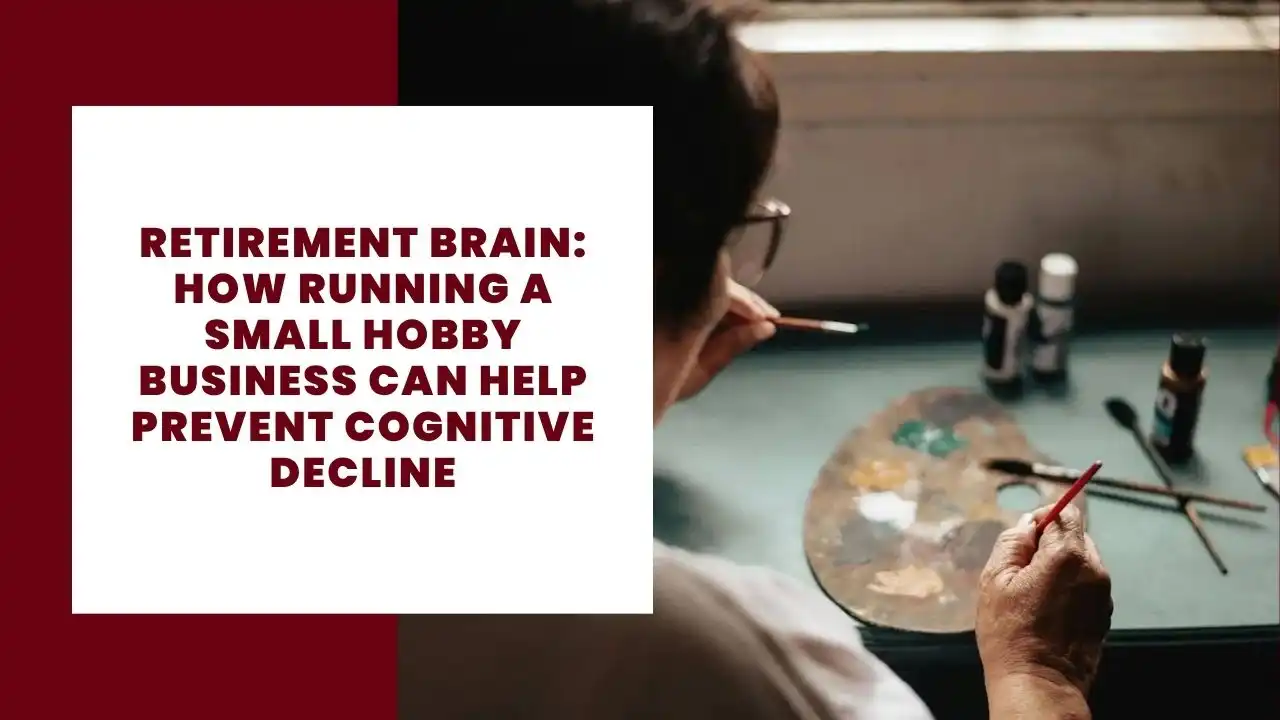
Retirement creates space in the daily schedule that many people spend decades anticipating. When professional demands fall away, there is finally time to slow down, reflect, and enjoy personal interests. Yet this shift can also bring an unexpected challenge. Without the mental stimulation that work once provided, the brain may receive fewer daily workouts. For many retirees, the question becomes how to stay mentally engaged while still enjoying freedom and flexibility.
One increasingly meaningful solution is running a small hobby business. Whether it involves crafting, teaching, consulting, or selling handmade goods, a hobby business offers structure, challenge, and purpose without the pressure of a full career. These benefits can play an important role in maintaining cognitive health and supporting mental sharpness well into retirement.
Understanding Cognitive Changes After Retirement
Cognitive decline does not occur suddenly, nor is it inevitable. However, changes in routine can affect how frequently the brain is challenged. During working years, individuals regularly solve problems, make decisions, and adapt to new information. Retirement can reduce exposure to these mental tasks if days become repetitive or unstructured.
The brain thrives on novelty and complexity. When stimulation decreases, certain cognitive skills such as memory, attention, and processing speed may gradually weaken. Staying mentally active after retirement helps counter this pattern by continuing to engage the brain in meaningful ways. A hobby business naturally provides a wide range of mental exercises that mirror many of the cognitive demands of a former career.
Mental Stimulation Through Entrepreneurial Thinking
Running a hobby business involves far more than the activity itself. Even on a small scale, it requires planning, organization, and decision making. Retirees must think about pricing, scheduling, marketing, inventory, or client communication. Each of these tasks activates different areas of the brain.
Problem solving becomes a regular part of the routine. When a project does not go as planned or customer preferences change, adaptability is required. This kind of flexible thinking supports executive function and cognitive resilience. The brain continues to practice evaluating options and adjusting strategies, which can help slow age related cognitive changes.
Creative hobbies such as art, woodworking, or writing add another layer of stimulation. Creativity challenges the brain to form new connections and explore ideas in novel ways. Combining creativity with business thinking creates a powerful mental workout.
Purpose, Motivation, and Emotional Health
Cognitive health is closely linked to emotional wellbeing. A sense of purpose supports motivation and engagement, both of which influence how actively the brain functions. In retirement, some individuals struggle with feeling less needed or less productive after leaving their careers behind.
A hobby business offers a renewed sense of contribution. Producing something of value for others reinforces self worth and identity. This emotional engagement can reduce stress and support mental clarity. When people feel invested in a project, they are more likely to stay mentally present and motivated.
Social interaction often accompanies hobby businesses as well. Communicating with customers, collaborating with others, or participating in markets and events adds another protective factor against cognitive decline. Social engagement stimulates language skills, memory, and emotional processing.
Daily Structure Without Burnout
One of the benefits of a hobby business is flexibility. Unlike traditional employment, retirees can set their own pace. This allows for cognitive stimulation without burnout. The ability to choose when and how long to work respects changing energy levels while still preserving structure.
Structure is important for brain health. Days that follow a loose routine help prevent mental stagnation. Planning tasks, setting goals, and tracking progress keep the brain engaged. Even a few hours a week devoted to a hobby business can provide enough stimulation to make a difference.
In environments where retirees live among peers who value active lifestyles, such as Rittenhouse Village Pittsford, it is not uncommon to see residents sharing creative projects or exchanging ideas that support personal endeavors, further reinforcing daily cognitive engagement without obligation.
Learning New Skills at Any Age
A hobby business frequently requires learning new skills. Retirees may explore digital tools, online platforms, accounting basics, or marketing concepts that were not part of their previous careers. Learning new information challenges the brain and promotes neuroplasticity.
This process of continuous learning strengthens memory and attention. It also encourages confidence, showing that growth remains possible at every stage of life. Learning for a self directed purpose can be especially effective because motivation is internal rather than imposed.
When challenges feel meaningful rather than forced, individuals are more likely to persist. A hobby business offers real world context for learning, which can improve retention and understanding compared to abstract exercises.
Balancing Cognitive Effort With Enjoyment
The ideal mental activity in retirement is one that balances challenge with enjoyment. A hobby business works well because it grows from genuine interest. Engagement feels natural rather than like an obligation.
This balance matters for sustainability. Activities that feel burdensome are often abandoned, while those rooted in enjoyment are more likely to become lasting habits. Consistent cognitive engagement over time is more beneficial than short bursts of intense activity.
Retirees can also adjust involvement as needed. A business can expand or contract, pause or pivot. This flexibility helps maintain long term participation without pressure.
Small Scale Efforts With Big Cognitive Impact
Preventing cognitive decline does not require large scale ventures or financial risk. Many successful hobby businesses remain intentionally small. The goal is not profit maximization but mental engagement and personal satisfaction.
Even modest efforts can have a meaningful cognitive impact. Tracking orders, managing supplies, or communicating with customers activates memory, organization, and attention. These everyday tasks build cognitive endurance over time.
The cumulative effect of these activities reinforces brain health in a practical and enjoyable way.
Conclusion
Retirement offers the freedom to reshape daily life, but that freedom benefits greatly from purposeful engagement. Running a small hobby business provides retirees with mental stimulation, emotional fulfillment, and social interaction that support cognitive health. Through problem solving, creativity, and learning, the brain remains active and adaptable.
Preventing cognitive decline is not about clinging to past roles but about finding new ways to stay engaged. A hobby business offers structure without rigidity and challenge without stress. For many retirees, it becomes a rewarding path toward maintaining sharpness, confidence, and joy throughout the retirement years.