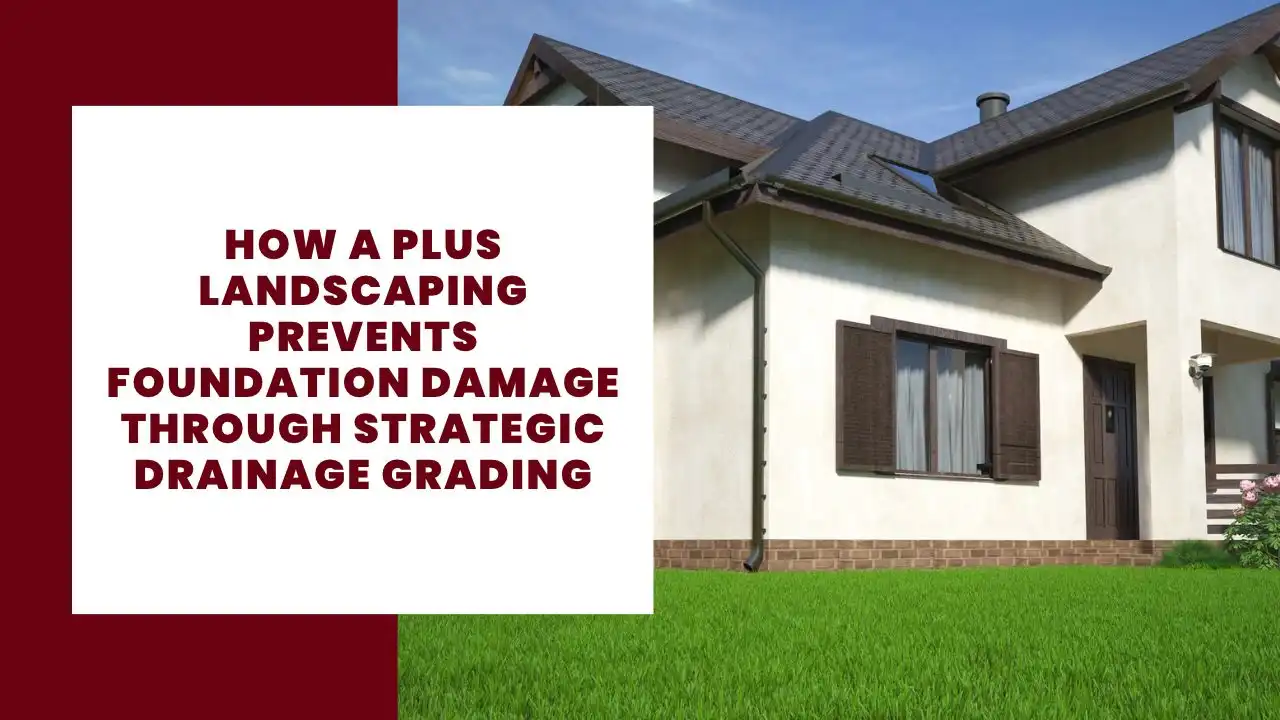
After a heavy rain, you might notice puddles gathering near your home’s exterior walls or water trickling down your basement walls. These signs often point to improper yard drainage—a situation that can quietly threaten the integrity of your house’s foundation. When excess water pools too close to the structure, it seeps into the soil, creating pressure and potential cracks in the foundation. Addressing this problem requires more than just patching up visible damage; it demands a well-considered landscape grading plan that moves water safely away from where it can cause harm. Strategic drainage grading, performed by experienced landscaping professionals, is a targeted approach that can prevent these costly and disruptive issues before they start.
Recognizing Common Foundation Threats Caused by Poor Yard Drainage
One of the first warning signs of poor yard drainage is water collecting around the base of your home, especially after rainfall or snowmelt. When soil stays saturated, it expands and contracts, putting stress on the concrete or block foundation. This cycle can lead to visible cracks or, in severe cases, cause sections of the foundation to shift. Another frequent issue is the formation of mold and mildew inside basements or crawl spaces—both linked to excess moisture from outside infiltration.
Roots from nearby trees and shrubs can also play a role, seeking out sources of water and exacerbating foundation cracks as they grow. Homeowners sometimes overlook the way their landscaping channels water, but ignoring these patterns can accelerate long-term structural problems. Addressing these problems starts with understanding how improper drainage leads to foundation water damage and knowing the early warning signs that should prompt expert evaluation.
Proactive measures, such as monitoring for damp spots and ensuring gutters and downspouts are working correctly, can help. However, a lasting solution often requires modifying the landscape itself to ensure water moves away from vulnerable areas.
How A Plus Landscaping Evaluates Site Slopes and Water Flow
Before any corrective work begins, a site evaluation determines how water travels across your property. This process starts with measuring the slope—or grade—around the foundation. The recommended standard is a minimum slope of six inches over the first ten feet away from the house, directing water to flow outward. Professionals assess whether your landscape meets this grading requirement and identify low spots where water collects.
During an assessment, specialists use tools such as laser levels or digital measuring devices to map out uneven areas. They consider existing hardscapes like patios and walkways, which can influence water movement, as well as the soil type, since clay and sandy soils react differently to moisture. These factors help determine the best intervention to protect your foundation.
By consulting A Plus Landscaping for this evaluation, property owners benefit from the expertise of a team that regularly manages grading for both drainage and plant health. This provider’s approach ensures that every aspect of the terrain is considered when designing a plan to keep water away from the home’s foundation.
Implementing Effective Grading Techniques to Divert Water Away
Once a landscape’s problem areas are identified, effective grading techniques are put in place to direct water away from the foundation. The most common method involves creating a gentle slope in the soil, starting at the house and extending outward. This simple adjustment can make a dramatic difference in where water settles after a storm.
In situations where natural grading isn’t enough, professionals may install swales—shallow, grass-lined ditches that channel water toward safe drainage zones. Another solution is the use of French drains, which are gravel-filled trenches containing perforated pipes to collect and move water further from the house. These systems are often integrated into broader foundation drainage grading landscaping services that address both surface and subsurface moisture.
Choosing the right technique depends on soil permeability, property layout, and the presence of existing landscaping features. Each adjustment, whether by reshaping the yard or adding drainage structures, is carefully calculated to prevent water from pooling near the foundation.
Long Term Structural Protection Through Professional Yard Drainage Solutions
Foundation protection extends beyond initial grading. Ongoing monitoring and maintenance ensure that landscaping changes continue to work as intended after heavy use and changing weather. That means checking for soil settlement, clearing debris from swales or drains, and making seasonal adjustments to the landscape as plantings mature.
Professional yard drainage solutions go further by integrating sustainable features, such as rain gardens or permeable paving, to manage runoff in an environmentally sound way. These additions not only address current water flow problems but also help prevent future issues by absorbing or redirecting excess water across the property.
For homeowners seeking lasting results, relying on specialized landscaping services brings peace of mind that every aspect of grading and drainage has been addressed with both structural integrity and curb appeal in mind. Regular evaluations and updates keep the property safe from the most common threats associated with excess moisture and foundation damage.
Conclusion
For any homeowner concerned about water near their foundation, scheduling a professional assessment is the most effective next step. A tailored grading and drainage plan not only safeguards your home’s structure but also supports the overall health and value of your landscape for years to come.