

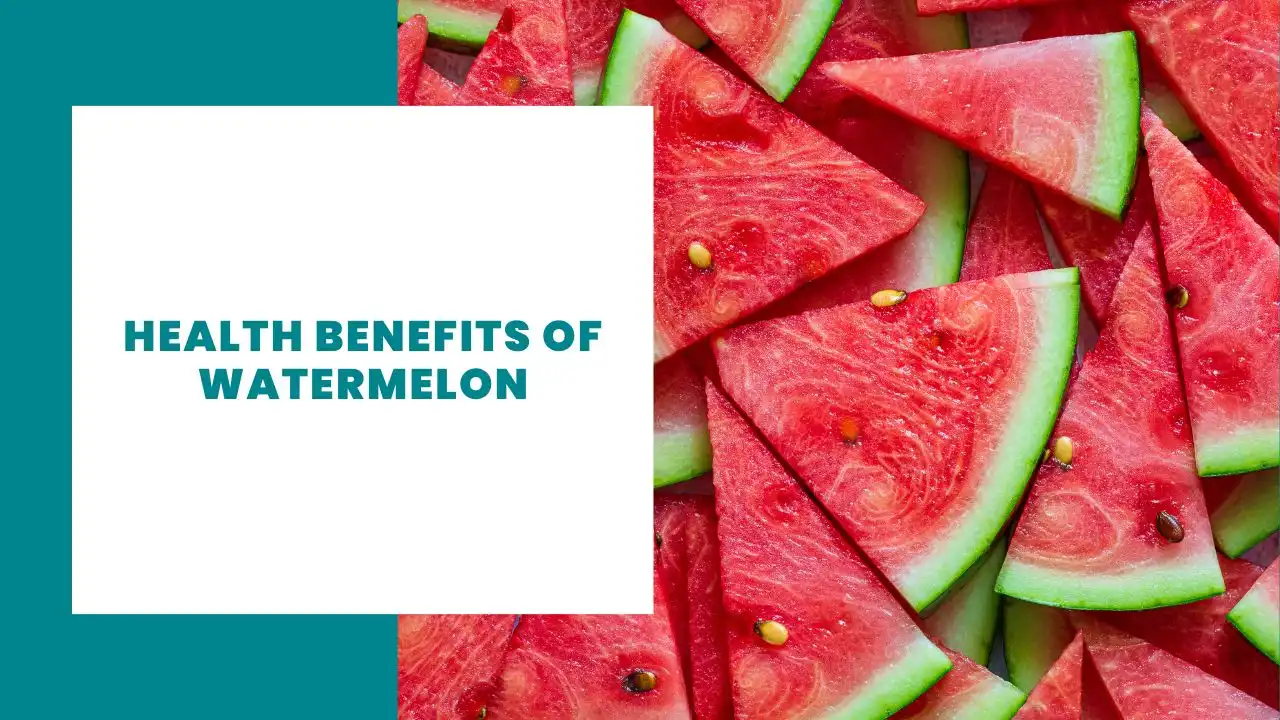
11 Health benefits of Watermelon
Watermelon is a delicious and refreshing fruit that is packed with numerous health benefits. Its juicy flesh is not only hydrating but also rich in essential nutrients that promote overall well-being.
Whether you eat watermelon on its own, sip on watermelon juice, or incorporate it into various dishes, you can enjoy the many advantages it offers to your health.
Written by
- Redaction Team
- Body, Healing Foods, Personal Development
Table of Contents
Health benefits of watermelon
Hydration: Watermelon is composed of over 90% water, making it an excellent choice for staying hydrated, especially during hot weather or after physical activity.
Rich in vitamins and minerals: Watermelon is a good source of vitamins and minerals, including vitamin C, vitamin A, vitamin B6, and potassium. These nutrients are essential for overall health and can support various bodily functions.
Antioxidant properties: Watermelon contains antioxidants like lycopene and beta-carotene, which can help protect cells from damage caused by free radicals. Lycopene, in particular, is associated with a reduced risk of certain cancers and heart disease.
Heart health: The presence of lycopene, potassium, and other heart-healthy compounds in watermelon may help reduce the risk of heart disease by supporting healthy blood pressure and cholesterol levels.
Skin health: The vitamins A and C in watermelon are beneficial for skin health. Vitamin C is crucial for collagen production, while vitamin A helps maintain healthy skin cells.
Eye health: Watermelon contains beta-carotene, which can be converted into vitamin A in the body. Vitamin A is essential for good vision and may help protect against age-related eye conditions.
Weight management: Watermelon is relatively low in calories and fat while providing a feeling of fullness due to its high water and fiber content. It can be a satisfying and healthy snack for those looking to manage their weight.
Muscle recovery: Watermelon contains citrulline, an amino acid that may help reduce muscle soreness and aid in post-exercise recovery.
Digestive health: The fiber in watermelon can promote healthy digestion and regular bowel movements, reducing the risk of constipation.
Anti-inflammatory effects: Some studies suggest that watermelon’s components, such as lycopene and cucurbitacin E, may have anti-inflammatory properties and potentially help reduce inflammation-related conditions.
Alleviating muscle cramps: Watermelon is a natural source of both potassium and magnesium, which can help prevent and alleviate muscle cramps.
Lycopene: A Powerful Antioxidant
One of the most notable health benefits of watermelon is its high lycopene content. Lycopene is a potent antioxidant that gives watermelon its vibrant red color. Antioxidants help protect the body from harmful free radicals that can damage cells and contribute to chronic diseases, including heart disease and certain types of cancer. Consuming lycopene-rich foods like watermelon may help lower the risk of these diseases.
Rich in Vitamin C
Another essential nutrient found in watermelon is vitamin C. Adding watermelon to your diet is an excellent way to increase your intake of this vitamin, which plays a vital role in supporting your immune system and promoting skin health. Vitamin C is also an antioxidant that helps protect the body against damage from free radicals.
Hydration and Electrolyte Balance
Staying hydrated is crucial for overall health, and watermelon can be a tasty way to meet your hydration needs. With its high water content, watermelon provides a refreshing and hydrating experience, particularly during hot summer months. Furthermore, watermelon contains essential electrolytes, such as potassium, that help maintain fluid balance and support proper muscle and nerve function.
Heart Health and Lower Blood Pressure
The health benefits of watermelon extend to heart health as well. Studies have suggested that regular consumption of watermelon may help lower blood pressure and reduce the risk of heart disease. The presence of an amino acid called citrulline in watermelon may contribute to these effects by promoting the dilation of blood vessels, resulting in improved blood flow.
Weight Management and Blood Sugar Control
Watermelon is a filling fruit with relatively low calorie content, making it a suitable option for those watching their weight. Its high water and fiber content can help curb hunger and promote satiety. Additionally, watermelon has a low glycemic index, meaning it does not cause a rapid spike in blood sugar levels. Including watermelon in your diet may assist in weight management and maintaining stable blood sugar levels.
Promotes Digestion and Gut Health
Consuming watermelon regularly can also benefit your digestive system. The fruit contains both vitamins A and C, which are essential for proper digestion. Vitamin A helps maintain the health of your intestinal lining, while vitamin C supports the production of collagen, a protein that aids in the structure and functioning of the digestive system. The fiber content in watermelon can also promote regular bowel movements and prevent constipation.
Eye Health and Skin Health
Watermelon is not only beneficial for your internal health but also for your external appearance. Its high vitamin A content contributes to eye health by protecting against age-related macular degeneration and promoting good vision. Additionally, the antioxidants present in watermelon help combat the effects of free radicals, which can contribute to skin aging. Including watermelon in your diet can help keep your skin looking youthful and radiant.
Other Potential Health Benefits
Aside from the properties mentioned above, watermelon may offer several other health benefits. Some studies suggest that watermelon may help reduce muscle soreness and aid in post-exercise recovery due to its high citrulline content. Moreover, the nutrients found in watermelon, such as vitamins C and A, may support the immune system and protect against various diseases.
Conclusion
Watermelon is packed with nutritional benefits and offers a wide range of health advantages. Whether you enjoy it fresh, as a juice, or incorporated into different dishes, adding watermelon to your diet can help improve your overall well-being. Its high water content, antioxidant properties, and essential nutrients make it a fantastic choice for hydration, heart health, weight management, and more. So go ahead and indulge in this delicious fruit to reap its many health benefits!
More about Healing Foods


