

What is Chia Used For?
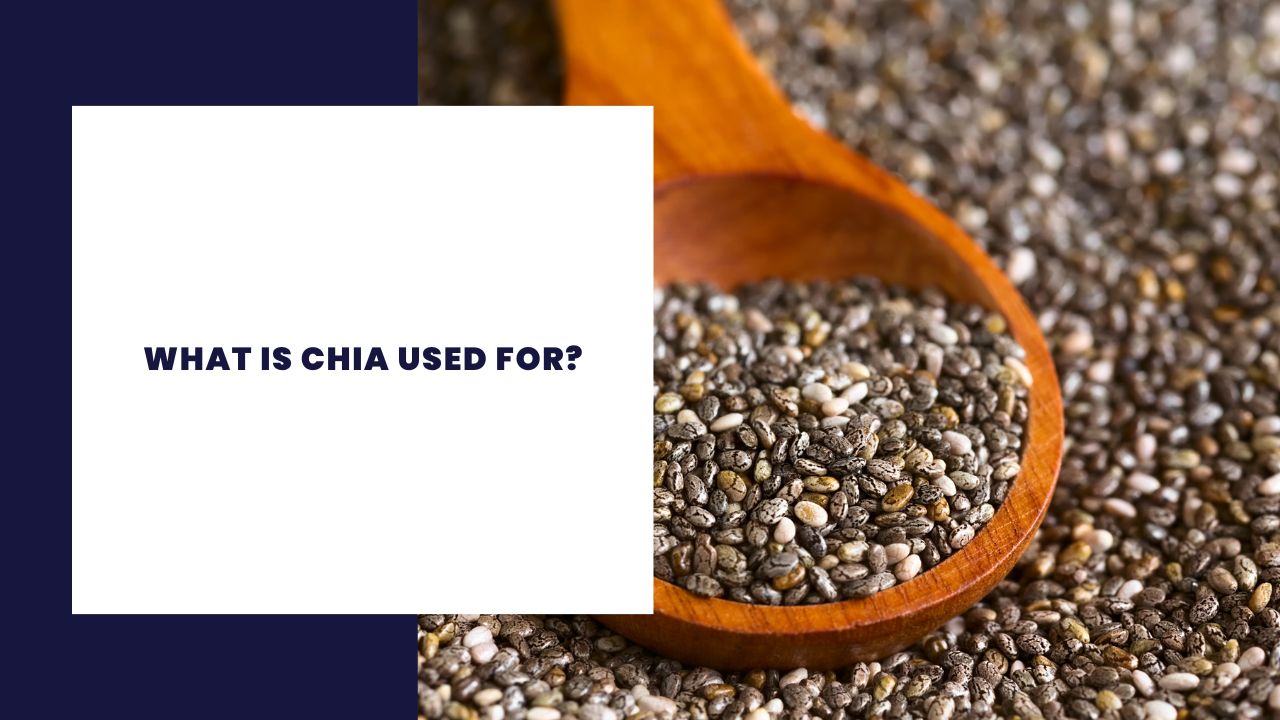
Chia seeds have surged in popularity due to their exceptional nutritional profile and versatility in the kitchen. Known scientifically as Salvia hispanica L., these tiny edible seeds come from a flowering plant in the mint family that is native to Mexico. Historically used by Aztec and Mayan civilizations for energy and endurance, chia seeds have become a modern superfood staple, renowned for their omega-3 fatty acids, fiber, and antioxidants. But what exactly are chia seeds used for today, and why should you consider adding them to your daily meals?
Written by
- Redaction Team
- Body, Healing Foods, Personal Development
Table of Contents
1. What Are Chia Seeds and Where Do They Come From?
Chia seeds are harvested from Salvia hispanica, a plant that thrives in dry climates like Mexico and parts of South America. These tiny black or white seeds have a mild, nutty flavor and are considered one of the most nutrient-dense foods available. Chia seeds contain essential nutrients such as protein, fiber, omega-3 fatty acids, calcium, iron, and magnesium.
Because chia seeds are high in omega-3 fatty acid and fiber, they are especially popular among individuals looking to improve heart health, digestion, and energy levels. Their ability to absorb water and form a gel-like consistency also makes them a unique ingredient for thickening recipes or staying hydrated during long workouts.
2. Health Benefits of Chia Seeds
Chia Seed Benefits for the Body
The health benefits of chia seeds are numerous. Thanks to their fiber and healthy fat content, chia seeds may help with regulating blood sugar, lowering cholesterol, and improving digestion. Studies have shown that chia consumption may also contribute to:
Improved heart health: Chia seeds may lower LDL cholesterol and reduce inflammation.
Better bone health: Chia seeds are rich in calcium, phosphorus, and magnesium, key minerals for strong bones.
Stabilized energy: The slow-release of carbs and fats provides steady energy throughout the day.
Healthy weight management: Seeds are high in fiber, which increases satiety and reduces overall calorie intake.
3. Nutrients in Chia Seeds
A single tablespoon of chia seeds offers a powerhouse of nutrients. Here’s a breakdown of the nutritional value of chia:
Protein: The protein in chia seeds supports muscle repair and growth.
Fiber: The fiber in chia seeds helps slow digestion and promotes gut health.
Fatty acids: Chia seeds are a rich plant-based source of omega-3 fatty acids.
Calcium: Contributes to bone health and muscle function.
Antioxidants: Combat oxidative stress and inflammation.
Many people consume chia seed daily to reap these benefits. It’s been shown that chia seeds help regulate metabolism and support overall well-being.
4. Ways to Incorporate Chia Seeds into Your Diet
Using Chia Seeds in Everyday Meals
There are countless ways to incorporate chia seeds into your meals. Thanks to their neutral taste, you can add chia seeds to nearly anything:
Sprinkle whole chia seeds on salads, yogurt, or oatmeal.
Blend ground chia seeds into smoothies or baked goods.
Use chia seeds in water to create a hydrating beverage or pudding base.
One of the most popular methods is making chia pudding—a simple combination of chia seeds with 2.5 tablespoons in a cup of milk or milk alternative. Let it sit overnight, and you’ll have a creamy, satisfying snack by morning.
5. Chia Seed Water: Hydration and Detox Support
Drink Chia Seed Water for Energy and Digestion
Chia seed water is made by soaking 1 tablespoon of chia seeds in a glass of water for 10–15 minutes. As they absorb the liquid, the chia seeds make a gel-like consistency, which slows digestion and boosts hydration. Many people drink chia seed water first thing in the morning to improve metabolism, curb appetite, and maintain energy.
This simple drink supports detoxification and helps balance fluid retention. Just be sure to soak chia seeds long enough to avoid any choking hazard from dry chia seeds.
6. How to Eat Chia Seeds Safely and Effectively
Eat Chia Seeds Whole, Ground, or Soaked
You can eat chia seeds in several forms—whole chia, ground, soaked, or as a thickener. For optimal digestion, it’s recommended to soak them or grind them before use.
If you prefer eating chia without prep, opt for blending them into smoothies or mixing them into moist foods like yogurt or applesauce. Avoid dry chia seeds on their own, as they expand and absorb liquid, which can cause discomfort if consumed without water.
7. Chia Seed Oil: A Powerful Plant-Based Extract
Use Chia Seed Oil for Skin, Hair, and Cooking
Chia seed oil is another way to use chia in your daily routine. Extracted from the seeds, this oil is rich in omega-3 fatty acids and antioxidants. It’s commonly used:
Topically for moisturizing skin and improving elasticity.
In hair treatments to reduce frizz and increase shine.
As a finishing oil for salads or dips.
The quality of chia oil depends on cold-press extraction and proper storage, so always opt for organic and store in a cool, dark place.
8. Chia Pudding: A Delicious and Nutritious Snack
Making Chia Pudding with Just a Few Ingredients
Chia pudding has become a go-to snack for health-conscious eaters. It’s made by combining chia seeds with 2.5 tablespoons in any milk base (dairy or plant-based) and letting it sit until it thickens.
Flavor variations include cocoa powder, vanilla, honey, maple syrup, berries, or nuts. The tiny seeds absorb liquid and swell, giving the pudding a texture similar to tapioca. This is one of the tastiest ways to use chia seeds daily.
9. Storing and Buying Chia Seeds
How to Store Chia Seeds for Maximum Freshness
To maintain their nutrient content, store chia seeds in a cool, dry place. An airtight container will prevent them from going rancid. While white seeds and black seeds are similar in nutrition, always check labels for salvia hispanica as the source to ensure you’re getting authentic, high-quality seeds.
Because chia seeds are also used in supplements, oils, and cosmetics, look for food-grade certifications if you plan to eat chia seeds or add chia seeds to recipes.
FAQs About Chia Seed Use
A common daily serving is 1 tablespoon of chia seeds up to 2.5 tablespoons. While many chia seeds may offer more benefits, excessive fiber intake can cause bloating or digestive discomfort.
Chia seeds have a mild and neutral flavor, making them easy to incorporate into various dishes without affecting taste.
Yes. Overeating dry chia seeds or not soaking them properly may lead to bloating or constipation due to their high fiber content. Individuals with allergies or sensitive digestion should start with a small amount of chia seeds.
Yes, bread containing chia seeds or muffins made with ground chia seeds are common. They provide moisture and a nutritional boost.
Yes, but use moderation and avoid dry chia seeds for small children to prevent choking. Start by adding chia seeds to smoothies or puddings.
Conclusion
Chia seeds are an incredibly versatile superfood that fits easily into almost any diet. Whether you’re sipping on chia seed water, enjoying chia pudding, or baking with ground chia seeds, these tiny seeds deliver massive nutritional value. With their omega-3 fatty acids, high fiber, and plant-based protein, chia seeds may help improve heart health, digestion, and energy levels.
By incorporating chia seeds into your meals regularly, you can enjoy the potential health benefits of chia while elevating your nutrition with ease. Just remember to use chia responsibly—soaked, ground, or blended—and enjoy the countless ways to incorporate chia seeds into your lifestyle.
More about Healing Foods


