

10 Health Benefits of Protein
Protein is an essential macronutrient that plays a crucial role in the proper functioning of the human body uses.
It is necessary for various bodily functions, including building and repairing tissues, making enzymes and hormones, and supporting overall immune health.
In this article, we will explore the importance of protein for your health, the recommended daily intake, sources of protein, the benefits of a high-protein diet, and practical ways to incorporate more protein into your daily meals.
Written by
- Redaction Team
- Body, Personal Development
Table of Contents
Health benefits of Protein
- Muscle Growth and Repair: Protein is vital for the growth, maintenance, and repair of muscles. It provides the necessary amino acids that contribute to the synthesis of new muscle tissues, making it essential for athletes, bodybuilders, and individuals engaging in regular physical activity.
- Weight Management: Protein-rich foods can help with weight management by promoting a feeling of fullness and reducing overall calorie intake. This can be particularly beneficial for those looking to lose or maintain weight.
- Metabolism Boost: The thermic effect of food (TEF) is the energy required to digest, absorb, and process nutrients from food. Protein has a higher TEF compared to carbohydrates and fats, meaning that the body expends more energy to metabolize protein. The calories from protein can contribute to increased calorie expenditure and potentially support weight loss.
- Blood Sugar Control: Another reason to consume the protein you need is for blood sugar control. Protein can help regulate blood sugar levels by slowing down the absorption of glucose. This is beneficial for individuals with diabetes or those at risk of developing insulin resistance.
- Bone Health: Protein is a crucial component of bone tissue, contributing to bone strength and density. Adequate protein intake, along with other essential nutrients like calcium and vitamin D, supports overall bone health and may reduce the risk of osteoporosis.
- Immune System Support: Protein is necessary for the production of antibodies and immune system cells. A well-functioning immune system is essential for defending the body against infections and illnesses.
- Hormone Regulation: One of the 10 science-backed reasons to eat more protein is for hormone regulation. Many hormones are made up of proteins, and adequate protein intake is essential for their synthesis. Hormones play a crucial role in various physiological processes, including metabolism, mood regulation, and growth.
- Enzyme Function: Proteins, derived from various protein foods, act as enzymes, facilitating numerous biochemical reactions in the body. Enzymes are essential for digestion, nutrient absorption, and the metabolism of carbohydrates, fats, and proteins.
- Transportation of Nutrients: Proteins help transport important molecules, such as oxygen, vitamins, and minerals, throughout the body. Hemoglobin, for example, is a protein that carries oxygen in the blood.
- Wound Healing: One of the reasons to eat more protein is that it is crucial for the repair and regeneration of tissues and the healing of wounds and injuries.
Why is Protein Important for Your Health?
Protein serves as a building block for the body, playing a key role in the growth and repair of tissues. It is an essential nutrient that allows the body to build and maintain muscle mass, organs, and other vital structures. Additionally, protein is a source of essential amino acids, which are necessary for various bodily functions, including the production of enzymes, hormones, and neurotransmitters.
Protein as a Building Block
Proteins, found in various protein foods, serve as the building blocks of the body, forming the foundation for muscles, bones, skin, and other tissues. They are essential for the growth, repair, and maintenance of the body’s cells and tissues, making them crucial for overall health and well-being.
Essential Amino Acids in Protein
Protein contains essential amino acids that the body cannot produce on its own. These amino acids are required for various biological processes, including protein synthesis, muscle repair, and overall cellular function. Consuming protein-rich foods ensures that the body receives an adequate supply of these essential amino acids.
Protein's Role in Muscle Mass
Protein, one of the crucial protein foods, plays a vital role in supporting muscle mass and strength. Adequate protein intake is essential for individuals engaging in physical activities or strength training, as it helps in muscle repair and recovery, leading to improved athletic performance and overall muscle health.
How Much Protein Do You Need?
The amount of protein an individual needs can vary based on factors such as age, sex, activity level, and overall health status. It is important to determine your specific protein needs to ensure that you are consuming enough protein to support your body’s functions and activities, including muscle building and repair.
- Determining Your Protein Needs: Determining your protein needs involves considering factors such as your body weight, activity level, and fitness goals. Generally, the recommended dietary allowance (RDA) for protein is 0.8 grams per kilogram of body weight. However, individuals engaging in intense physical activities or strength training may require higher protein intake to support muscle repair and recovery.
- Protein Intake for Muscle Building: Individuals looking to build muscle mass and strength may benefit from a slightly higher protein intake, typically ranging from 1.2 to 2.2 grams of protein per kilogram of body weight. Consuming the protein you need is essential for muscle building and repair as it offers the necessary building blocks for muscle synthesis and recovery.
- Protein Deficiency and its Implications: A deficiency in dietary protein can have adverse effects on health, leading to muscle wasting, weakened immune function, and impaired wound healing. It is important to ensure that you are getting enough protein in your diet to support overall health and well-being.
Protein Sources for Your Diet
There are various sources of protein that can be incorporated into your diet, including natural sources, dairy foods, and plant-based options. Consuming a diverse range of protein sources ensures that you are obtaining essential nutrients and amino acids necessary for optimal health and nutrition.
Natural Sources of Protein
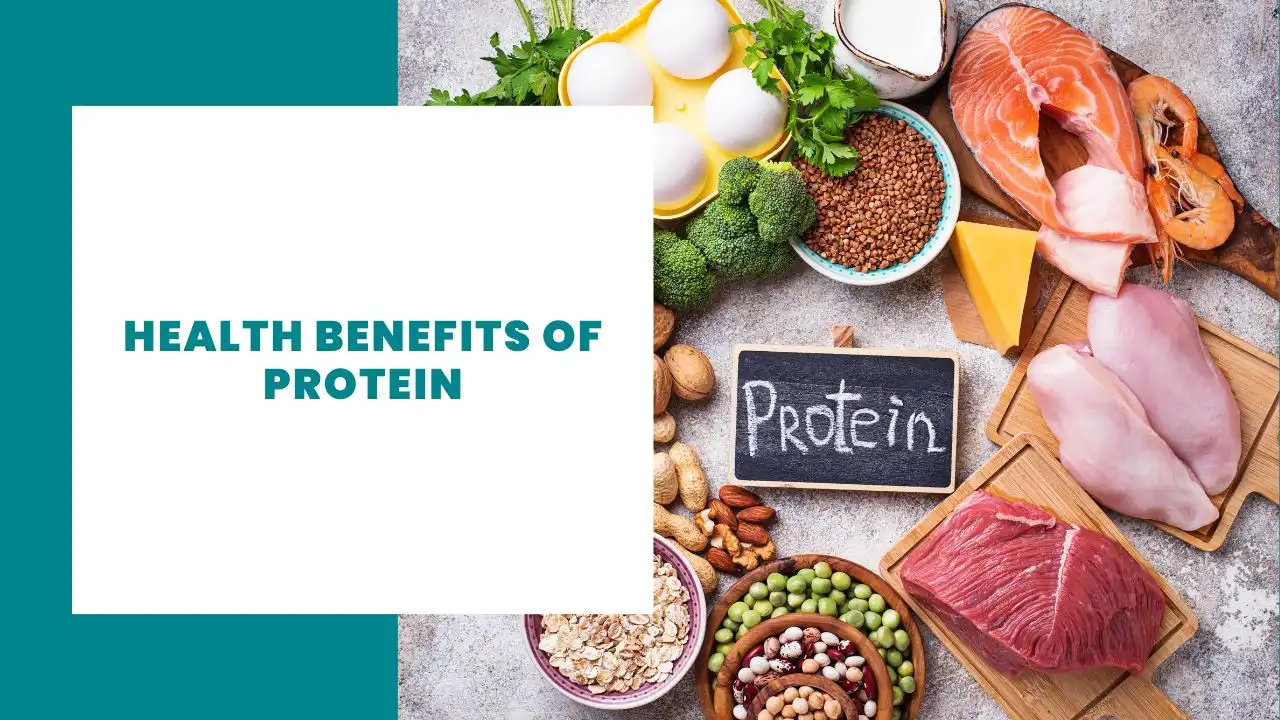
Natural food sources such as lean meats, poultry, fish, eggs, and legumes are excellent sources of high-quality protein. These foods provide essential nutrients and amino acids vital for muscle and tissue repair, making them essential components of a balanced diet.
Benefits of Protein in Dairy Foods
Dairy foods, including milk, yogurt, and cheese, are rich in protein and other essential nutrients such as calcium and vitamin D. Consuming dairy products can contribute to meeting your daily protein needs while supporting bone health and overall nutritional intake.
Protein in Plant-Based Foods
Plant-based protein sources, such as beans, lentils, tofu, and quinoa, offer a nutritious and sustainable alternative to animal-based proteins. These plant foods are rich in protein, fiber, and various vitamins and minerals, making them valuable additions to a balanced and diverse diet.
Health Benefits of a High-Protein Diet
Adopting a high-protein diet, focusing on protein foods, can offer various health benefits, including support for weight management, possible weight gain, bone health, and overall well-being. Consuming a diet rich in protein promotes satiety, aids in muscle preservation, and supports various metabolic functions essential for overall health and vitality.
- Weight Management with a High-Protein Diet: A high-protein diet can aid in weight management by promoting feelings of fullness and reducing overall calorie intake. Protein-rich foods require more energy to digest, leading to increased metabolism and potential reduction in overall body weight and fat mass.
- Bone Health and High Protein Intake: Adequate protein intake is essential for maintaining bone health and preventing the risk of osteoporosis and bone-related conditions. Protein plays a crucial role in supporting bone density and strength, making it an important dietary component for overall skeletal health.
- Impact of High Protein Diet on Overall Health: High-protein diets can have a positive impact on various aspects of health, including improved muscle function, enhanced metabolic rate, and overall energy levels. Consuming a diet rich in protein supports the body's physiological functions, contributing to overall health and vitality.
How to Get More Protein in Your Diet
There are various ways to increase your protein intake and incorporate protein-rich foods into your daily meals. From selecting nutritious protein sources to using protein supplements and adding protein to different recipes, there are numerous strategies to ensure that you are meeting your daily protein requirements.
Reaching Your Daily Protein Intake
Planning and preparing meals that include protein-rich foods such as lean meats, poultry, fish, eggs, and plant-based sources like plant protein can help you reach your daily protein intake goals. Including protein-rich snacks, such as Greek yogurt, nuts, and seeds, can also contribute to meeting your protein requirements throughout the day.
Beneficial Role of Protein Supplements
Protein supplements, including protein powders and shakes, can be beneficial for individuals looking to increase their protein intake or support muscle recovery and growth. Here’s one of the 10 science-backed reasons to eat more protein: The supplements offer a convenient and quick way to consume high-quality protein, especially for those with active lifestyles or specific dietary needs.
Incorporating Protein into Different Meals
Adding protein to different meals, such as smoothies, salads, and stir-fry dishes, can enhance the nutritional value of your food while increasing your overall protein intake. Including protein-rich ingredients and meal options in your daily diet can help ensure that you are getting enough protein to support your body’s needs and functions.
Conclusion
In conclusion, there are numerous science-backed reasons to prioritize and increase your intake of protein every day. Whether you opt for animal or plant-based sources, consuming plenty of protein is crucial for various aspects of health. Not only does protein play a vital role in muscle growth, repair, and maintenance, but it can also aid in weight management by promoting satiety and helping you lose weight. Protein is found in a variety of healthy sources, including lean meats, plant-based options, and supplements like protein shakes or whey protein.
Ensuring you get your protein from a variety of sources is essential to obtain a balanced intake of amino acids. The body needs protein to build and repair tissues, and a deficiency may lead to the loss of muscle mass. It’s worth noting that the level of protein required varies, but a general guideline suggests around 0.8 grams of protein per kilogram of body weight.
Incorporating changes in diet and lifestyle, including regular consumption of healthy protein sources, can have long-term benefits. Don’t underestimate the importance of getting enough protein, as it not only helps your body function optimally but may also contribute to many health benefits, making it an integral part of a balanced diet.
More about Healing Foods


