

10 Health benefits of Glutamine
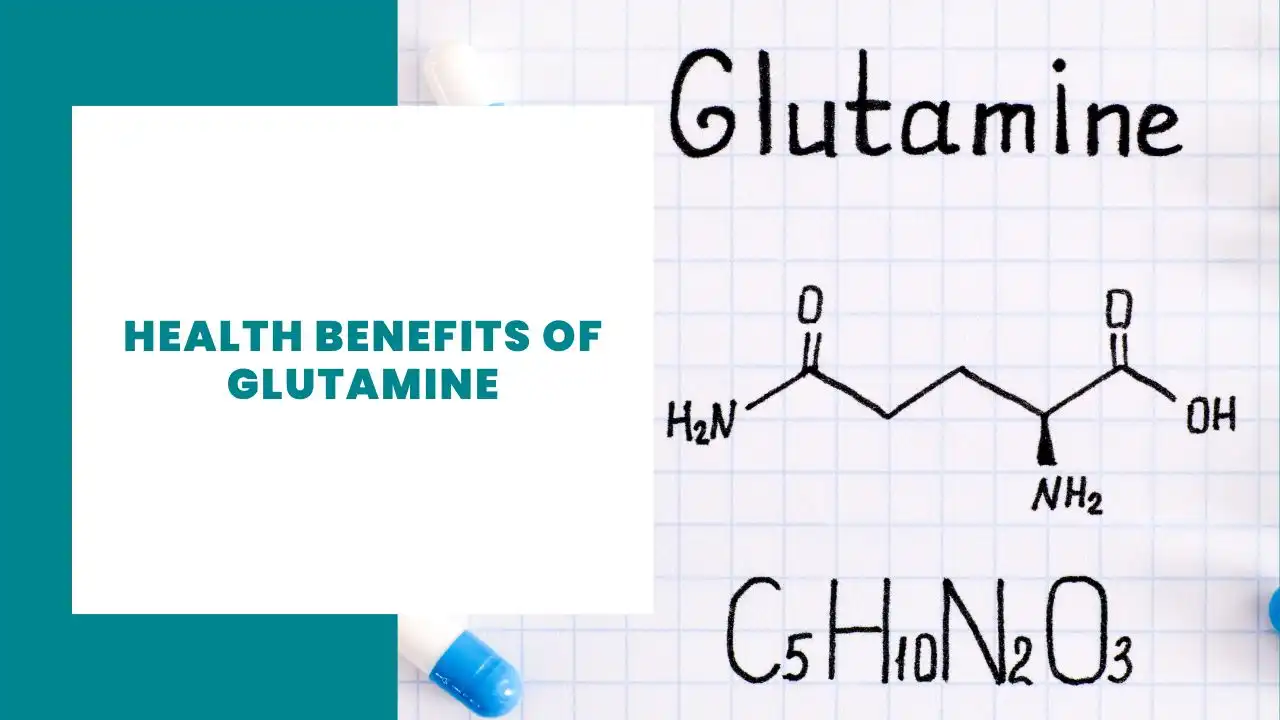
Glutamine is an essential amino acid that plays a crucial role in numerous physiological processes within the human body.
It is the most abundant amino acid in the bloodstream and is involved in various metabolic functions, including protein synthesis, regulation of acid-base balance, and providing fuel for cells, particularly in the intestine and immune system.
This versatile amino acid is synthesized in the body from glutamate and ammonia through the action of the enzyme glutamine synthetase.
Written by
- Redaction Team
- Body, Healing Foods, Personal Development
Table of Contents
Health benefits of Glutamine
- Supports Immune Function: Glutamine is a crucial fuel for immune cells, particularly white blood cells. During times of illness, injury, or stress, the demand for glutamine by the immune system increases, and adequate levels of glutamine may help support a robust immune response.
- Aids in Muscle Recovery and Growth: Glutamine plays a role in protein synthesis, the process by which the body builds and repairs muscle tissues. Athletes and individuals engaged in intense physical activity may benefit from glutamine supplementation to support muscle recovery and growth.
- Gastrointestinal Health: Glutamine is a primary energy source for the cells lining the gastrointestinal tract. It helps maintain the integrity of the intestinal mucosa and may be beneficial for individuals with certain gastrointestinal conditions, such as leaky gut syndrome or inflammatory bowel diseases.
- Reduced Muscle Soreness: Glutamine supplementation may help reduce muscle soreness and speed up recovery after intense exercise. This can be particularly relevant for athletes or individuals engaging in high-intensity training.
- Energy Source for Cells: Glutamine is a significant source of energy for various cells in the body, including cells in the kidneys and liver. It can be converted into glucose when needed, providing energy for cells and organs.
- Antioxidant Properties: Glutamine has antioxidant properties, helping to neutralize free radicals in the body. This may contribute to reducing oxidative stress and inflammation.
- Wound Healing: Glutamine is essential for the synthesis of proteins involved in wound healing and tissue repair. It may help accelerate the healing process after surgery, injury, or trauma.
- Maintains Acid-Base Balance: Glutamine helps regulate the body's acid-base balance by acting as a buffer in the kidneys. This is important for maintaining overall pH balance in the body.
- Neurotransmitter Precursor: Glutamine is a precursor for the production of neurotransmitters like glutamate and GABA (gamma-aminobutyric acid). These neurotransmitters play a role in brain function and may have implications for cognitive health.
- Supports Metabolism: Glutamine is involved in various metabolic processes, including the transport of nitrogen between organs. It is crucial for nitrogen balance in the body.
Understanding the role of glutamine in metabolic processes
Glutamine is central to the metabolism of crucial biological molecules such as glucose and proteins. It serves as an important substrate for many metabolic pathways, supporting energy production, and the synthesis of other amino acids.
How does glutamine contribute to intestinal health?
The gastrointestinal tract is heavily reliant on glutamine for its integrity and function. Glutamine is the preferred fuel for the rapidly dividing cells of the intestinal mucosa, contributing to the maintenance and repair of the intestinal barrier and the preservation of gut health.
Effects of glutamine on muscle tissue
Glutamine has been identified as a key player in muscle protein metabolism. It supports muscle growth and repair, making it a popular supplement choice among athletes and bodybuilders.
What are the health benefits of glutamine supplementation?
Glutamine supplementation offers a wide array of potential health benefits, ranging from supporting immune function to promoting gut health and overall well-being.
- How does glutamine supplementation support immune function? Studies suggest that glutamine supplementation may enhance immune function by supporting the proliferation and activity of immune cells, particularly in times of stress or illness.
- Can glutamine supplementation help in addressing leaky gut? Emerging research indicates that glutamine supplementation may aid in the maintenance of gut barrier function, potentially offering therapeutic benefits in conditions associated with increased intestinal permeability, such as leaky gut syndrome.
- Exploring the potential benefits of glutamine on overall health. Beyond its role in immune support and gut health, glutamine supplementation may exert beneficial effects on various aspects of overall health, including maintaining muscle mass, reducing muscle soreness, and supporting wound healing.
How to take glutamine for maximum health benefits?
When considering glutamine supplementation, it is important to adhere to recommended dosages and timing to ensure optimal absorption and efficacy.
Recommended dosage and timing for glutamine supplementation
The standard dosage of oral glutamine supplements typically ranges from 5 to 15 grams per day, divided into multiple doses. It is often suggested to take l-glutamine on an empty stomach to enhance its absorption, although individual responses may vary.
Factors to consider when choosing a glutamine supplement
When selecting a glutamine supplement, it is essential to opt for a reputable manufacturer and ensure the product undergoes rigorous quality testing. Additionally, considering factors such as form (powder or capsules) and additional ingredients can help in choosing the most suitable option.
Understanding the potential side effects of glutamine supplementation
While glutamine is generally well-tolerated, potential side effects may include gastrointestinal discomfort, particularly when consuming high doses. It is advisable to consult with a healthcare professional before commencing glutamine supplementation, especially for individuals with pre-existing medical conditions or those taking medications.
What are the possible risks and interactions associated with glutamine use?
Despite its potential benefits, there are considerations regarding the risks and interactions of glutamine use that individuals should be aware of.
Exploring potential contraindications for glutamine supplementation
Individuals with certain medical conditions, such as certain types of cancer, liver disease, and neurological disorders, should exercise caution or avoid glutamine supplementation due to potential exacerbation of their conditions.
Potential interactions of glutamine with medications and other supplements
Glutamine may interact with certain medications or supplements, particularly those affecting the liver or kidney function, and can potentially impact their efficacy or toxicity.
Are there any risks of excessive glutamine intake?
Excessive intake of glutamine, especially in the form of supplements, may impose risks, including imbalances in amino acid levels, potential interference with metabolic processes, and adverse effects on organ function.
Why is glutamine considered an essential amino acid for health?
The significance of glutamine as an essential amino acid for health is underscored by its pervasive involvement in essential metabolic processes and its profound impact on overall well-being.
Examining the significance of glutamine as an abundant amino acid in the body
As the most abundant amino acid in the bloodstream and a critical player in various physiological functions, glutamine stands out as a fundamental component crucial for maintaining optimal health.
Understanding the impact of glutamine levels on overall health and well-being
The adequacy of glutamine levels directly influences an individual’s health and well-being, exerting effects on metabolic pathways, immune function, and tissue repair processes, among others.
How does glutamine contribute to essential metabolic processes?
Glutamine participates in vital metabolic processes, such as the synthesis of nucleotides and proteins, regulation of acid-base balance, and acting as a significant energy source for rapidly dividing cells, underscoring its indispensable role in supporting overall health.
More about Healing Foods


