

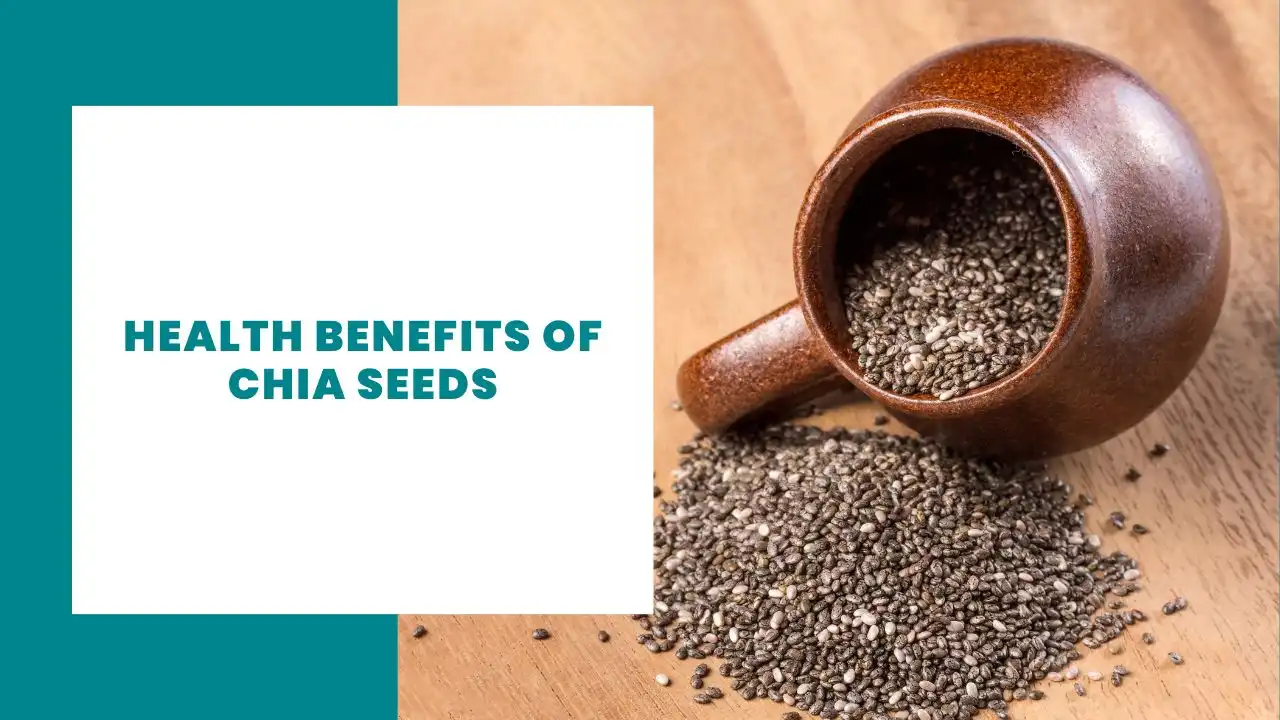
12 Health benefits of Chia Seeds
Chia seeds have gained popularity in recent years due to their numerous health benefits. These tiny seeds, derived from the plant Salvia hispanica, are packed with nutrients that can improve overall health and wellness.
In this article, we will explore the various health benefits of chia seeds and how they can be incorporated into your diet.
Written by
- Redaction Team
- Body, Healing Foods, Personal Development
Table of Contents
Health benefits of chia seeds
Chia seeds are small, nutrient-dense seeds that have gained popularity for their numerous health benefits. Here are some of the potential health benefits of chia seeds:
Rich in Nutrients: Chia seeds are packed with essential nutrients, including fiber, protein, healthy fats (omega-3 fatty acids), vitamins (especially B vitamins), and minerals (calcium, phosphorus, magnesium).
Weight Management: Due to their high fiber content and ability to absorb liquid, chia seeds can expand in your stomach, helping you feel fuller for longer and potentially reducing overall calorie intake.
Digestive Health: The soluble fiber in chia seeds can support healthy digestion by promoting regular bowel movements and preventing constipation.
Heart Health: Chia seeds are rich in omega-3 fatty acids, which can help reduce inflammation and lower the risk of heart disease. They may also help lower blood pressure and reduce bad cholesterol levels.
Blood Sugar Control: Chia seeds can help stabilize blood sugar levels by slowing the digestion and absorption of carbohydrates. This can be particularly beneficial for people with diabetes or those at risk of developing the condition.
Bone Health: Chia seeds are a good source of calcium, phosphorus, and magnesium, which are essential for maintaining strong and healthy bones.
Antioxidant Properties: Chia seeds contain antioxidants that can help protect cells from damage caused by free radicals, potentially reducing the risk of chronic diseases.
Hydration: When mixed with water, chia seeds form a gel-like substance, which can help with hydration by retaining water and electrolytes, making them a popular choice for athletes.
Skin Health: The omega-3 fatty acids in chia seeds may contribute to healthier skin by reducing inflammation and promoting moisture retention.
Plant-Based Protein: Chia seeds are a source of plant-based protein, making them a valuable addition to vegetarian and vegan diets.
Gluten-Free: Chia seeds are naturally gluten-free, making them a safe choice for individuals with gluten sensitivity or celiac disease.
Weight Loss Support: Chia seeds can be a useful component of a weight loss plan due to their ability to provide a feeling of fullness and their low-calorie content.
Chia seeds contain essential nutrients
One of the key benefits of chia seeds is their nutritional value. These seeds are a rich source of omega-3 fatty acids, which are essential for heart health. In fact, chia seeds contain more omega-3s per gram than salmon, making them an excellent plant-based alternative for those who do not consume fish.
Chia seeds also contain high levels of calcium, which is crucial for maintaining strong bones and teeth. Additionally, they are a good source of magnesium, which plays a key role in maintaining normal blood pressure and supporting overall cardiovascular health.
Chia seeds may help improve heart health
Several studies suggest that chia seeds may have a positive impact on heart health. Consuming chia seeds regularly has been shown to reduce the risk of heart disease and lower cholesterol levels. This is due to the high content of omega-3 fatty acids, which help to reduce inflammation and promote healthy blood flow.
Chia seeds are also rich in fiber, which can help regulate cholesterol levels and improve digestive health. The fiber in chia seeds absorbs water, forming a gel-like substance in the digestive system. This gel helps to slow down the absorption of sugar and cholesterol, preventing spikes in blood sugar levels.
Chia seeds can help with diabetes management
For individuals with type 2 diabetes, adding chia seeds to their diet may be beneficial. The high fiber and protein content in chia seeds can help regulate blood sugar levels and improve insulin sensitivity. This can lead to better glycemic control and reduced risk of complications associated with diabetes.
Incorporating chia seeds into meals and snacks can be as simple as sprinkling them on yogurt or adding them to smoothies. Chia seed pudding, made by mixing chia seeds with milk and allowing them to absorb the liquid, is also a popular and nutritious option. Additionally, chia seeds can be used in baked goods, such as breads, to enhance their nutritional value.
Chia seeds are packed with antioxidants
Antioxidants are compounds that help protect the body against damage from harmful free radicals. Chia seeds contain high levels of antioxidants, which can help reduce inflammation and oxidative stress in the body. This, in turn, may help lower the risk of chronic diseases, such as heart disease and certain types of cancer.
One tablespoon of chia seeds provides a significant amount of antioxidants, making them a valuable addition to any diet. The antioxidants found in chia seeds work synergistically with other nutrients, such as omega-3 fatty acids, to promote overall health and well-being.
Chia seeds and weight management
Due to their high fiber and protein content, chia seeds can be beneficial for weight management. These nutrients help to promote feelings of fullness and satiety, reducing the risk of overeating and aiding in weight loss or maintenance. Additionally, the gel-like consistency that chia seeds form when soaked in liquid can help to slow down digestion, contributing to prolonged feelings of fullness.
Adding chia seeds to meals and snacks can be an effective strategy for those looking to manage their weight. Including just one serving of chia seeds, which is typically around two tablespoons, can help increase satiety and provide key nutrients without adding a significant number of calories.
Incorporating chia seeds into your diet
There are many ways to incorporate chia seeds into your diet to reap their health benefits. Consider adding them to your morning smoothie or sprinkle them over a bowl of yogurt. Chia seeds can also be used in baking to make breads, muffins, or cookies, adding a nutritional boost to your favorite baked goods.
When consuming chia seeds, it’s important to keep in mind their ability to absorb water. To ensure proper digestion and avoid discomfort, it is advisable to soak chia seeds in water or another liquid before consuming them. This will help them expand and become easier to digest.
Conclusion
In conclusion, chia seeds are an excellent addition to a healthy diet. They are rich in essential nutrients, such as omega-3 fatty acids, calcium, and magnesium, which can improve heart health and support overall well-being. Chia seeds may also help with diabetes management, weight management, and digestive health. By incorporating chia seeds into your meals and snacks, you can enjoy these health benefits and enhance the nutritional value of your diet.
More about Healing Foods


