

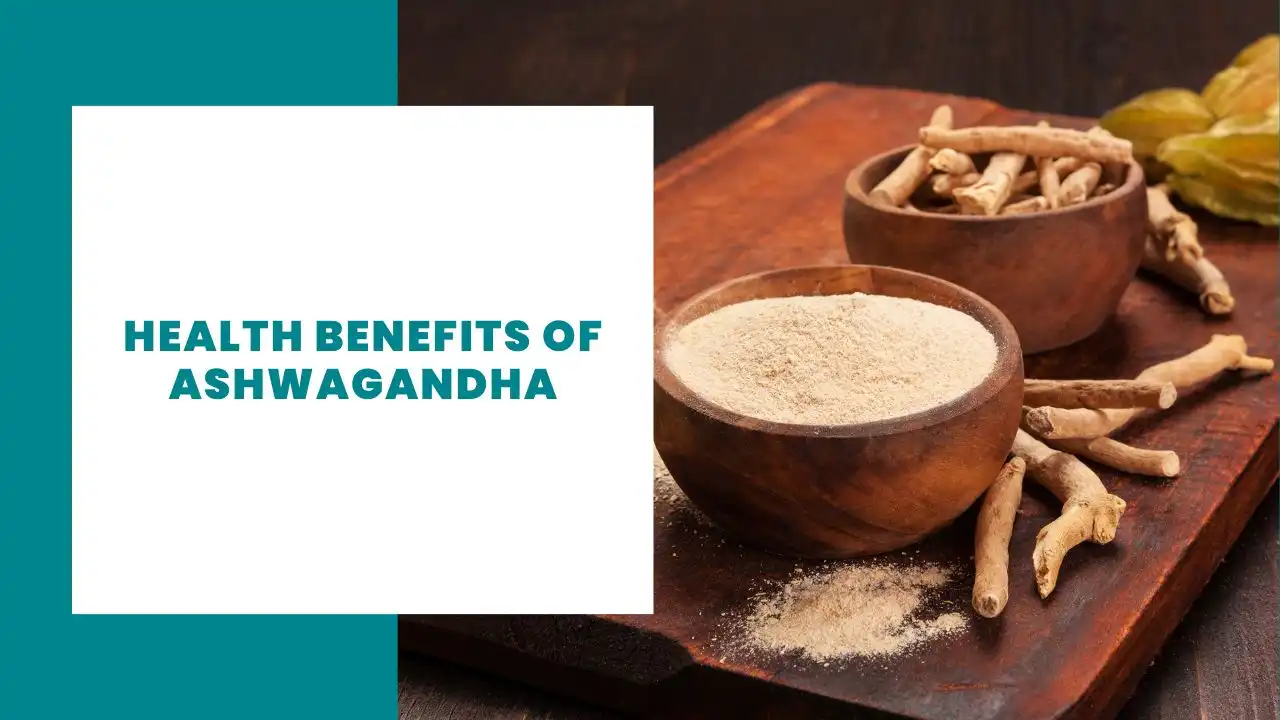
12 Health benefits of Ashwagandha
Ashwagandha, also known as Indian ginseng, is a powerful herb that has been used for centuries in Ayurvedic medicine. The health benefits of ashwagandha are numerous and wide-ranging.
Research suggests that ashwagandha may have a positive impact on various aspects of health, including reducing stress and anxiety, improving cognitive function, and boosting the immune system. Additionally, ashwagandha may have anti-inflammatory and antioxidant properties, making it a popular supplement for overall well-being.
Written by
- Redaction Team
- Body, Healing Foods, Personal Development
Table of Contents
Benefits of Ashwagandha
Stress Reduction and Anxiety Relief
Ashwagandha is an adaptogenic herb known to help manage stress by reducing cortisol levels. Studies show that treatment with ashwagandha, specifically 600 mg of ashwagandha root extract daily, significantly reduces anxiety symptoms in many individuals.Improved Sleep Quality
The use of ashwagandha, including ashwagandha powder and full-spectrum ashwagandha root extract, has been found to enhance sleep quality and reduce insomnia. Adding ashwagandha to your nighttime routine, such as in the form of ashwagandha tea, may help promote restful sleep.Boosts Energy and Reduces Fatigue
Evidence that ashwagandha could improve energy levels comes from its ability to support adrenal health and reduce chronic fatigue. 600 mg of ashwagandha extract per day has been associated with increased vitality.Supports Cognitive Function
Ashwagandha is an important herb in Ayurveda for improving memory and focus. Administration of ashwagandha may enhance brain function, protect against neurodegeneration, and improve reaction times, as seen in studies of its cns effects.Enhances Immune Function
The immunomodulatory and CNS effects of ashwagandha help strengthen the immune system. Ashwagandha is a staple herb in Ayurveda, showing efficacy in reducing inflammation and increasing white blood cell activity.Improves Physical Performance
Ashwagandha supplements may increase muscle strength and endurance. In one study, participants who took 600 mg of ashwagandha per day experienced significant gains in muscle mass and reduced body fat percentages.Helps Lower Blood Sugar Levels
Ashwagandha might lower blood sugar, making it a promising supplement for those with type 2 diabetes or insulin resistance. However, users should monitor glucose levels closely and avoid using ashwagandha without medical advice.Reduces Symptoms of Depression
Ashwagandha may help reduce symptoms of mild to moderate depression. Evidence shows that adding ashwagandha to your daily routine can improve mood due to its adaptogenic properties and ability to balance hormones.Balances Hormones and Boosts Fertility
Benefits of ashwagandha include hormone regulation and improved fertility, especially in men. Regular use of ashwagandha supplements has been shown to increase testosterone levels and sperm quality.Supports Heart Health
The herb may improve heart health by lowering cholesterol and triglyceride levels. Long-term effects are unknown, but small doses of organic ashwagandha may positively affect cardiovascular function.Potential Cancer-Fighting Properties
Extract of ashwagandha contains withanolides, which exhibit cns effects of sitoindosides that may inhibit the growth of cancer cells. While more research is needed, ashwagandha has been used in Ayurvedic medicine for its anti-cancer potential.Reduces Inflammation and Pain
Ashwagandha helps reduce inflammation, providing relief from chronic pain and arthritis. The activity of ashwagandha in reducing inflammation makes it a valuable remedy for joint health.
Considerations and Safety
- Ashwagandha is safe for most people when taken in appropriate amounts, such as 600 mg of ashwagandha per day.
- Potential side effects of ashwagandha include gastrointestinal discomfort, drowsiness, and interactions with medications.
- Pregnant or breastfeeding individuals should avoid using ashwagandha.
- Always consult a healthcare provider before adding ashwagandha to your routine, especially if you take medications or have health conditions.
Reducing stress and anxiety
One of the most well-known benefits of ashwagandha is its ability to reduce stress and anxiety. Several studies have demonstrated that ashwagandha may help decrease the levels of cortisol, also known as the stress hormone, in the body. Cortisol is released in response to stress, and chronically elevated levels can have negative effects on physical and mental health. Ashwagandha has been shown to inhibit the production of cortisol, leading to a reduction in stress and anxiety.
In one study, participants who took ashwagandha supplements experienced a significant reduction in stress and anxiety levels compared to those who took a placebo. The participants reported feeling calmer and more relaxed, and their quality of sleep also improved. Another study found that ashwagandha may help improve symptoms of anxiety disorders, such as generalized anxiety disorder and social anxiety disorder. These findings suggest that ashwagandha could be a natural and effective treatment option for individuals struggling with stress and anxiety. For best results, it can be recommended to take ashwagandha supplements consistently, following the dosage instructions provided on the product label or by a healthcare professional. Incorporating it into your daily routine, along with stress reducing practices like meditation or exercise, may help improve its calming effects.
Improving cognitive function
Ashwagandha may also have positive effects on cognitive function. Research suggests that ashwagandha may help improve memory and focus, as well as reduce the symptoms of neurodegenerative diseases such as Alzheimer’s and Parkinson’s. One study found that participants who took ashwagandha root extract showed improvements in attention, information processing speed, and overall cognitive performance.
Another study investigated the effect of ashwagandha on individuals with mild cognitive impairment, a condition characterized by a decline in memory and thinking skills. The study found that participants who took ashwagandha supplements experienced significant improvements in cognitive function compared to those who took a placebo. These findings suggest that ashwagandha may be a promising natural remedy for enhancing cognitive abilities and preventing age-related cognitive decline.
Boosting the immune system with ashwagandha extract
Ashwagandha has long been revered for its immune-boosting properties. Studies suggest that ashwagandha may help strengthen the immune system, making the body more resistant to infections and illnesses. One study found that ashwagandha extract increased the activity of natural killer cells, which are responsible for detecting and destroying virus-infected cells and cancer cells in the body.
Furthermore, ashwagandha has been shown to have antioxidant effects, protecting the body against damage caused by free radicals. Free radicals are unstable molecules that can cause oxidative stress and damage cells, leading to various health problems. By neutralizing free radicals, ashwagandha may help prevent chronic diseases and support overall immune health.
Possible risks and side effects of taking ashwagandha supplements
While ashwagandha is generally well-tolerated and considered safe for most people, it is important to be aware of potential side effects and take precautions when using ashwagandha supplements. Some individuals may experience gastrointestinal upset, such as stomach pain or diarrhea, when taking ashwagandha. Additionally, ashwagandha may interact with certain medications, such as sedatives and thyroid hormone replacement drugs.
It is always advisable to consult with a healthcare professional before starting any new supplement regimen, especially if you have any underlying medical conditions or are taking prescription medications. They can provide personalized advice and help determine the appropriate dosage and duration of ashwagandha use for your specific needs.
In conclusion
Ashwagandha is a powerful herb that offers a wide range of health benefits. Research suggests that ashwagandha may help reduce stress and anxiety, improve cognitive function, and boost the immune system. While ashwagandha is generally considered safe, it is important to consult with a healthcare professional before using ashwagandha supplements, especially if you have any underlying health conditions or are taking medications.
With its long history of use in Ayurvedic medicine and the growing body of scientific evidence supporting its efficacy, ashwagandha is undoubtedly a valuable herb for promoting overall health and well-being.
More about Healing Foods


