Guide: what to look for in American high-performance server hosting
Written by
- Redaction Team
- Business Technology, Entrepreneurship
Businesses that rely on digital performance have one thing in common: they need hosting that won’t hold them back. A slow server or an unreliable data center can shape the entire experience customers receive, whether you are running an app, a SaaS product, or a large-scale content platform. That is why choosing American high-performance server hosting requires more than comparing prices and storage limits. It calls for understanding the ingredients that actually define speed, reliability, and long-term stability.
Many companies start with shared plans or simple virtual servers before they discover that their infrastructure cannot keep up with their users. High-performance hosting in the United States is often the next step because of the country’s strong connectivity, wide selection of facilities, and mature infrastructure. Still, not every server is built for demanding workloads. Strong hardware means nothing if the surrounding system isn’t maintained, monitored, and supported correctly.
One detail that sets the tone early is the hardware itself. Modern business workloads benefit most from servers built with high-frequency CPUs, fast NVMe storage, and scalable RAM. Some projects also require specialist hardware suited for compute-intensive tasks. This is where solutions like https://vsys.host/gpu-dedicated-servers become relevant, especially when the project involves AI inference, data analytics, scientific work, or complex rendering. Hardware choice influences everything that comes next, including the future limits of the project.
Data center quality as the backbone of performance
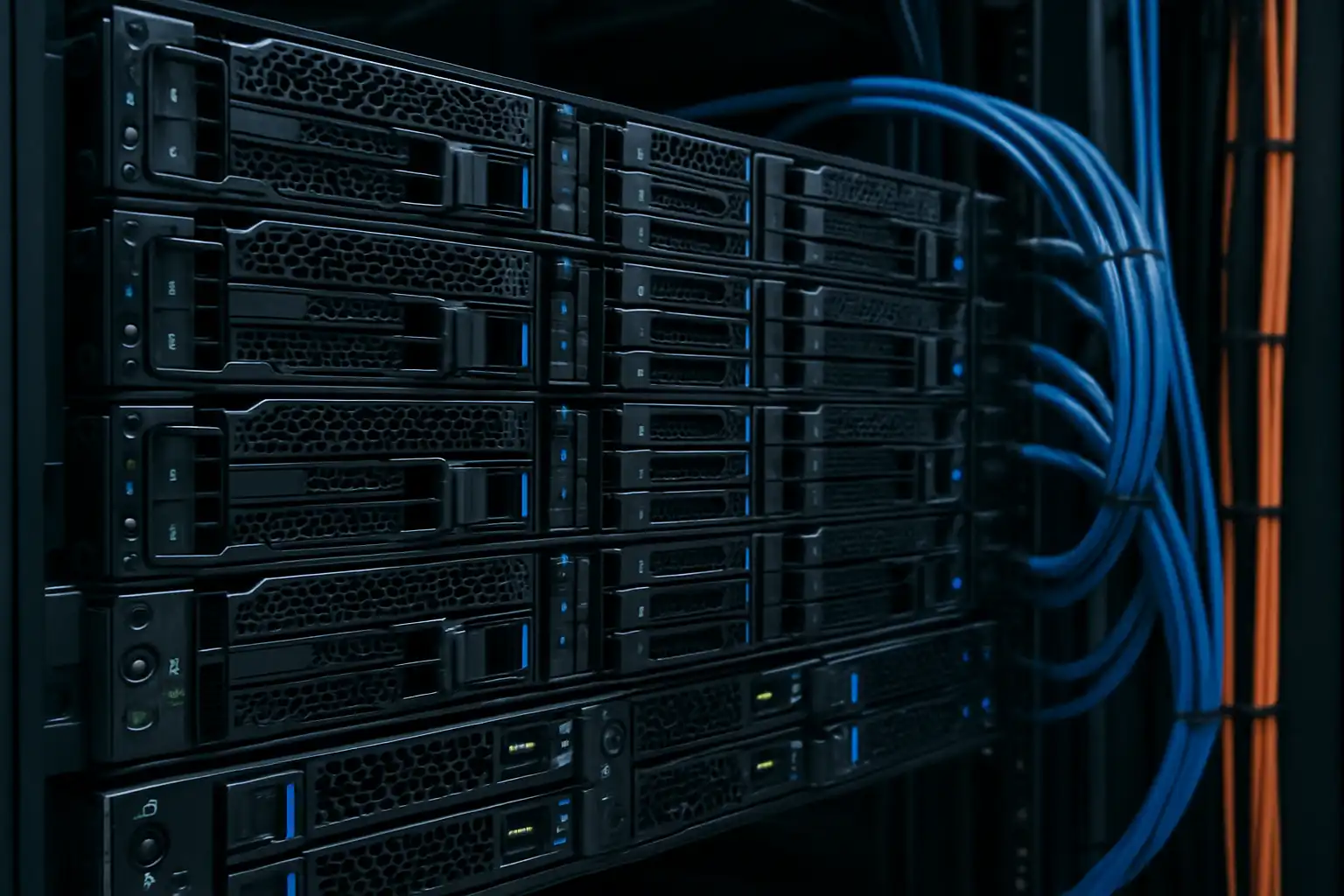
High-performance hosting is not just about the machine; the environment surrounding it shapes its speed and stability. American data centers range from small regional facilities to large industrial-grade complexes with advanced cooling, redundancy, and protection.
A dependable hosting provider usually relies on several key characteristics:
- strong power redundancy backed by multiple feeds
- cooling systems designed to maintain stable performance under heavy load
- network carriers positioned for low-latency routing
- active security systems with physical access control
- consistent infrastructure maintenance schedules
These characteristics turn the hardware into a foundation capable of supporting years of growth instead of a short-term technical patch.
Network performance and routing efficiency
Fast hardware is only one part of the equation. When selecting American hosting, the network route your data travels is equally important. Projects that expect visitors from multiple regions require routing that minimizes delays between users and servers. U.S. facilities often offer diverse routing options thanks to rich carrier presence, which helps companies reach audiences across the Americas with stable performance.
When analyzing network capabilities, businesses typically focus on:
- multiple carriers to avoid single-route dependency
- peering agreements that reduce unnecessary hops
- strong protection against network floods
- stable throughput during peak hours
A serious provider will be transparent about routing maps and will not hide behind generic bandwidth claims.
Scalability and control for technical teams
Once a project grows, you want the hosting environment to grow with it. This is easier when the server offers customization options, root-level control, and the ability to modify the system without restrictions. Dedicated servers and advanced VPS solutions allow engineering teams to tune performance around the exact requirements of the application.
At this stage of planning, companies may also compare American options with other regions. Some will evaluate regional performance differences, which is where mentions of services like https://vsys.host/dedicated-servers-usa appear in research discussions. It helps teams understand the structure of available configurations and decide which setup aligns most closely with future plans.
Security controls that match modern risks
Performance carries little value if the hosting environment isn’t protected. Modern digital projects must guard against unauthorized access, network attacks, and attempts to interfere with system performance. American server providers often integrate specialized protections, though the quality varies widely.
Key protections worth observing include:
- hardware-level isolation from nearby tenants
- firewalls capable of responding to traffic anomalies
- anti-DDoS systems that monitor and mitigate attacks
- strict access control for both digital and physical entry
- clear logging practices that support audits
- regular patching maintained by trusted engineers
The right provider treats security not as a feature but as part of the infrastructure’s core logic.
Support that actually understands infrastructure
Server hosting becomes a partnership. Even the best machine needs monitoring, timely updates, and human intervention in moments when something unexpected happens. That is why technical support quality can be just as influential as the hardware you choose.
Businesses should look for:
- around-the-clock support staffed by actual engineers
- predictable response times
- direct communication channels rather than automated layers
- documented procedures for urgent cases
High-performance operations depend on how quickly issues are identified and resolved. Knowing that a skilled engineer can intervene at any hour adds stability to the entire project.
Balancing price with long-term value
American high-performance hosting is not the cheapest option in the global market, but many companies select it because of the reliability of its infrastructure. Price becomes reasonable when measured against uptime, latency, security, and the ability to scale without redesigning the entire system.
A strong hosting plan feels less like an expense and more like a foundation. It carries the project from early growth to mature operation without forcing constant technical migrations. When chosen well, the server becomes invisible to the user, which is the highest compliment any infrastructure can receive.
The right choice for demanding projects
Selecting the best American high-performance server hosting requires more than scanning technical sheets. It requires attention to the physical environment, the network routes, the strength of security measures, and the communication style of the provider. The goal is not just speed but consistency. A fast server that fails at random moments is not a high-performance solution. A stable server that maintains its speed under pressure is.
When all parts align — hardware, data center design, routing, security, and support—a project gains the foundation it needs to handle heavy traffic, complex tasks, and long-term growth. High-performance hosting is not a luxury but a practical choice for businesses that want to build with stability from the start.
More about Business Technology