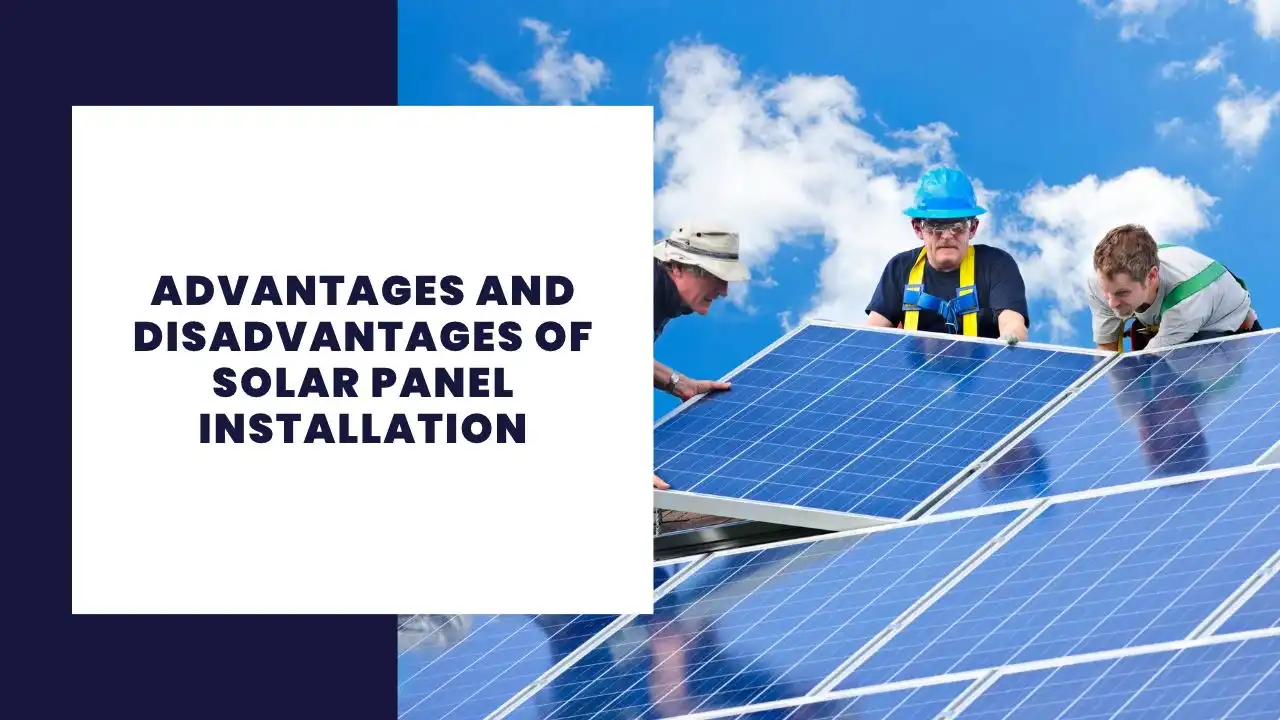
Harnessing the power of the sun has become an increasingly popular choice for homeowners and businesses alike. Solar panel installation offers a promising avenue toward sustainable energy, cost savings, and energy independence. However, like any major investment, it comes with its own set of benefits and challenges. Understanding both sides can help you make an informed decision about whether solar energy is suitable for your needs.
What is Solar Panel Installation?
Solar panel installation involves mounting photovoltaic (PV) panels on rooftops or ground-mounted systems to capture sunlight and convert it into electricity. This renewable energy source reduces reliance on fossil fuels and lowers greenhouse gas emissions. The process typically includes assessing site suitability, designing the system, installing the panels, and connecting to the electrical grid or a battery storage system. As technology advances, solar energy has become more efficient, affordable, and accessible, making it an attractive option for many.
Advantages of Solar Panel Installation
1. Significant Cost Savings Over Time
One of the most compelling reasons to install solar panels is the potential for long-term financial savings. Although the initial investment can be substantial, solar energy reduces or eliminates electricity bills. Over the lifespan of the panels, which often exceeds 25 years, users can see considerable savings that outweigh installation costs. Additionally, many regions offer incentives, tax credits, or rebates that further decrease the upfront expense.
2. Environmental Benefits
Solar energy is a clean, renewable resource that produces no greenhouse gases during operation. By choosing solar, individuals and organizations significantly reduce their carbon footprint, contributing to efforts against climate change. This eco-friendly approach also reduces reliance on fossil fuels, which are finite resources and major polluters.
3. Energy Independence and Security
Installing solar panels allows users to generate their own electricity, decreasing dependence on the traditional power grid. This can be especially advantageous in areas prone to power outages or with unreliable grid infrastructure. Some systems also integrate battery storage, enabling energy use during nighttime or cloudy days, further enhancing independence.
4. Low Maintenance Requirements
Once installed, solar panels require minimal maintenance. Regular cleaning to remove dirt and debris and periodic inspections are usually sufficient to ensure optimal performance. Most panels come with warranties spanning 20-25 years, and their durability means they can withstand harsh weather conditions without significant issues.
5. Increase in Property Value
Homes equipped with solar panel systems tend to have higher market values. Many buyers see solar as an attractive feature that promises lower energy costs and sustainability. This can make properties more appealing and potentially lead to quicker sales.
6. Technological Advancements
Continual improvements in solar technology have increased efficiency rates and reduced costs. Innovations such as bifacial panels, improved inverters, and better mounting systems make solar installations more effective and affordable than ever before.
7. Incentives and Tax Benefits
Governments and local authorities often provide incentives to encourage solar adoption. Tax credits, rebates, and grants can significantly offset installation costs. These financial benefits make solar energy more accessible for a broader demographic.
8. Job Creation and Economic Growth
The expansion of the solar industry has led to the creation of numerous jobs in manufacturing, installation, maintenance, and sales. Supporting solar energy contributes to economic development and promotes sustainable industry growth.
9. Scalability and Flexibility
Solar systems can be tailored to fit various needs, from small residential setups to large commercial arrays. This scalability allows users to start with a modest system and expand as needed, making solar energy adaptable to different budgets and energy demands.
10. Off-Grid Capabilities
In remote or rural areas lacking reliable grid access, solar panels combined with battery storage can provide a standalone power solution. This can improve quality of life, enable economic activities, and support essential services.
11. Reduced Transmission Losses
By generating electricity close to where it is used, solar panels reduce the losses associated with transmitting power over long distances. This efficiency helps optimize energy use and reduces waste.
12. Positive Public Image
Adopting solar energy demonstrates environmental responsibility, which can enhance a company’s or individual’s reputation. It aligns with sustainability goals and showcases a commitment to reducing environmental impact.
13. Potential for Income Generation
In some regions, excess solar energy produced can be fed back into the grid, earning credits or payments through net metering programs. This can create an additional revenue stream or further offset energy costs.
14. Educational and Community Benefits
Solar projects can serve as educational tools, raising awareness about renewable energy and sustainability. Community solar initiatives also allow multiple users to benefit from a shared solar installation, fostering collective environmental responsibility.
Disadvantages of Solar Panel Installation
1. High Upfront Costs
Despite decreasing prices, the initial investment for solar panels, inverters, batteries, and installation remains significant. This can be a barrier for many individuals or small businesses, especially without access to incentives or financing options.
2. Weather and Climate Dependence
Solar panels rely on sunlight to generate electricity. Cloudy days, rain, snow, and seasonal variations can reduce their efficiency. While energy production can be supplemented with storage or grid power, inconsistent weather can impact overall system performance.
3. Space Requirements
Effective solar installation requires sufficient space, especially for larger systems. Rooftop space may be limited or unsuitable due to shading, orientation, or structural constraints. Ground-mounted systems also demand land that may not be readily available.
4. Aesthetic Concerns
Some homeowners or communities may find solar panels visually unappealing, leading to aesthetic conflicts or restrictions through homeowners’ associations. The visual impact can influence property values or neighborhood harmony.
5. Maintenance and Longevity Concerns
While maintenance is minimal, panels can degrade over time, leading to reduced efficiency. Cleaning, inspections, and occasional repairs are necessary to maintain optimal performance, which can incur costs or inconvenience.
6. Potential Environmental Impact During Manufacturing
The production of solar panels involves mining, energy consumption, and chemical use, which can have environmental repercussions. Recycling and disposal of panels at end-of-life also pose challenges.
7. Grid Compatibility and Regulations
Integrating solar systems into existing electrical grids requires compliance with local regulations and technical standards. In some cases, grid connection fees or restrictions can complicate installation and operation.
8. Energy Storage Costs
To maximize benefits, many systems incorporate batteries to store excess energy. These batteries can be expensive, have limited lifespans, and require proper disposal or recycling at the end of their service life.
9. Limited Effectiveness in Certain Climates
Regions with low sunlight exposure, frequent overcast conditions, or high latitudes may experience lower energy yields. This can impact the cost-effectiveness and practicality of solar installations in such areas.
10. Potential for Damage
Extreme weather events, such as hailstorms, hurricanes, or heavy snowfall, can damage solar panels. Although panels are designed to withstand many conditions, severe events can lead to costly repairs or replacements.
11. Complexity of System Design
Designing an efficient solar system requires technical expertise to optimize orientation, tilt, and component selection. Poorly designed systems may underperform, leading to frustration and financial loss.
12. Impact on Property Aesthetics and Neighborhoods
Large arrays or visually prominent installations can alter the appearance of a property and surrounding area. This may lead to aesthetic disputes or restrictions, particularly in historic or conservation districts.
13. Long Payback Periods in Some Cases
While costs are decreasing, the time it takes to recoup the initial investment varies widely based on energy prices, incentives, and system size. In some scenarios, the payback period can be lengthy, diminishing short-term financial appeal.
14. Potential Obsolescence
Rapid technological advancements can render older systems less efficient or outdated. Upgrading or replacing panels may be necessary over time, adding to long-term costs.
Comparison Table of the Pros and of Solar Panel Installation
| Advantage | Disadvantage |
|---|---|
| Cost savings over time | High upfront costs |
| Environmental benefits | Weather dependence reduces efficiency |
| Energy independence | Space requirements may be significant |
| Low maintenance | Aesthetic concerns in some communities |
| Increased property value | Degradation over time affects performance |
| Technological advancements | Environmental impact during manufacturing |
| Incentives and tax benefits | Grid integration challenges |
| Job creation and economic growth | Storage costs can be high |
| Scalability and flexibility | Limited effectiveness in low-sun climates |
| Off-grid capabilities | Potential damage from weather events |
| Reduced transmission losses | System design complexity |
| Positive public image | Obsolescence risks |
| Income generation via net metering | Disposal and recycling issues |
| Educational and community benefits | Long payback periods in some cases |
The Future of Solar Panel Installation
The outlook for solar energy remains optimistic. Technological innovations promise higher efficiency, lower costs, and better integration with energy storage solutions. Emerging trends include building-integrated photovoltaics (BIPV), which embed solar cells into building materials like windows and roofs, making installations more seamless and aesthetically pleasing.
Furthermore, governments worldwide continue to support renewable energy initiatives, which will likely lead to more incentives and favorable policies. Advancements in battery technology will enhance energy storage capabilities, allowing for more reliable off-grid solutions and grid balancing.
As the global focus on combating climate change intensifies, solar energy is poised to become a cornerstone of sustainable development. The integration of smart grid technologies and digital monitoring will optimize system performance and energy management. Overall, solar panel installation is expected to play a vital role in transitioning toward a cleaner, more resilient energy future.