Installing a swimming pool can transform your backyard into a private oasis, offering countless opportunities for relaxation, fitness, and entertainment. However, like any major home improvement, it comes with its set of benefits and drawbacks. Understanding these can help you make an informed decision that best suits your lifestyle, budget, and property.
What is Swimming Pool Installation
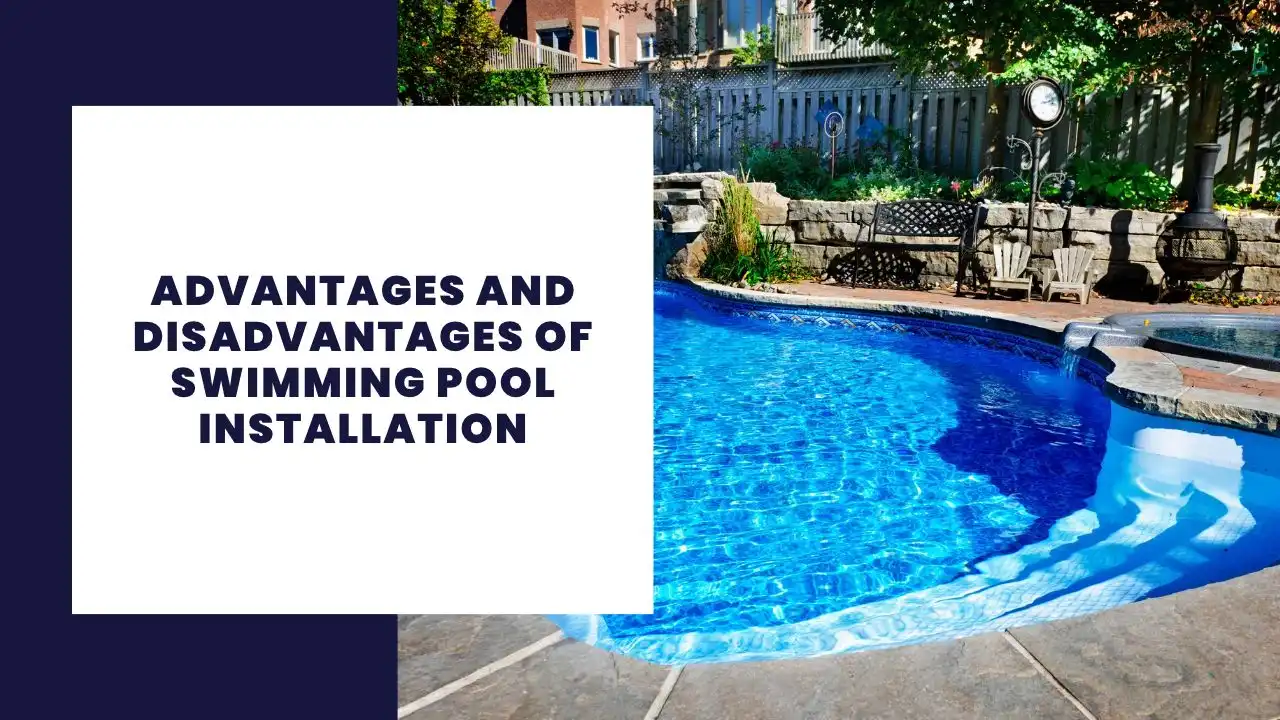
Swimming pool installation involves constructing a water-filled structure designed for recreation, exercise, or aesthetic enhancement within or around a residential property. It encompasses various types, such as in-ground pools, which are built into the landscape, and above-ground pools, which are portable and less permanent. The process includes planning, excavation, construction, and finishing touches like decking, fencing, and landscaping.
The decision to install a swimming pool requires careful consideration of location, size, design, and long-term maintenance. While pools can significantly increase property value and provide endless enjoyment, they also demand significant investment and upkeep.
Advantages of Swimming Pool Installation
1. Enhanced Recreation and Relaxation Opportunities
A swimming pool offers a convenient way to unwind and enjoy leisure time right at home. It provides a private space for swimming, lounging, and social gatherings without the need to venture to public pools or beaches. This constant access can improve your overall quality of life, offering a peaceful retreat during hot summer days or after busy work schedules.
2. Increased Property Value
A well-designed swimming pool can boost your home’s market appeal, making it more attractive to potential buyers. Many homebuyers view a pool as a desirable feature that enhances outdoor living space and provides year-round entertainment options, especially in warmer climates. Properly maintained pools can contribute positively to your property’s overall value.
3. Health and Fitness Benefits
Swimming is an excellent low-impact exercise suitable for people of all ages and fitness levels. Regular swimming can improve cardiovascular health, strengthen muscles, and increase flexibility. Having a pool at home encourages consistent exercise routines, helping you stay healthy without the need for gym memberships or outdoor trips.
4. Aesthetic Appeal and Personalization
Pools can significantly enhance the visual appeal of your backyard. With various shapes, sizes, and features like waterfalls, lighting, or built-in spas, pools offer opportunities for customization. They can create a luxurious, resort-like ambiance that elevates your outdoor environment and provides a stunning focal point.
5. Entertainment and Socialization
A pool is the perfect setting for gatherings, parties, and family fun. It encourages social interaction and creates lasting memories. Whether hosting barbecues, pool parties, or casual family swims, a pool fosters a lively and inviting atmosphere in your home.
6. Year-Round Use in Warmer Climates
In regions with warm or hot climates, pools can be used throughout the year. This extended usability maximizes your investment, allowing you to enjoy the benefits of your pool for most of the year, especially when combined with heating options.
7. Personal Privacy
Unlike public pools, a private backyard pool offers complete privacy for swimming and relaxing. This autonomy allows you to enjoy your leisure time without crowds or onlookers, creating a more comfortable and personalized experience.
8. Potential Cost Savings on Recreation
Having a pool at home can reduce expenses associated with frequent visits to public pools or water parks. Over time, the savings on entrance fees and memberships can offset some of the initial installation costs, especially if used regularly.
9. Customizable Features for Enhanced Experience
Modern pools come with advanced features like LED lighting, heating systems, automated cleaning, and smart controls. These additions can elevate your swimming experience, making maintenance easier and creating an ambiance tailored to your preferences.
10. Educational Opportunities for Children
A backyard pool can serve as a safe environment for children to learn swimming and water safety skills. Supervised pool use can promote confidence and responsibility in young swimmers, offering both fun and educational value.
11. Personal Achievement and Satisfaction
Completing a pool installation can be a rewarding project, giving homeowners a sense of accomplishment. Seeing your vision come to life and enjoying the benefits can boost pride and satisfaction with your property.
12. Environmental Benefits with Proper Design
With eco-friendly features like solar heating, energy-efficient pumps, and filtration systems, pools can be made more sustainable. These innovations reduce water and energy consumption, making pool ownership more environmentally responsible.
13. Flexibility in Design and Size
Pools can be tailored to fit any backyard, from small plunge pools to expansive luxury resorts. This flexibility allows homeowners to create a custom aquatic space that complements their landscape and lifestyle preferences.
14. Enhances Outdoor Living Space
A pool can serve as a central feature around which outdoor furniture, landscaping, and entertainment areas are designed. It transforms your backyard into a multifunctional living space that encourages outdoor living and socialization.
Disadvantages of Swimming Pool Installation
1. High Initial Cost
Constructing a pool requires a significant financial investment. Costs include excavation, construction, permits, and landscaping, which can range from thousands to tens of thousands of dollars depending on size and features. This upfront expense can be prohibitive for some homeowners.
2. Ongoing Maintenance and Operating Costs
Pools demand regular upkeep, including cleaning, chemical balancing, and equipment repairs. Additionally, energy costs for pumps, heaters, and lighting can add to your monthly expenses. Neglecting maintenance can lead to issues like algae growth or equipment failure.
3. Safety Risks
Pools pose safety hazards, especially for children and pets. Drowning accidents can occur if proper barriers, covers, and supervision are not maintained. Implementing safety measures adds to the overall cost and responsibility of pool ownership.
4. Time-Consuming Upkeep
Maintaining a pool requires consistent effort. Regular cleaning, chemical testing, and equipment checks can be time-consuming, particularly during peak usage seasons. This ongoing commitment might be burdensome for busy homeowners.
5. Limited Usage in Cold Climates
In colder regions, pools are only usable during warmer months unless expensive heating systems are installed. Off-season, the pool becomes an unused feature, which may not justify the investment for some homeowners.
6. Potential for Structural Damage
Pools are susceptible to issues such as cracking, leaks, or erosion, especially if not properly constructed or maintained. Repairing structural damage can be costly and disruptive.
7. Impact on Property Landscape and Space
Installing a pool requires significant space, which might reduce the area available for gardening, play zones, or other outdoor features. It can also alter the natural aesthetics of your yard.
8. Increased Insurance Premiums
Having a pool can raise your homeowner’s insurance premiums due to the increased liability risk. Additional coverage might be necessary to protect against accidents or damages.
9. Environmental Concerns
Pools consume large amounts of water and chemicals, which can have environmental impacts. Overuse of chemicals can harm local ecosystems, and water wastage may be problematic in drought-prone areas.
10. Potential Noise and Light Pollution
Pool equipment like pumps, filters, and lighting can generate noise and light pollution, affecting your outdoor ambiance and possibly disturbing neighbors.
11. Regulatory and Permit Challenges
Pool construction often requires permits, inspections, and adherence to local regulations. Navigating the legal process can be complex and may cause delays or additional costs.
12. Risk of Allergies and Skin Irritations
Chemical treatments used to maintain water quality can cause skin irritations, allergies, or respiratory issues for sensitive individuals, requiring careful handling and monitoring.
13. Seasonal Limitations
In addition to cold climates, regions experiencing heavy rainfall or storms can hinder pool use and increase maintenance needs due to debris and water runoff.
14. Potential Decrease in Yard Usability
A pool can dominate your outdoor space, reducing the area available for other activities like gardening, sports, or outdoor dining. This trade-off might impact your overall outdoor enjoyment.
Comparison Table of the Pros and of Swimming Pool Installation
| Advantages | Disadvantages |
|---|---|
| Enhances recreation and relaxation | High initial cost |
| Increases property value | Ongoing maintenance and operating costs |
| Promotes health and fitness | Safety risks, especially for children and pets |
| Adds aesthetic appeal and customization | Time-consuming upkeep |
| Facilitates entertainment and social gatherings | Limited usage in colder climates |
| Year-round use in warm regions | Potential structural damage |
| Provides privacy | Impacts landscape and outdoor space |
| Cost savings on recreation over time | Increased insurance premiums |
| Eco-friendly options available | Environmental concerns |
| Flexible design options | Noise and light pollution |
| Enhances outdoor living space | Regulatory hurdles and permit requirements |
| Educational benefits for children | Allergies and skin irritations |
| Personal achievement and satisfaction | Seasonal limitations and weather dependency |
| Environmental sustainability with proper design | Reduced yard usability |
The Future of Swimming Pool Installation
Advancements in technology and growing environmental awareness are shaping the future of pool installation. Eco-friendly and energy-efficient systems are becoming more common, reducing the environmental impact and operational costs. Solar heating, LED lighting, and smart automation are making pools more sustainable and user-friendly.
Moreover, modular and customizable pools are gaining popularity, allowing homeowners to adapt their aquatic spaces to their evolving needs. Innovations like natural swimming pools, which use biological filtration instead of chemicals, are also emerging as eco-conscious alternatives.
As urbanization continues, space-efficient and above-ground pools are expected to become more prevalent, offering affordable and less invasive options for homeowners. The integration of outdoor living features, such as fire pits, outdoor kitchens, and landscaping, will further enhance the appeal of pools as part of a holistic outdoor lifestyle.