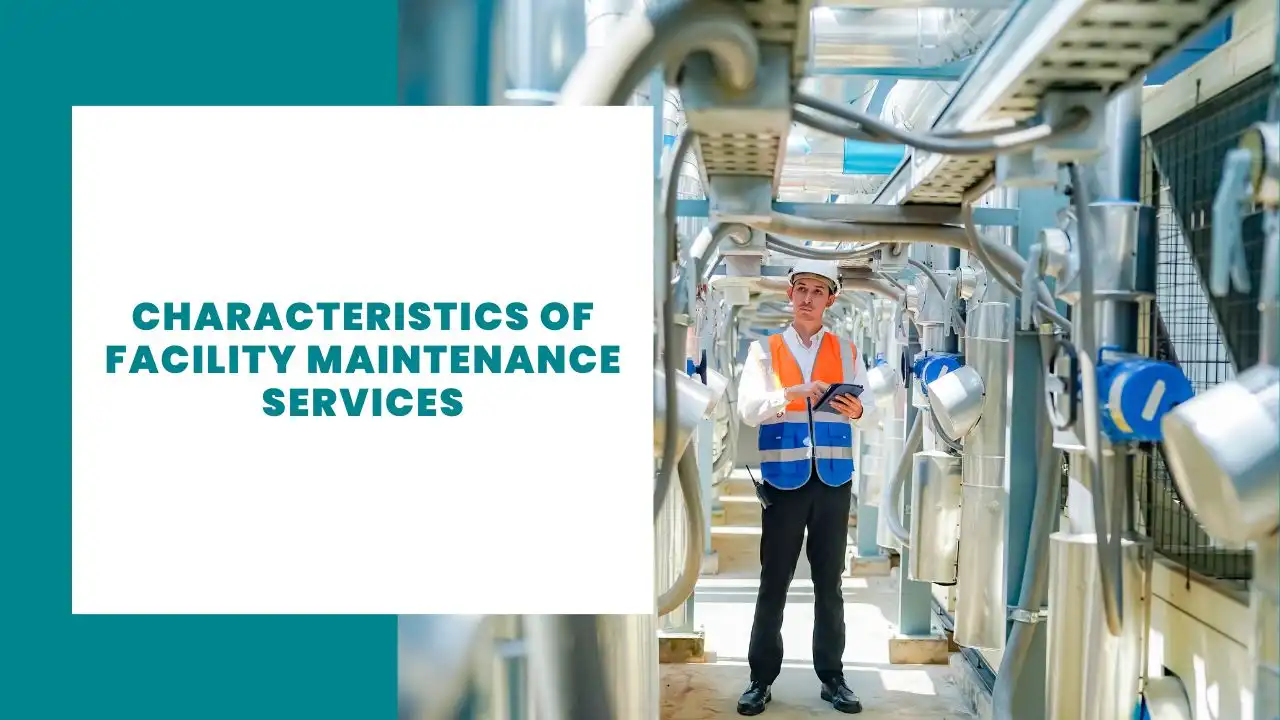
Facility maintenance services play a critical role in keeping buildings safe, functional, and efficient. Every facility, whether a commercial building, healthcare facility, or industrial site, depends on effective facility maintenance to support operations, protect assets, and create a productive work environment. Facility maintenance involves a combination of planning, technology, skilled personnel, and structured processes that address both short-term issues and long-term facility needs. Understanding the key characteristics of facility maintenance services helps organizations design a maintenance program that improves facility performance and supports successful facilities management.
1. Preventive and Proactive Maintenance Planning
Preventive maintenance is one of the most important characteristics of effective facility maintenance services. A preventive maintenance program focuses on regular maintenance activities designed to reduce equipment failures and extend asset life. Maintenance schedules define when inspections, servicing, and replacements should occur.
Implementing proactive maintenance reduces the costs associated with reactive maintenance and minimizes unplanned downtime. Facility managers are responsible for developing a maintenance plan that aligns with the type of facility and its operational demands. Scheduled maintenance ensures maintenance addresses issues before they escalate into costly repairs.
2. Comprehensive Maintenance Strategies Covering All Types of Facility Maintenance
Facility maintenance services must address the four main types of facility maintenance: preventive maintenance, predictive maintenance, corrective maintenance, and reactive maintenance. Each type of maintenance serves a specific purpose within the facility maintenance program.
Predictive maintenance uses data, sensors, and maintenance history to anticipate equipment failures. Corrective maintenance resolves identified issues, while reactive maintenance responds to unexpected breakdowns. A comprehensive maintenance strategy balances these approaches to support effective facility maintenance across the facility.
3. Skilled Maintenance Teams and Clear Responsibilities
Maintenance teams are at the heart of any facility maintenance service. Facility maintenance workers, maintenance technicians, and facility management teams collaborate to perform maintenance tasks efficiently and safely. Facility managers need to ensure roles and responsibilities are clearly defined and aligned with maintenance strategies.
Senior management and the management team play a key role in supporting maintenance initiatives by allocating resources and prioritizing maintenance needs. Proper training and coordination help maintenance teams execute maintenance work effectively within the facility.
4. Use of Maintenance Management Systems and Software
Technology is a defining characteristic of modern facility maintenance services. A maintenance management system, often referred to as computerized maintenance management software, supports work order management, maintenance records, and asset management.
Facility management software and maintenance management software help track maintenance schedules, manage inventory management, and monitor maintenance KPIs. These systems improve efficiency in facility operations by centralizing data and enabling better decision-making across the facility.
5. Structured Work Order and Inspection Processes
Work order management is essential for organizing maintenance tasks and ensuring accountability. Each work order documents the scope of maintenance work, required resources, and completion status. Inspections are scheduled as part of regular maintenance routines to identify risks and maintenance needs.
Accurate maintenance records provide visibility into maintenance history and support long-term planning. Maintenance systems ensure that inspections, corrective maintenance, and preventive maintenance are coordinated and documented properly.
6. Focus on Safety, Compliance, and Environmental Management
Facility maintenance services contribute directly to safety and compliance. Building maintenance includes maintaining systems related to health, safety, and environmental management. Waste management, energy management, and proper handling of utilities such as plumb systems are part of effective facilities management.
Healthcare facilities and commercial buildings often face strict regulatory requirements. Facility maintenance addresses issues related to compliance, helping facility managers ensure that maintenance focuses on protecting occupants and maintaining a safe work environment.
7. Integration With Overall Facility and Building Management
Effective facility maintenance services are integrated with broader facility management functions such as space management, lease management, resource management, and building automation systems. Maintenance uses data from building management systems to optimize performance and reduce energy consumption.
Facility maintenance extends beyond repairs by supporting operational goals. Across the facility, maintenance services include coordination with facility management services to ensure every facility operates efficiently and sustainably.
FAQs About Topic
What does facility maintenance involve?
Facility maintenance involves maintaining building systems, equipment, and infrastructure through preventive, predictive, corrective, and reactive maintenance activities.
Why is preventive maintenance important?
Preventive maintenance reduces equipment failures, lowers repair costs, and extends the lifespan of assets by addressing issues early.
How does maintenance management software help facility managers?
Maintenance management software helps facility managers track work orders, schedule maintenance, manage assets, and analyze maintenance performance.
What are examples of facility maintenance services?
Examples include HVAC servicing, electrical repairs, plumbing maintenance, inspections, waste management, and property maintenance.
Who is responsible for facility maintenance in an organization?
Facility managers are responsible for overseeing facility maintenance, supported by maintenance teams and senior management.
Conclusion of “7 Characteristics of Facility Maintenance Services”
The key characteristics of facility maintenance services highlight the importance of planning, skilled teams, technology, and integration with overall facility management. Effective facility maintenance isn’t limited to fixing problems; it focuses on preventing failures, improving efficiency, and supporting long-term facility performance. By implementing proactive maintenance strategies and using modern maintenance management systems, organizations can ensure their facilities remain safe, efficient, and ready to meet operational demands.