

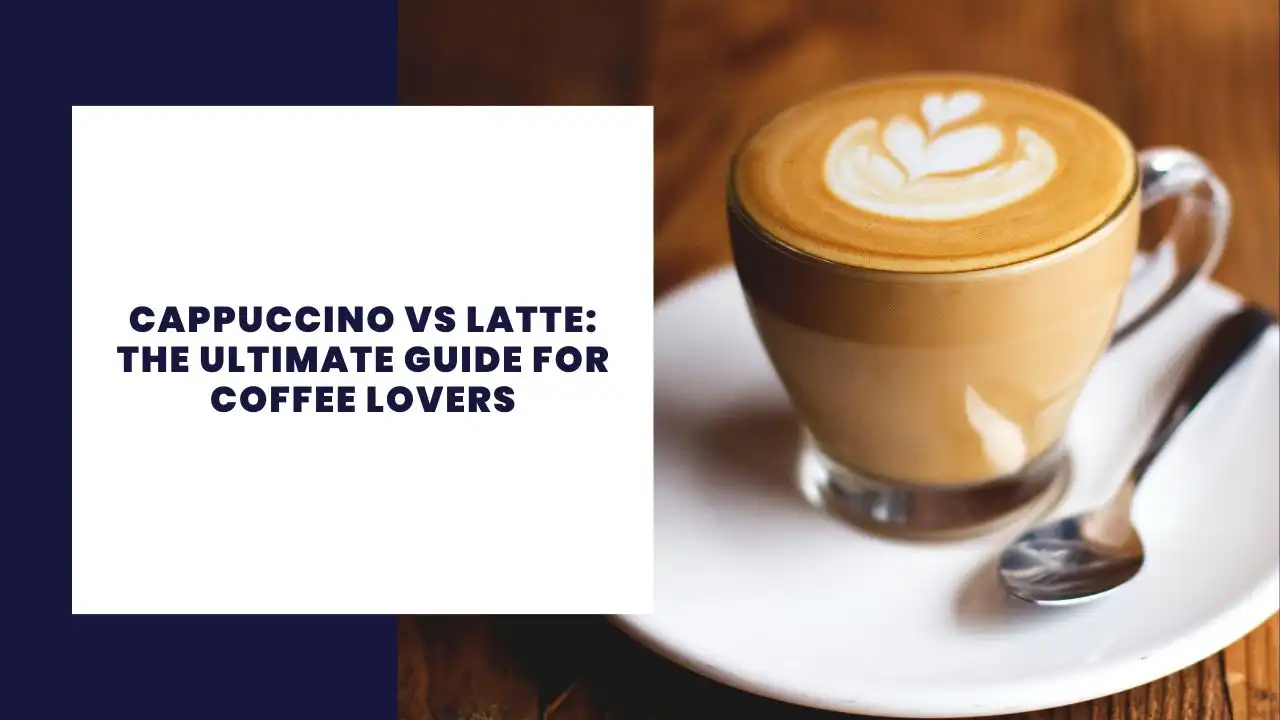
Cappuccino vs Latte: The Ultimate Guide for Coffee Lovers
For those who enjoy the nuances of espresso-based drinks, the cappuccino and the latte are two favorites. Both are made with espresso, steamed milk, and foam, yet they offer distinct flavors and textures. If you’ve ever wondered about the difference between a latte and a cappuccino, this guide will break down everything you need to know about these two popular drinks.
Written by
- Redaction Team
- Body, Healing Foods, Personal Development
Table of Contents
The Basics of Cappuccino and Latte

Both cappuccino and latte are espresso-based drinks, but their unique preparation and milk ratios create significant differences. Let’s dive into the details that set these coffee drinks apart.
Cappuccino
A cappuccino is known for its strong coffee flavor, a rich layer of froth, and equal parts espresso, steamed milk, and milk foam. The foam is typically thicker than that of a latte, giving the cappuccino its distinct creamy, frothy texture.
- Milk Ratio: Cappuccino has a balanced mix of 1/3 espresso, 1/3 steamed milk, and 1/3 milk foam.
- Texture: Rich and creamy with a dense layer of froth.
- Serving Size: Traditionally served in smaller cappuccino cups, usually around 6 ounces.
- Flavor Profile: Cappuccino has a robust espresso flavor due to less milk and a thicker layer of foam on top.
Latte (Caffe Latte)
A latte, or “caffe latte,” is a milkier coffee drink with a silky texture. It’s typically made with one shot of espresso and a larger quantity of steamed milk, finished with a light layer of foam on top.
- Milk Ratio: A latte consists of 1/4 espresso, 3/4 steamed milk, and a thin layer of foam.
- Texture: Smooth and creamy with microfoam that creates a velvety feel.
- Serving Size: Generally served in larger cups or mugs, around 8-12 ounces.
- Flavor Profile: Lattes have a milder coffee taste due to the higher milk content, making them creamier and less intense than cappuccinos.
Key Differences Between Cappuccino and Latte
When deciding between a cappuccino and a latte, coffee lovers and the barista often consider several beverage factors, including texture, taste, and appearance. Here’s a quick look at the primary distinctions:
1. Coffee-to-Milk Ratio
The amount of milk and foam used in each drink affects both the flavor and texture.
- Cappuccino: Equal parts espresso, steamed milk, and foam.
- Latte: More steamed milk than espresso and only a light layer of foam.
2. Froth and Foam
The foam layers on these two drinks differ in both thickness and texture.
- Cappuccino: Thick, airy foam that creates a frothy top layer.
- Latte: Light layer of microfoam, which is smooth and less foamy than a cappuccino.
3. Flavor and Intensity
The difference in milk quantity changes the intensity of the coffee flavor in each drink.
- Cappuccino: More intense espresso flavor due to less milk.
- Latte: Milder and creamier, as it’s mostly milk with a touch of espresso.
How to Make a Cappuccino
Creating a perfect cappuccino requires attention to each layer—espresso, steamed milk, and foam.
Steps to Make a Cappuccino
- Brew Espresso: Use one shot of espresso as the base.
- Steam Milk: Steam milk until it creates a dense foam, making sure to reach a consistency that is both velvety and airy.
- Layer the Milk: Pour the steamed milk over the espresso, then top it with a thick layer of foam.
- Serve: Traditionally served in a 6-ounce cup, sometimes topped with a sprinkle of cocoa or cinnamon.
How to Make a Latte
Lattes are simpler to make than cappuccinos and focus more on steamed milk.
Steps to Make a Latte
- Brew Espresso: Start with a single shot of espresso.
- Steam Milk: Steam milk to create a small amount of microfoam, ensuring the milk is silky and smooth.
- Pour and Serve: Pour the steamed milk over the espresso, finishing with a thin layer of foam.
- Add Latte Art: Baristas often add latte art to a latte due to the smooth microfoam texture, making it the perfect canvas for intricate designs.
Cappuccino vs. Latte: Taste and Texture Comparison
Cappuccino
- Taste: Rich, bold, and slightly bitter with a pronounced coffee flavor.
- Texture: Creamy with a thick, foamy layer on top.
- Ideal For: Coffee drinkers who prefer a strong coffee flavor with a creamy texture.
Latte
- Taste: Milder coffee flavor, smooth, and creamy.
- Texture: Velvety with a light, frothy finish.
- Ideal For: Those who enjoy milkier drinks with a subtle coffee taste.
Cappuccino vs Latte: Quick Comparison Table
| Characteristic | Cappuccino | Latte |
|---|---|---|
| Coffee-to-Milk Ratio | 1/3 espresso, 1/3 steamed milk, 1/3 foam | 1/4 espresso, 3/4 steamed milk, thin foam |
| Foam Layer | Thick and airy | Light and silky |
| Texture | Frothy and creamy | Smooth and velvety |
| Flavor | Strong espresso taste | Creamier, more milk-forward |
| Serving Size | 6 ounces | 8-12 ounces |
| Typical Presentation | Small cup, sometimes with cocoa on top | Larger mug, often with latte art |
Other Espresso-Based Drinks: Mocha, Macchiato, and Flat White
Both cappuccino and latte are espresso drinks, but they’re not the only ones. Here’s how a few other popular drinks compare:
- Flat White: Similar to a latte but with a higher ratio of espresso to milk. It’s creamier and has a velvety texture due to a thin layer of microfoam.
- Macchiato: Espresso topped with a small amount of frothy milk. It has a strong coffee flavor and minimal milk.
- Mocha Latte: Essentially a latte with added chocolate syrup or powder, giving it a sweeter, dessert-like taste.
Choosing the Right Coffee Drink: Cappuccino vs. Latte
So, how do you know whether to order a cappuccino or a latte? It comes down to personal taste preferences and the kind of coffee experience you want.
Choose a Cappuccino if You:
- Prefer a Stronger Coffee Flavor: Cappuccinos have a more intense espresso taste.
- Enjoy a Frothy Texture: Cappuccinos have a thicker layer of foam, creating a frothy, creamy mouthfeel.
- Like Smaller Portions: Cappuccinos are typically served in smaller cups, which may appeal to those who don’t want too much milk in their drink.
Choose a Latte if You:
- Like Creamier Coffee Drinks: With more steamed milk, lattes are creamier and smoother.
- Appreciate Latte Art: The silky texture of lattes allows baristas to create beautiful latte art on top.
- Prefer a Milder Coffee Flavor: Lattes have a subtle coffee taste that’s ideal for those who prefer a less intense flavor.
How to Make These Drinks at Home
With an espresso machine, you can easily make cappuccinos and lattes in the comfort of your home. Here’s what you’ll need:
- Ingredients: Espresso, whole milk (for better frothing), and optional toppings like cocoa powder for cappuccinos or syrups for lattes.
- Equipment: Espresso machine with a steam wand, or use a milk frother if you don’t have a steam wand.
Frequently Asked Questions
1. What’s the difference between a latte and a cappuccino in terms of milk content?
- A latte has more steamed milk, creating a creamier, milkier drink. A cappuccino has equal parts steamed milk and foam, which makes it less milky and more frothy.
2. Can I make these drinks without an espresso machine?
- Yes, while an espresso machine is ideal, you can use strong brewed coffee as a substitute for espresso and a milk frother or jar to froth milk.
3. Do cappuccinos and lattes have different caffeine levels?
- Typically, both drinks contain the same amount of caffeine if they have one shot of espresso, but the caffeine may feel stronger in a cappuccino due to less milk dilution.
Conclusion
Whether you’re a fan of the bold and frothy cappuccino or the smooth and creamy latte, both drinks offer unique flavors and experiences for coffee lovers. So next time you’re at a cafe or using your espresso machine at home, you can confidently choose between a latte and a cappuccino, knowing the key differences that make each one special. Enjoy your coffee journey!
More about Healing Foods


