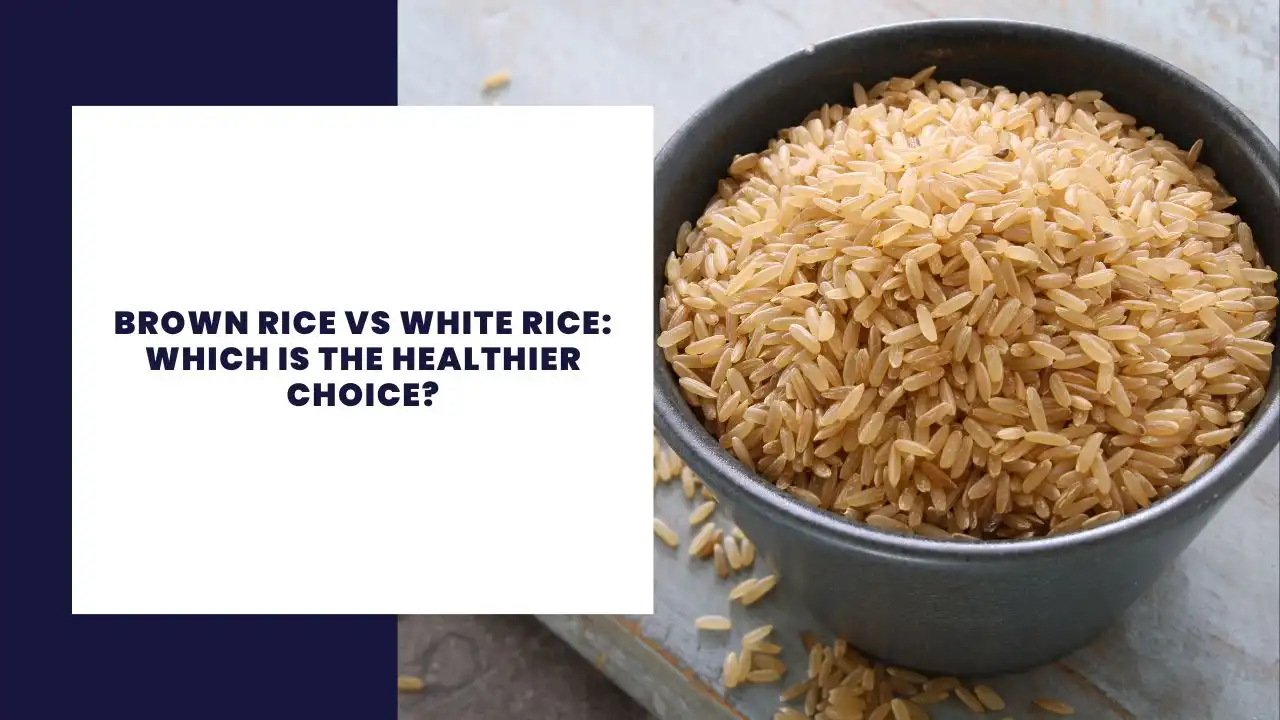
Brown Rice vs White Rice: Which is the Healthier Choice?
Rice is a staple food across cultures and cuisines, feeding billions worldwide. With so many varieties of rice, it’s natural to wonder whether brown rice or white rice is the better option for your diet. Each type of rice has unique characteristics, nutrients, and potential health benefits, making it important to understand their differences.
At their core, brown rice and white rice come from the same grain. The difference lies in how they are processed:
Brown Rice:
A whole grain that retains the bran, germ, and endosperm.
Rich in fiber and nutrients like magnesium, manganese, and B vitamins.
Known for its nutty flavor and chewy texture.
White Rice:
The bran and germ are removed during milling, leaving only the starchy endosperm.
Lighter texture and faster cooking time compared to brown rice.
Often enriched with vitamins like folic acid and iron to replace nutrients lost in processing.
Nutritional Profile of Brown Rice vs White Rice
Brown Rice Contains:
More Fiber: With about 3.5 grams per cup of cooked brown rice, it supports digestive health and promotes satiety.
Whole Grain Nutrients: Brown rice is a whole grain and retains the bran and germ, which are rich in antioxidants and essential vitamins.
Magnesium and Selenium: Essential minerals that support overall health and may help reduce the risk of type 2 diabetes.
White Rice Also Offers:
Ease of Digestion: With its lower fiber content, white rice is often preferred for those with digestive issues or during recovery from illness.
Quick Cooking Time: Cooked white rice is ready in less time compared to its brown counterpart.
Fortification: Many types of white rice are enriched with nutrients like iron and folic acid, making them beneficial in regions with nutrient deficiencies.
Health Benefits of Brown Rice
1. Lower Glycemic Index
Brown rice has a lower glycemic index than white rice, meaning it causes a slower rise in blood sugar levels. This is especially important for individuals managing type 2 diabetes or those aiming for better blood sugar control.
2. Improved Digestive Health
The fiber in brown rice promotes healthy digestion and regular bowel movements. Eating whole grains like brown rice can also support a balanced gut microbiome.
3. Nutritional Advantages
The bran of brown rice is packed with antioxidants, while the germ provides healthy fats and essential vitamins. Health benefits of brown rice extend to heart health, weight management, and reduced inflammation.
Potential Drawbacks of Both Types
Brown Rice:
Cooking Time: Brown rice takes longer to cook than white rice. Soaking brown rice before cooking can reduce this time and improve its texture.
Antinutrients: The bran contains phytic acid, which may inhibit nutrient absorption.
White Rice:
Lower Nutrient Content: Compared to brown rice, white rice lacks the health benefits of whole grains due to the removal of the bran and germ.
Higher Glycemic Index: This can lead to quicker spikes in blood sugar levels, especially for individuals eating white rice in large quantities.
Brown Rice vs White Rice: Which is Better for You?
Considerations for Choosing:
Health Goals:
To boost fiber intake and support long-term health, eat brown rice as part of a balanced diet.
For quick energy or easy digestion, white rice can be a practical choice.
Cooking Needs:
If time is limited, white rice over brown rice might be more convenient.
When texture matters, chewier than white rice options like brown rice or even wild rice could be more satisfying.
Dietary Restrictions:
For individuals with diabetes, choosing brown rice or eating white rice in moderation is often recommended.
White Rice vs Brown Rice: A Balanced Perspective
There’s no denying that brown rice has many health benefits, but white rice also plays an important role in global diets. Both can be part of a healthy diet when consumed in moderation. To maximize health outcomes:
Opt for whole grains like brown rice whenever possible.
Pair white rice with fiber-rich vegetables and proteins to balance its glycemic impact.
Try different rice varieties, such as red rice, wild rice, or black rice, for added variety and nutrients.
Final Thoughts: Brown or White Rice?
When comparing brown rice versus white rice, the best choice depends on individual needs and preferences. Whether you prefer brown or white rice, aim to include rice as part of a healthy diet while balancing it with other nutrient-dense foods.
Experiment with soaking brown rice before cooking, blending brown and white rice, or trying cooked brown rice in recipes to enjoy its benefits without compromising taste or convenience. With so many benefits of rice in general, it’s easy to make this versatile grain work for your lifestyle.
We use cookies on our website to give you the most relevant experience by remembering your preferences and repeat visits. By clicking “Accept”, you consent to the use of ALL the cookies.
This website uses cookies to improve your experience while you navigate through the website. Out of these, the cookies that are categorized as necessary are stored on your browser as they are essential for the working of basic functionalities of the website. We also use third-party cookies that help us analyze and understand how you use this website. These cookies will be stored in your browser only with your consent. You also have the option to opt-out of these cookies. But opting out of some of these cookies may affect your browsing experience.
Necessary cookies are absolutely essential for the website to function properly. This category only includes cookies that ensures basic functionalities and security features of the website. These cookies do not store any personal information.
Any cookies that may not be particularly necessary for the website to function and is used specifically to collect user personal data via analytics, ads, other embedded contents are termed as non-necessary cookies. It is mandatory to procure user consent prior to running these cookies on your website.