
10 Benefits of Electric Cars
Electric cars, electric vehicles EVs have gained considerable attention in recent years as the world looks for sustainable and eco-friendly modes of transportation.
They not only offer environmental advantages, but also provide significant cost savings and contribute to better health. Additionally, the future of electric vehicles looks promising, with advancements in technology and increasing popularity among consumers.
Written by
- Redaction Team
- Business Technology, Entrepreneurship
Table of Contents
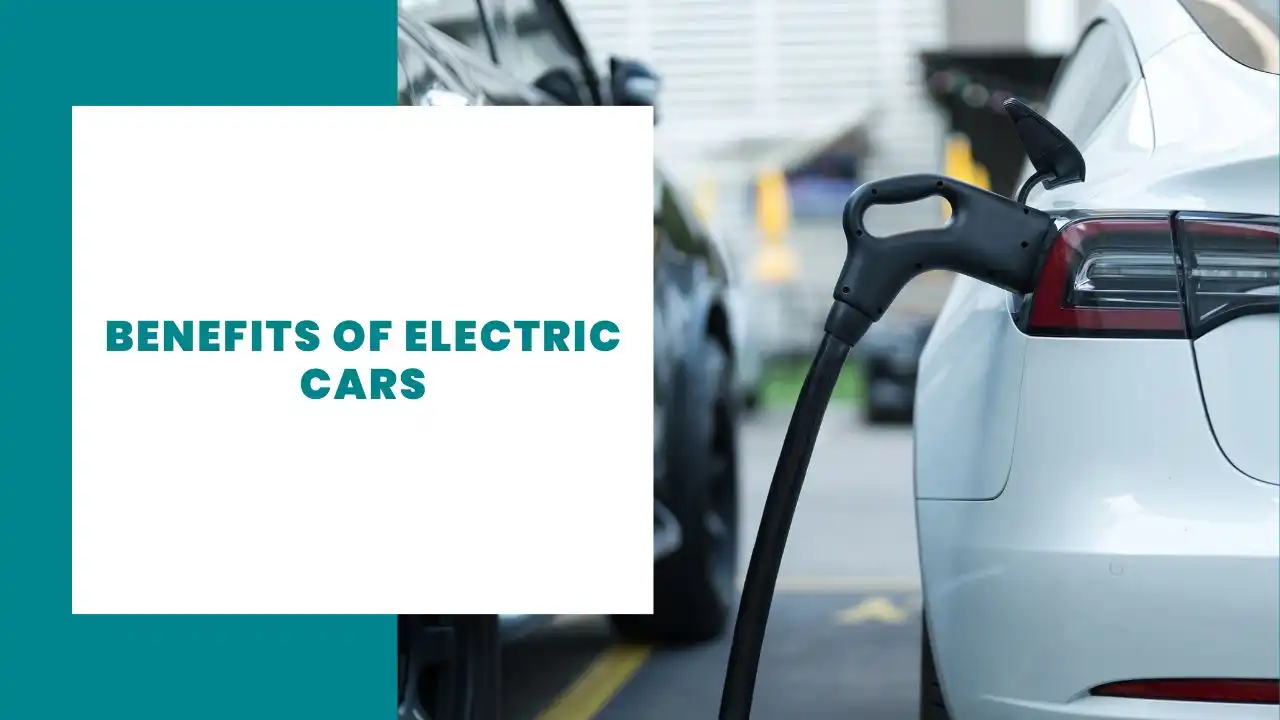
Benefits of Electric Cars
- Reduced Greenhouse Gas Emissions: One of the primary benefits of electric cars is their lower environmental impact compared to traditional internal combustion engine vehicles. Electric cars produce little to no tailpipe emissions, reducing greenhouse gas emissions and air pollution, particularly in urban areas.
- Energy Efficiency: Electric cars are generally more energy-efficient than traditional vehicles powered by internal combustion engines. They convert a higher percentage of the electrical energy from the grid to power at the wheels, contributing to overall energy conservation.
- Lower Operating Costs: Electric cars often have lower operating costs than traditional vehicles. They have fewer moving parts, which means less maintenance is required. Additionally, electricity tends to be cheaper than gasoline, resulting in potential savings for drivers.
- Government Incentives: Many governments around the world offer incentives to encourage the adoption of electric vehicles. These incentives may include tax credits, rebates, or other financial perks, making electric cars more financially attractive for consumers.
- Quiet Operation: All-Electric cars are generally quieter than traditional vehicles because they lack a traditional internal combustion engine. This can lead to reduced noise pollution in urban environments and contribute to a more pleasant driving experience.
- Improved Air Quality: Since electric cars produce no tailpipe emissions, they contribute to better air quality, especially in urban areas where air pollution is a significant concern. This has potential public health benefits by reducing respiratory and cardiovascular issues associated with poor air quality.
- Energy Independence: Electric cars can be charged using a variety of energy sources, including renewable energy such as solar or wind power. This diversity in energy sources can contribute to energy independence and a more resilient energy infrastructure.
- Technological Innovation: The development and adoption of electric vehicles drive technological innovation in the automotive industry. This innovation can lead to advancements in battery technology, plug-in charging infrastructure, and overall vehicle efficiency.
- Reduced Dependence on Fossil Fuels: By shifting to electric cars, there is a reduced reliance on fossil fuels, which are finite resources. This transition contributes to sustainability and helps mitigate the environmental impact associated with extracting and burning fossil fuels.
- Enhanced Driving Experience: Electric cars often provide smooth and instant acceleration due to the nature of electric motors. They also have a lower center of gravity, improving stability and handling. These factors contribute to an enhanced driving experience for electric car owners.
What are the Environmental Benefits of Electric Cars?
One of the primary environmental benefits of electric vehicles EV is the reduction in tailpipe emissions. Unlike conventional gasoline vehicles, electric cars produce minimal or zero emissions from their tailpipes, thus contributing to lower levels of air pollution and improved air quality.
Another environmental advantage is the regenerative braking technology utilized in electric cars. This innovative technology allows the vehicle to recover and store energy normally wasted during braking, thereby increasing energy efficiency and reducing overall environmental impact.
Furthermore, the climate benefits of electric cars cannot be overlooked. By promoting the use of electricity from renewable sources such as wind or solar power, electric vehicles help to significantly reduce greenhouse gas emissions and combat climate change.
How do Electric Cars Save Money?
Electric cars offer substantial cost savings, starting with their lower maintenance costs. With fewer moving parts compared to internal combustion engine vehicles, electric cars generally require less maintenance and are known for their reliability and longevity.
Furthermore, buyers of electric cars can benefit from tax credits for electric vehicles. Many governments provide incentives and tax credits to encourage the adoption of electric vehicles, making them more financially appealing to consumers.
In addition, electric cars offer significant reductions in fuel costs. By relying on electricity to power the vehicle, drivers can significantly save on fuel expenses, especially as the cost of electricity tends to be lower than gasoline on a per-mile basis. Of course, this means EV owners will need qualified electricians in Dee Why to install an EV charger at home.
What are the Health Benefits of Electric Cars?
Electric cars contribute to cleaner air and better health by reducing air pollution. The absence of tailpipe emissions in electric vehicles helps to improve air quality, leading to numerous health benefits for individuals and communities.
Moreover, electric cars contribute to reduced noise pollution as they operate more quietly than traditional gasoline-powered vehicles. This reduction in noise pollution has positive implications for public health and well-being.
Additionally, the decreased harmful emissions from electric vehicles have a direct impact on improving public health outcomes, including reducing the incidence of respiratory and cardiovascular diseases associated with air pollution from internal combustion engine vehicles.
What is the Future of Electric Vehicles?
The future of electric vehicles looks promising with ongoing advancements in electric vehicle technology. Manufacturers are continually improving the efficiency, range, and performance of electric cars, making them a viable and attractive option for consumers.
Moreover, the increasing popularity of electric cars is evident, with more consumers choosing electric and hybrid models over conventional gasoline vehicles. As technology continues to evolve, electric vehicles are likely to become the mainstream choice for environmentally conscious and cost-conscious consumers.
Furthermore, electric vehicles are expected to have a significant impact on gasoline and combustion engines, potentially leading to a gradual shift away from traditional internal combustion engine vehicles in favor of electric and hybrid alternatives.
Why are Electric Cars Gaining Popularity?
The increasing popularity of electric cars can be attributed to the commitment of automakers to electric vehicles. Many leading automakers are investing heavily in electric vehicle technology and production, signaling a strong commitment to sustainable transportation.
Public interest in sustainable transportation is also driving the adoption of electric vehicles. As environmental awareness grows, more consumers are choosing electric cars as a means to reduce their carbon footprint and contribute to a cleaner and healthier environment.
Moreover, the growing infrastructure for electric cars is making it more convenient and practical for consumers to drive electric. The expanding network of charging stations and investment in public charging infrastructure are key factors in the increasing acceptance and adoption of electric vehicles.
More about Business Technology