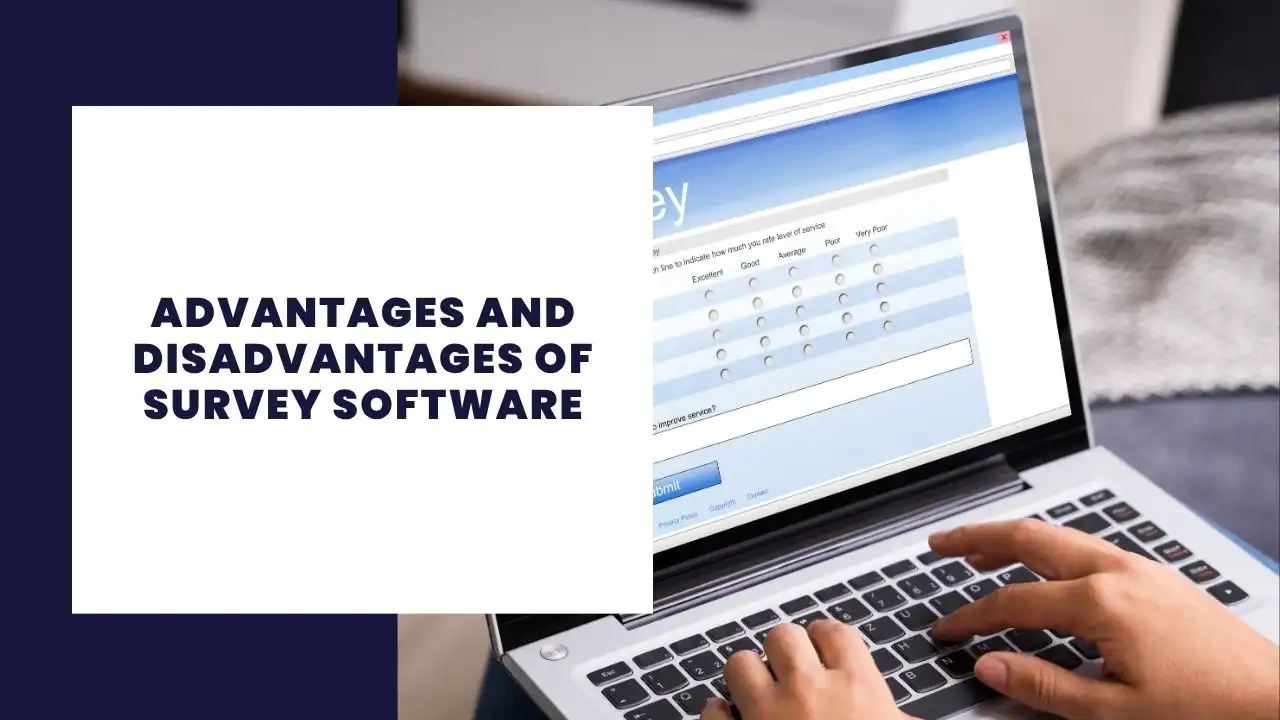
Survey software has become an essential tool for businesses, researchers, and organizations seeking to gather data efficiently and accurately. By automating the process of creating, distributing, and analyzing surveys, this technology has transformed how feedback is collected and utilized. However, like any tool, survey software comes with its own set of strengths and weaknesses that impact its effectiveness in different contexts.
What is Survey Software?
Survey software is a digital platform designed to create, distribute, and analyze surveys and questionnaires. It allows users to design custom surveys with various question types such as multiple choice, rating scales, open-ended responses, and more. These surveys can be shared via email, social media, websites, or embedded in apps, making it easier to reach a wide audience. The software typically includes analytics tools that help interpret the collected data, generate reports, and visualize results.
The main purpose of survey software is to streamline the data collection process, reduce manual effort, and improve the quality of insights gained from survey responses. It is widely used in market research, customer satisfaction measurement, employee engagement studies, academic research, and other areas where understanding opinions and behaviors is crucial.
Advantages of Survey Software
1. Ease of Use and Accessibility
Survey software is designed to be user-friendly, allowing individuals with minimal technical expertise to create and distribute surveys. The intuitive interfaces and drag-and-drop features simplify survey design. Additionally, many platforms are cloud-based, enabling access from any device with an internet connection. This accessibility increases participation rates as respondents can complete surveys conveniently on computers, tablets, or smartphones.
2. Cost-Effectiveness
Compared to traditional paper surveys or in-person interviews, survey software significantly reduces costs. There are no printing, mailing, or data entry expenses involved. Many software options offer tiered pricing plans, including free versions with basic features, making it affordable for startups and small organizations.
3. Speed and Efficiency
Survey software accelerates the entire process from creation to data analysis. Surveys can be distributed instantly to a large audience, and responses are collected in real-time. Automated data compilation eliminates the need for manual entry, allowing quicker access to results and faster decision-making.
4. Customization and Flexibility
Users can tailor surveys to suit specific needs by choosing from various question types, branching logic, and personalized branding options. This flexibility allows for more targeted data collection and enhances respondent engagement.
5. Advanced Data Analysis Tools
Many survey software platforms include integrated analytics features such as cross-tabulation, filtering, and visualization tools. These help users identify trends, patterns, and correlations within the data without requiring external software.
6. Increased Response Rates
Features like mobile optimization, email reminders, and incentives integrated within the software can boost response rates. Survey software also enables anonymous responses, encouraging honesty and openness among participants.
7. Data Accuracy and Reliability
Automated data collection reduces human error during data entry and processing. Validation features can ensure that responses meet specific criteria, improving the overall quality of the dataset.
Disadvantages of Survey Software
1. Dependence on Internet and Technology
Survey software requires internet access for both the creator and respondents. In regions with limited connectivity or among populations less comfortable with digital tools, this can restrict participation and skew results.
2. Limited Personal Interaction
Surveys conducted through software lack the personal touch of face-to-face interviews or phone surveys. This absence can result in misinterpretation of questions, reduced engagement, and less detailed responses.
3. Risk of Survey Fatigue
With the ease of distributing surveys, respondents may receive multiple invitations, leading to fatigue and lower response quality. Overuse of survey software can diminish participant motivation and increase dropout rates.
4. Privacy and Security Concerns
Collecting sensitive information via online surveys raises concerns about data privacy and security. Users must ensure that the software complies with regulations such as GDPR and employs robust security measures to protect respondent data.
5. Potential for Bias
Poorly designed surveys can introduce bias through leading questions or inappropriate response options. While software offers customization, it cannot inherently guarantee the quality of survey design or the validity of responses.
6. Cost of Advanced Features
While basic plans are affordable or free, more advanced functionalities like detailed analytics, large respondent limits, or integrations with other tools often come at a higher price. This can be a barrier for smaller organizations needing comprehensive features.
7. Technical Issues and Learning Curve
Despite user-friendly interfaces, some survey software may have a learning curve, especially for complex survey designs. Technical glitches or platform limitations can also disrupt the survey process and frustrate users.
Comparison Table of the Pros and Cons of Survey Software
| Advantages | Disadvantages |
|---|---|
| Easy to use and accessible | Requires reliable internet connection |
| Cost-effective compared to traditional methods | Limited personal interaction with respondents |
| Fast distribution and real-time data collection | Risk of survey fatigue among participants |
| Highly customizable and flexible | Privacy and security concerns |
| Integrated advanced data analysis tools | Potential bias from poor survey design |
| Higher response rates through reminders and mobile optimization | Costly advanced features beyond basic plans |
| Improved data accuracy and reliability | Possible technical issues and learning curve |
The Future of Survey Software
Survey software continues to evolve rapidly, driven by advances in artificial intelligence, machine learning, and data analytics. Future platforms are expected to offer even more sophisticated features such as predictive analytics, automated sentiment analysis, and adaptive survey designs that change based on respondent behavior. Integration with other digital tools like CRM systems and social media platforms will enhance data collection and utilization.
Moreover, improvements in mobile technology and offline survey capabilities will address connectivity challenges, broadening the reach of survey software. Privacy and data protection will remain a top priority, with stricter compliance measures and enhanced encryption methods becoming standard.
The rise of voice-activated surveys and more interactive formats will also improve engagement and response quality. As organizations increasingly rely on data-driven insights, survey software will play a crucial role in providing timely, accurate, and actionable information.
FAQs About Survey Software
1. Can survey software be used for academic research?
Yes, many academic institutions and researchers use survey software to collect data for studies. These platforms provide tools to design rigorous surveys and analyze results efficiently.
2. Is it possible to customize the look and feel of surveys?
Most survey software allows extensive customization, including branding, color schemes, logos, and question formats, to align with organizational identity.
3. How secure is the data collected through survey software?
Security varies by provider, but reputable survey software includes encryption, secure servers, and compliance with data protection regulations to safeguard respondent information.
4. Can I analyze survey data within the software?
Yes, many platforms offer built-in analytics features such as charts, filters, and export options, enabling users to interpret data without external tools.
5. What happens if respondents do not complete the survey?
Incomplete responses are common; some software allows partial data saving, while others provide reminders or incentives to encourage completion.
Conclusion of Advantages and Disadvantages of Survey Software
Survey software offers a powerful solution for collecting and analyzing data efficiently across various fields. Its ease of use, cost-effectiveness, and advanced analytics capabilities make it an attractive option for many organizations. However, challenges such as dependence on technology, privacy concerns, and potential biases must be carefully managed. Understanding these advantages and disadvantages enables users to select the right software and design effective surveys that yield valuable insights. As technology advances, survey software will become even more integral to data-driven decision-making processes, provided that users remain vigilant about ethical and technical considerations.