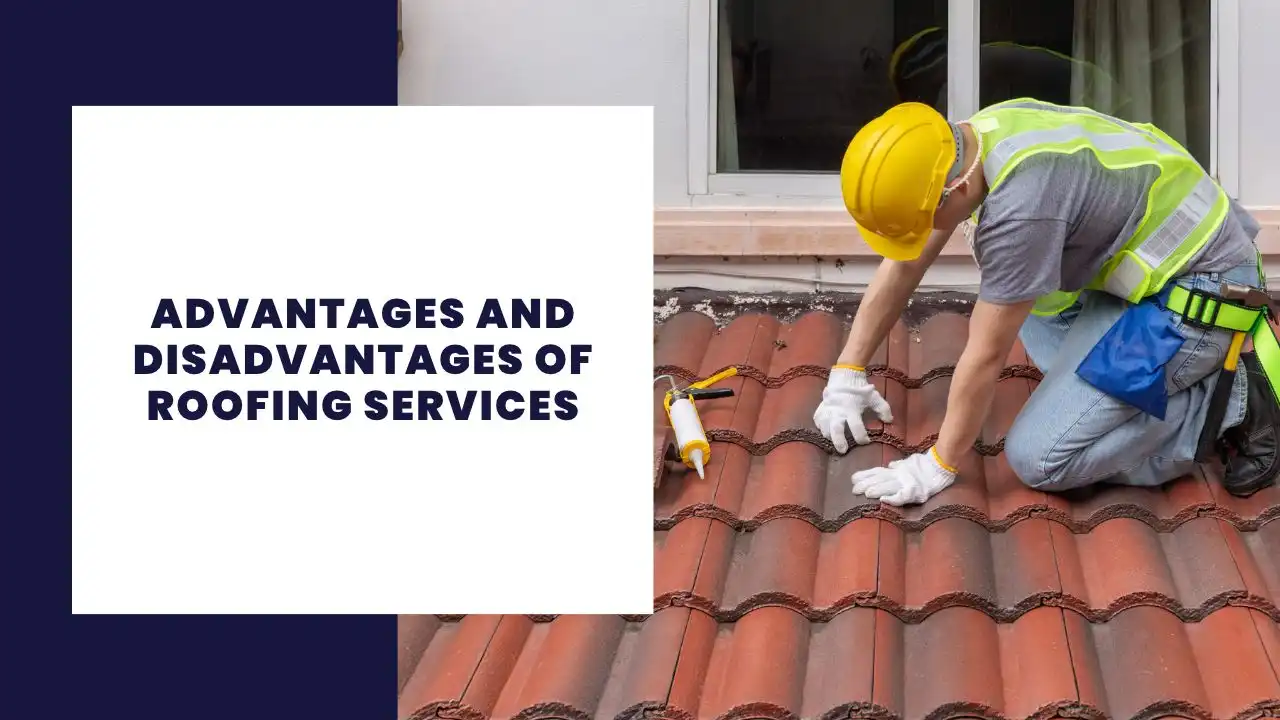
Roofing services play a vital role in maintaining the structural integrity and aesthetic appeal of residential and commercial buildings. Whether you’re installing a new roof, repairing an existing one, or replacing an old roof, understanding the benefits and potential drawbacks of roofing services can help you make informed decisions. Investing in quality roofing is crucial for protecting your property from weather elements, enhancing energy efficiency, and increasing property value. However, like any service, roofing also comes with its challenges. This comprehensive guide delves into the key advantages and disadvantages of roofing services to help homeowners and property managers navigate their options effectively.
What is Roofing Services
Roofing services encompass a wide range of tasks related to the installation, repair, maintenance, and replacement of roofs. These services are provided by professional roofing contractors who possess the expertise, tools, and materials necessary to ensure that roofs are durable, weather-resistant, and compliant with safety standards. Roofing services can involve different types of materials such as asphalt shingles, metal, tiles, or rubber membranes, each suited for various architectural styles and environmental conditions. The primary goal of roofing services is to safeguard the building’s interior from external elements while maintaining energy efficiency and visual appeal.
Advantages of Roofing Services
1. Enhanced Protection Against Weather Elements
One of the most significant benefits of professional roofing services is the improved protection they provide against weather conditions like rain, snow, wind, and hail. A well-installed roof acts as a barrier, preventing water infiltration that could lead to interior damage, mold growth, and structural issues. Roofing experts ensure that the materials used are appropriate for the climate, and the installation is airtight, reducing vulnerability to the elements.
2. Increased Property Value
A new or well-maintained roof can significantly boost the value of a property. Potential buyers often consider the condition of the roof when assessing a home or commercial building. Investing in quality roofing services not only enhances curb appeal but also assures prospective buyers of the property’s durability and safety. This can lead to higher resale prices and quicker sales.
3. Improved Energy Efficiency
Proper roofing installation and maintenance can contribute to better insulation, reducing the need for excessive heating or cooling. Roofing services often include insulation upgrades and sealing techniques that minimize air leaks, leading to lower energy bills. This benefit is especially important in regions with extreme temperatures, where efficient roofs can make a notable difference in comfort and costs.
4. Longevity and Durability
Professional roofing services utilize high-quality materials and expert techniques that extend the lifespan of your roof. Regular inspections, repairs, and maintenance can prevent small issues from escalating into major problems, thus prolonging the roof’s durability. A durable roof provides peace of mind, knowing that your property is protected for many years.
5. Enhanced Aesthetic Appeal
Roofing services offer an opportunity to improve the overall look of a building. With a wide variety of materials, colors, and styles available, homeowners and business owners can customize their roofs to match architectural preferences. A visually appealing roof can significantly enhance the overall aesthetic of the property, making it more attractive and inviting.
6. Cost Savings Over Time
Although roofing services involve upfront costs, they can lead to significant savings in the long run. Timely repairs prevent more extensive damage, avoiding costly replacements. Additionally, energy-efficient roofing reduces utility bills. Investing in quality roofing services initially can thus be a financially sound decision over the lifespan of the building.
7. Safety and Compliance
Professional roofing contractors adhere to safety standards and building codes, minimizing the risk of accidents during installation or repairs. They ensure that the roofing work complies with local regulations, avoiding potential legal issues. Properly installed roofs also provide safety for the occupants, protecting them from falling debris or structural failures.
8. Access to Advanced Materials and Techniques
Roofing professionals stay updated with the latest industry innovations, offering access to advanced materials like cool roofs, solar tiles, or impact-resistant shingles. They also employ modern techniques that improve efficiency and quality. This access ensures that your roofing project benefits from the best available options.
9. Environmental Benefits
Many roofing services now include eco-friendly options such as recyclable materials, reflective coatings, and solar integrations. These environmentally conscious choices can reduce your carbon footprint and contribute to sustainability efforts. Professional contractors can guide you toward greener roofing solutions tailored to your needs.
10. Professional Assessment and Advice
Roofing experts provide valuable insights into the condition of your roof, identifying potential issues before they become serious problems. Their assessments help you plan maintenance schedules and budget for future repairs or replacements. Professional advice ensures that you make informed decisions aligned with your property’s needs.
11. Reduced Stress and Convenience
Hiring experienced roofing services alleviates the stress associated with DIY repairs or unqualified contractors. Professionals handle the entire process efficiently, from planning to cleanup, saving you time and effort. Their expertise ensures the job is done right the first time, providing peace of mind.
12. Warranty and Insurance Coverage
Reputable roofing companies often offer warranties on their work, providing protection against future defects or issues. Additionally, licensed contractors carry insurance, safeguarding you from liability in case of accidents or damages during the project. This coverage offers financial security and peace of mind.
13. Customization and Design Flexibility
Roofing services allow for a variety of design options, enabling customization to match architectural styles and personal preferences. Whether you prefer traditional shingles, modern metal roofs, or eco-friendly materials, professional contractors can help bring your vision to life while ensuring functionality.
14. Increased Safety for Occupants and Workers
Properly installed and maintained roofs contribute to the overall safety of building occupants by preventing leaks, collapses, or structural failures. Roofing professionals also follow safety protocols during installation, protecting their workers and your property.
Disadvantages of Roofing Services
1. High Upfront Costs
One of the primary drawbacks of roofing services is the significant initial investment required. Quality materials and skilled labor come at a price, which may be prohibitive for some property owners. While the long-term benefits can outweigh the costs, the upfront expense can be a barrier.
2. Disruption During Installation or Repairs
Roofing projects often involve noisy equipment, debris, and temporary access restrictions, which can disrupt daily routines. For homeowners, this can mean inconvenience and inconvenience, especially if the work is extensive. Proper planning and communication with contractors can help mitigate these disruptions.
3. Potential for Substandard Work
Not all roofing contractors maintain high standards. Hiring unqualified or inexperienced workers can result in poor installation, leaks, or premature failure of the roof. It’s crucial to choose reputable professionals to avoid costly mistakes and ensure quality workmanship.
4. Weather Dependency
Roofing projects are highly dependent on weather conditions. Rain, snow, or high winds can delay work or compromise the quality of installation. Contractors often need favorable weather to complete projects efficiently, which can extend timelines and increase costs.
5. Maintenance Requirements
While roofing services can prolong the life of a roof, they also require ongoing maintenance. Regular inspections, cleaning, and minor repairs are necessary to keep the roof in optimal condition. This ongoing commitment can be time-consuming and sometimes costly.
6. Environmental Impact
Certain roofing materials, such as asphalt shingles, may have environmental drawbacks due to their manufacturing processes and disposal issues. Additionally, improper disposal of old roofing materials can contribute to environmental pollution. Choosing eco-friendly options can mitigate these concerns but may involve higher costs.
7. Risk of Damage During Installation
During the installation or repair process, there is a risk of accidental damage to the property, such as broken windows, damaged gutters, or landscaping. While professional contractors take precautions, accidents can still occur, leading to additional repair costs.
8. Short-Term Cost Savings with Inferior Materials
Opting for cheaper materials or rushing the installation process can lead to short-term savings but often results in reduced durability and increased maintenance costs. This can ultimately negate initial savings and lead to more significant expenses down the line.
9. Limited Lifespan of Certain Materials
Some roofing materials, such as asphalt shingles, have a relatively shorter lifespan compared to alternatives like metal or tile. This means more frequent replacements or repairs, which can be inconvenient and costly over time.
10. Potential for Over-Purchasing or Over-Repairing
In some cases, homeowners may over-invest in unnecessary upgrades or repairs due to lack of expertise, leading to higher expenses. Professional guidance is essential to determine the most cost-effective and appropriate solutions.
11. Risk of Contractor Fraud or Scams
The roofing industry has instances of unscrupulous contractors who overcharge, perform subpar work, or disappear after completing a project. Due diligence, checking references, and verifying licenses are critical to avoiding scams.
12. Limited Aesthetic Options for Certain Materials
Some roofing materials may have limited color or style options, restricting design flexibility. This can be a disadvantage for homeowners seeking highly customized or unique architectural aesthetics.
13. Potential for Over-Dependence on Contractors
Relying heavily on contractors for maintenance and repairs can lead to a lack of knowledge about roof care. This dependence might result in missed opportunities for early detection of issues or DIY fixes that could save money.
14. Environmental Hazards During Disposal
Disposing of old roofing materials, especially hazardous ones like asbestos or certain chemicals, poses environmental and health risks. Proper disposal procedures must be followed, which can add to the project’s complexity and cost.
Comparison Table of the Pros and of Roofing Services
| Advantages | Disadvantages |
|---|---|
| Enhanced protection against weather elements | High upfront costs |
| Increased property value | Disruption during installation or repairs |
| Improved energy efficiency | Potential for substandard work |
| Longevity and durability | Weather dependency |
| Enhanced aesthetic appeal | Maintenance requirements |
| Cost savings over time | Environmental impact |
| Safety and compliance | Risk of damage |