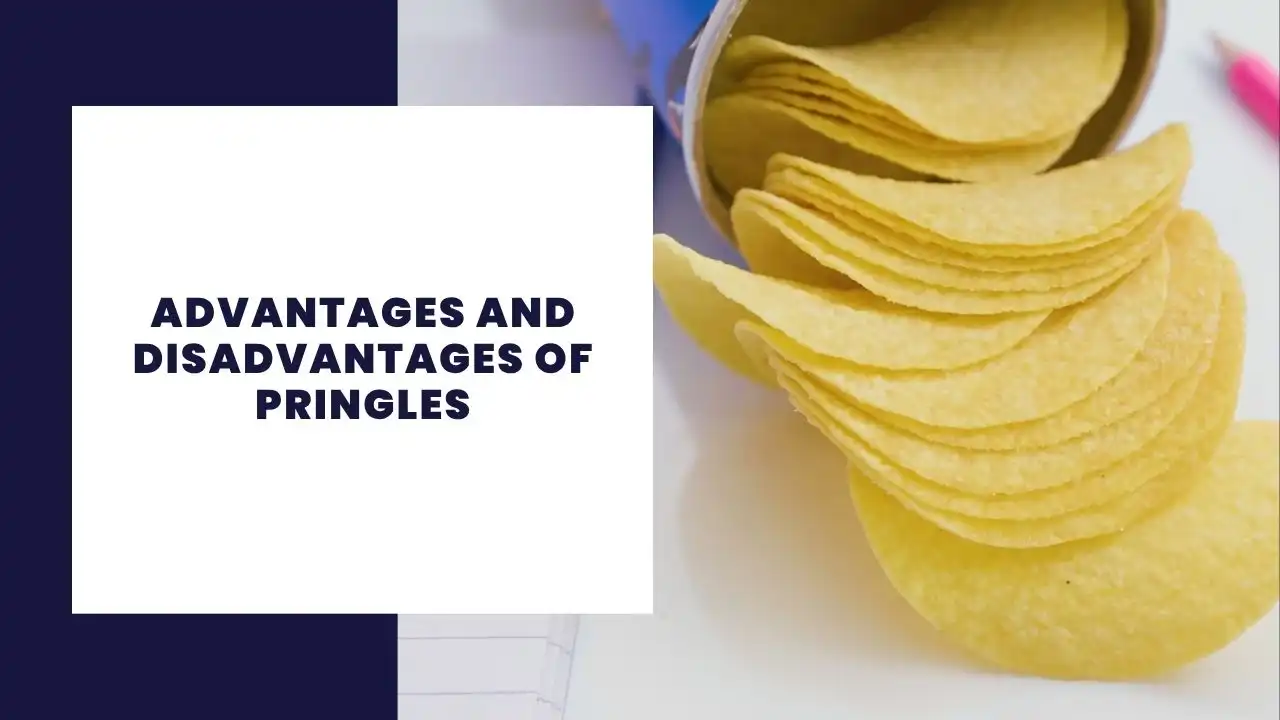
Pringles is a globally recognized snack brand known for its unique shape, packaging, and flavor variety. Since its introduction in the late 1960s, Pringles has become a staple in many households, offering a distinct alternative to traditional potato chips. Like any product, Pringles come with their own set of benefits and drawbacks. Understanding these can help consumers make informed choices about including this popular snack in their diet. This article delves into the key advantages and disadvantages of Pringles, providing a comprehensive overview of what makes this snack both appealing and controversial.
What is Pringles?
Pringles is a brand of potato-based chips manufactured by Kellogg’s. Unlike conventional potato chips, which are sliced directly from potatoes, Pringles are made from a processed potato dough that is formed into a uniform, saddle-shaped chip. This distinctive shape allows the chips to be stacked neatly inside a cylindrical can, making them easily portable and less prone to breaking. Pringles are available in a wide range of flavors, from classic salted to more adventurous options like sour cream and onion or barbecue.
The manufacturing process and packaging of Pringles set them apart from many other snack chips on the market. Their unique composition and design have contributed significantly to their popularity worldwide.
Advantages of Pringles
1. Consistent Shape and Texture
One of the most notable advantages of Pringles is their uniform shape and texture. Because the chips are made from a processed dough rather than sliced potatoes, each chip has the same thickness and crunch. This consistency appeals to consumers who appreciate a reliable eating experience without the irregularities found in traditional potato chips.
2. Convenient Packaging
Pringles are packaged in a cylindrical canister, which protects the chips from breaking and keeps them fresh longer than typical bags. This packaging also makes them easy to store and transport, reducing mess and waste. The sturdy canister is a practical solution for on-the-go snacking.
3. Variety of Flavors
Pringles offers an extensive range of flavors, catering to diverse taste preferences. From classic salted to spicy jalapeño or cheesy variants, the brand continuously innovates to keep consumers interested. This variety allows people to enjoy different taste experiences without switching brands.
4. Longer Shelf Life
Due to their packaging and manufacturing process, Pringles tend to have a longer shelf life compared to traditional chips. The airtight canister helps preserve freshness and flavor over time, making them a good option for stocking up.
5. Portion Control
The uniform size and shape of Pringles make it easier for consumers to estimate serving sizes. This can assist those who are mindful of their snack intake and want to avoid overeating, unlike irregularly sized traditional chips.
6. Less Greasy
Compared to many potato chips, Pringles are often perceived as less greasy. Their manufacturing process involves baking or frying the dough in a way that can reduce excess oil, which some consumers find more appealing.
7. Innovative Marketing and Branding
Pringles has a strong brand identity recognized worldwide. Their marketing strategies, including memorable mascots and catchy slogans, have helped establish a loyal customer base. This brand strength contributes to consumer trust and repeat purchases.
Disadvantages of Pringles
1. Highly Processed Ingredients
One of the main criticisms of Pringles is that they are highly processed. Unlike traditional potato chips, which are made from sliced potatoes, Pringles contain a mixture of dehydrated potato flakes, corn flour, and various additives. This processing can detract from their perceived naturalness and nutritional value.
2. High Sodium Content
Pringles, like many snack foods, contain significant amounts of sodium. Excessive sodium intake is linked to health issues such as high blood pressure and heart disease. Consumers who need to monitor their sodium consumption may find Pringles less suitable as a regular snack.
3. Potential for Overconsumption
The combination of flavor variety, convenient packaging, and consistent texture can make Pringles highly addictive. This can lead to overeating, which is problematic for those trying to maintain a balanced diet or manage weight.
4. Environmental Concerns with Packaging
While Pringles’ canister protects the chips effectively, it is made from a combination of cardboard, metal, and plastic, making it difficult to recycle. This packaging contributes to environmental waste and raises concerns about sustainability.
5. Limited Nutritional Value
Pringles provide calories primarily from carbohydrates and fats, with little protein or fiber. They lack essential nutrients and vitamins, making them a less nutritious snack option compared to whole foods like fruits or nuts.
6. Allergy Considerations
Some Pringles flavors contain allergens such as dairy, gluten, or soy, which may pose risks for individuals with food allergies or intolerances. Consumers need to carefully check ingredient labels to avoid adverse reactions.
7. Price Point
Compared to generic or store-brand potato chips, Pringles tend to be more expensive. The premium packaging and branding contribute to a higher price, which might deter budget-conscious consumers.
Comparison Table of the Pros and Cons of Pringles
| Advantages | Disadvantages |
|---|---|
| Consistent shape and texture | Highly processed ingredients |
| Convenient and protective packaging | High sodium content |
| Wide variety of flavors | Potential for overconsumption |
| Longer shelf life | Environmental concerns with packaging |
| Helps with portion control | Limited nutritional value |
| Less greasy than some chips | Allergy considerations |
| Strong brand and marketing | Higher price point |
The Future of Pringles
The future of Pringles lies in adapting to evolving consumer preferences and environmental challenges. As health-consciousness grows, there is increasing demand for snacks with cleaner ingredients, reduced sodium, and enhanced nutritional profiles. Pringles has the opportunity to innovate by developing new recipes that emphasize natural ingredients and health benefits.
Sustainability is another critical area for future development. The brand may explore more eco-friendly packaging solutions to reduce environmental impact. Advances in biodegradable materials or recyclable packaging could make Pringles more appealing to environmentally aware consumers.
Additionally, expanding flavor options to include globally inspired or limited-edition varieties can help maintain consumer interest and market relevance. Technological improvements in production may also enhance texture or reduce oil content without compromising taste.
Overall, Pringles’ continued success will depend on balancing taste, convenience, health, and sustainability in response to changing market demands.
FAQs About Pringles
Q1: Are Pringles made from real potatoes?
Pringles are made from a potato-based dough that includes dehydrated potatoes and other ingredients rather than sliced whole potatoes.
Q2: Are Pringles gluten-free?
Some Pringles flavors are gluten-free, but not all. It is important to check the packaging and ingredient list for gluten-containing ingredients.
Q3: How many calories are in a serving of Pringles?
A typical serving of Pringles (about 15 chips) contains roughly 140-150 calories, but this can vary by flavor.
Q4: Is Pringles a healthier option than regular potato chips?
Pringles may contain less oil and fat than some potato chips, but they are still processed and high in sodium. They are not necessarily a healthier snack choice.
Q5: Can Pringles packaging be recycled?
The Pringles canister is made from multiple materials, making it difficult to recycle in most municipal programs. Recycling options may vary by location.
Conclusion of Advantages and Disadvantages of Pringles
Pringles offers a unique snacking experience characterized by consistent texture, convenient packaging, and a wide flavor range. These advantages have contributed to its global popularity and strong brand presence. However, the product’s highly processed nature, high sodium content, and environmental packaging concerns present notable disadvantages. Consumers weighing the pros and cons of Pringles should consider their dietary needs, health goals, and environmental values when deciding whether to include this snack in their routine. As the brand evolves, changes in formulation and packaging may address some of these drawbacks, potentially making Pringles a more balanced choice in the future.