
14 Advantages and Disadvantages of Manila
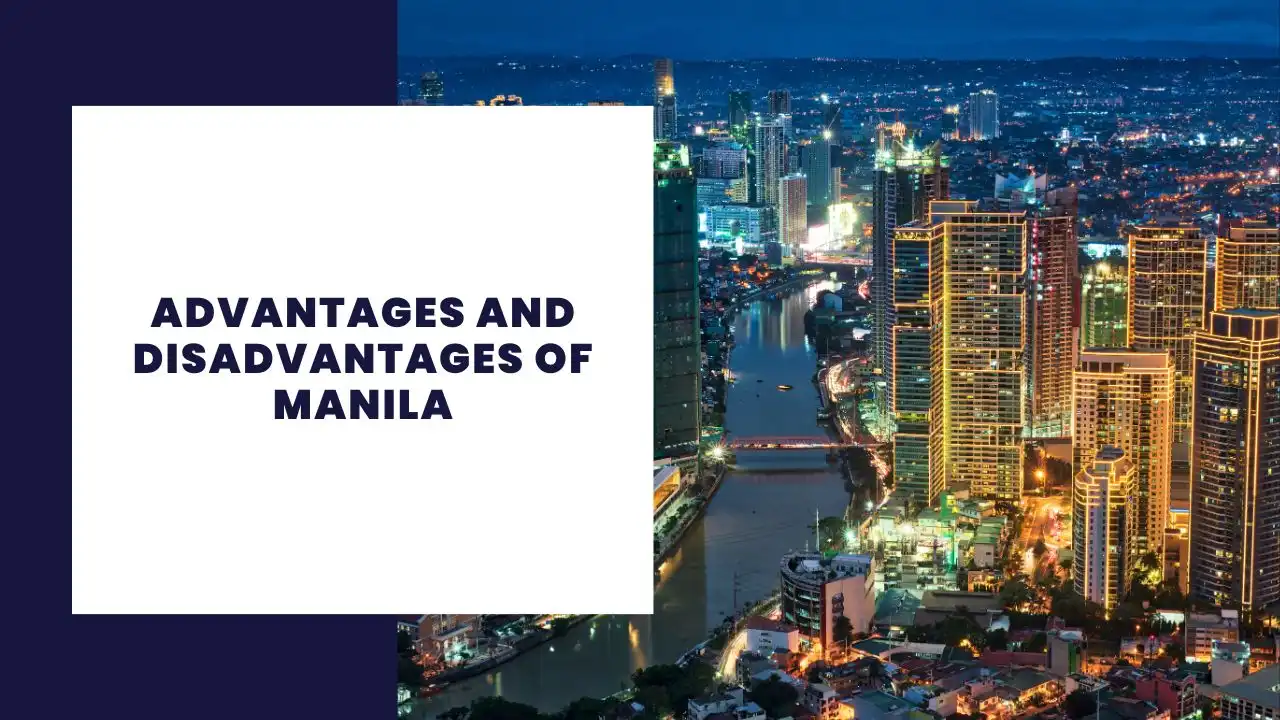
Manila, the bustling capital of the Philippines, is a city that blends colonial charm, rapid urban development, and deep cultural roots.
Whether you’re considering moving to the Philippines as an expat, a digital nomad exploring Southeast Asia, or a foreigner curious about the pros and cons of living in Metro Manila, it’s important to understand both the benefits and the challenges of life in one of the most dynamic cities in the region.
While Manila is home to many opportunities, attractions, and conveniences, it also has its fair share of drawbacks, from traffic and pollution to issues with public infrastructure.
Written by
- Redaction Team
- Entrepreneurship, Remote Work
Table of Contents
Advantages of Manila
1. Lower Cost of Living Compared to Western Countries
One of the most well-known advantages of living in Manila is the low cost of living. Accommodation in the Philippines, especially in areas outside of central business districts, is significantly cheaper than in the US or Europe. Dining out, public transport, and utilities are all more affordable, making it easier for expats and digital nomads to maintain a comfortable lifestyle.
2. Hub of Economic and Career Opportunities
Manila, particularly areas like Makati and Alabang, is the economic heart of the country. For those working in the Philippines or planning to work, Manila offers the most diverse job market. Many multinational companies and startups operate here, especially in sectors like IT, BPO, finance, and digital services.
3. Accessible Healthcare and Private Options
While free public healthcare is available, many foreigners and expats choose private healthcare facilities for better service. Manila has some of the best hospitals and medical specialists in the country. These services are usually more affordable compared to healthcare costs in Western countries.
4. Vibrant Shopping and Entertainment
Manila boasts some of the largest and most luxurious shopping malls in Asia. Malls like SM Mall of Asia and Greenbelt provide shopping, dining, cinemas, and entertainment all under one roof. The mall culture is an integral part of urban life and a favorite weekend activity for many Filipinos.
5. English is Widely Spoken
One of the pros of living in Manila is the ease of communication. English is an official language in the Philippines and is used in business, education, and media. This makes Manila an attractive option for international moving and for tourists and foreigners who don’t speak Filipino.
6. Cultural and Historical Attractions
From Spanish-era churches to museums and heritage buildings, Manila offers a rich glimpse into the country’s history. Intramuros, the historic walled city, and sites like Rizal Park make Manila culturally fascinating, especially for foreigners interested in Philippine history.
7. Friendly and Hospitable People
Filipinos are known for their warmth and hospitality. Most expats find the local people friendly, helpful, and eager to engage. This welcoming environment often makes it easier for foreigners to integrate and feel at home when moving to the Philippines.
Disadvantages of Manila
1. High Levels of Traffic and Congestion
Traffic in Metro Manila, especially during rush hour, is among the worst in Southeast Asia. Commuting short distances can take hours, affecting productivity and quality of life. This is one of the major cons of living in Manila and a major concern when choosing where to live in the city.
2. Pollution and Poor Air Quality
The city struggles with air pollution, especially in densely populated areas. Jeepneys and older vehicles contribute to high emissions, and smog can be a daily issue. The pollution level is one of the significant disadvantages of living in urban areas like Manila compared to more rural areas or cities like Cebu or Palawan.
3. Safety Concerns in Certain Areas
While many neighborhoods, especially gated communities, are safe, some areas in Metro Manila have high crime rates. Petty theft, scams, and gang activity can occur, particularly in overcrowded places. Tourists and foreigners should stay vigilant and informed about which areas to avoid.
4. Infrastructure and Public Transport Challenges
Although public transport options like buses, jeepneys, and trains exist, they can be unreliable and overcrowded. The Manila airport is often congested, and infrastructure across the city struggles to keep up with the growing population. These issues can be frustrating for expats and locals alike.
5. Natural Disasters
The Philippines, including Luzon where Manila is located, is prone to typhoons and earthquakes. During typhoon season, flooding and transportation disruptions are common. This is a major disadvantage when compared to other international cities.
6. Social Inequality and Urban Crowding
Manila highlights the stark contrast between rich and poor. While some areas are highly developed and affluent, others suffer from poverty and inadequate housing. This imbalance can be jarring for those not accustomed to such disparities in city life.
7. Noise and Urban Stress
Living in Manila means dealing with the constant hustle, construction noise, and the density of urban living. For those seeking peace or a slower pace of life, the city can feel overwhelming compared to quieter Philippine cities or rural provinces.
Conclusion of Advantages and Disadvantages of Manila
Manila, as the capital and a major urban center of the Philippines, offers a unique combination of benefits and drawbacks. It provides affordable living, economic opportunities, and a welcoming environment for foreigners and expats. With numerous shopping malls, a dynamic lifestyle, and friendly Filipino people, the city appeals to many digital nomads and international residents.
However, those considering a move to the Philippines must also weigh the pros and cons carefully. Traffic jams, pollution, crime in certain areas, and the risk of natural disasters are part of life in Manila. Understanding these challenges is essential when choosing where to live or whether to make the city your long-term base.
For many, the advantages of living in Manila outweigh the disadvantages—especially when properly prepared. Whether you’re visiting as a tourist or planning to become an expat in Manila, knowing what to expect will help you make the most of your time in Metro Manila and the broader experience of living in the Philippines.
More about Remote Work