
The traditional office isn’t the only place where great work happens anymore. Thanks to technology and a global shift in work culture, building a business you can run from anywhere in the world is more achievable than ever. If you’re creating a location-independent business, you’ll need careful planning, the right tools, and a mindset ready for anything. It blends entrepreneurship with adventure, offering a unique way to build both a career and a life you love. This guide will walk you through the key steps to building a successful mobile business. From the basic ideas to the practical details of life on the road, you’ll find actionable advice to turn your digital nomad dream into a sustainable reality.
The Rise of Location-Independent Work
The idea of working from one fixed spot is quickly becoming old-fashioned. The rise of digital nomadism shows how much culture and technology have changed. Companies are more open to remote work, and fast internet is now available in many parts of the world. This has created the perfect situation for entrepreneurs and freelancers who want to break free from the traditional 9-to-5. The appeal is clear: you can explore new cultures, set your own hours, and find a better work-life balance.
Current 2025 digital nomad trends show that more and more people are choosing this lifestyle, and projections suggest it will keep growing. This workforce is diverse, covering everything from software development and graphic design to marketing and virtual assistance. They all share a business model that doesn’t rely on a physical office. They use digital tools to connect with clients, manage projects, and deliver quality work from anywhere with Wi-Fi. This freedom lets people design their lives around their passions, not just their jobs.
Essential Tools for Remote Operations
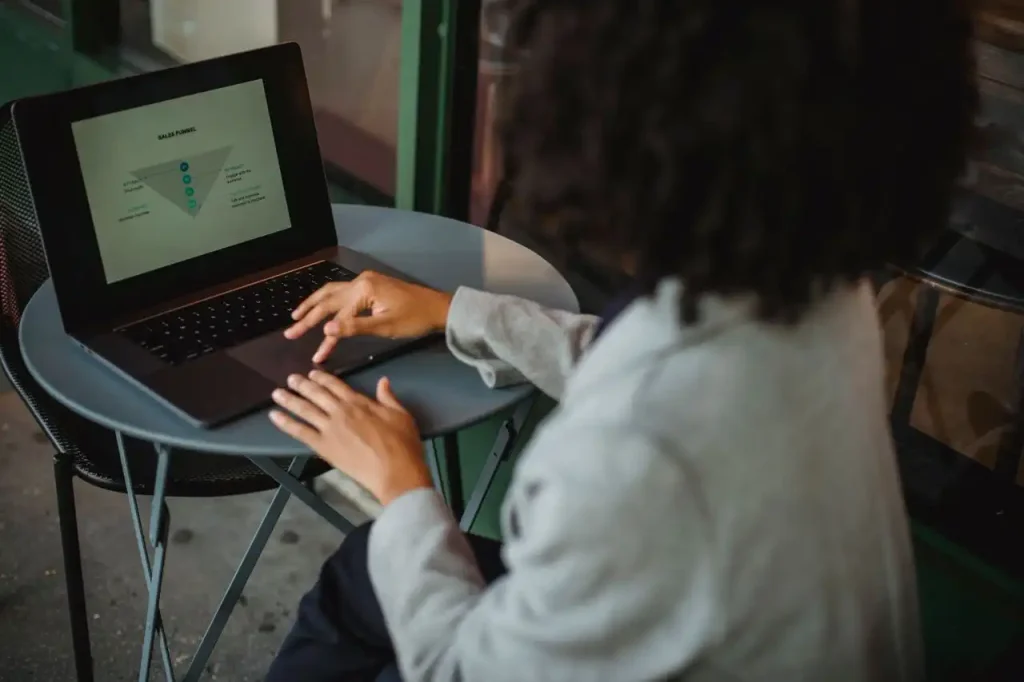
A successful location-independent business needs a strong foundation of digital tools. Your “office” is basically your laptop and an internet connection, so having reliable tech is essential. These tools help you communicate effectively, manage projects efficiently, and handle money smoothly, no matter where you are.
Here are the main types of tools every digital nomad should have:
- Communication: Staying in touch with clients and collaborators is crucial. Video conferencing tools like Zoom and Google Meet are a must for face-to-face meetings. For daily team chat and messages that don’t need an immediate reply, platforms like Slack or Microsoft Teams keep everyone informed without overflowing inboxes. A dependable email client and a professional email address are also fundamental.
- Project Management: To keep your work organized and on schedule, project management tools are essential. Trello offers a visual, card-based system that’s great for tracking tasks through different stages. Asana is another powerful choice, perfect for managing complex projects with many moving parts and team members. These platforms act as a central hub for all your work, helping you meet deadlines and ensure nothing gets missed.
- Cloud Storage and Document Sharing: When you’re always moving, you can’t rely on just one hard drive. Cloud storage services like Google Drive, Dropbox, and OneDrive are vital for storing, sharing, and working on documents together in real time. They give you secure access to your files from any device, offering peace of mind and ensuring your business can keep running even if your laptop is lost or damaged.
- Finance and Payments: Getting paid is the goal, and digital tools make it easy. Stripe and PayPal are popular for accepting online payments from clients worldwide. For accounting and invoicing, software like QuickBooks Self-Employed or FreshBooks helps you track income, manage expenses, and get ready for tax season, which can be tricky for digital nomads.
Navigating Travel Logistics Effectively
Running a business while traveling brings its own set of challenges. Juggling flights, accommodation, and your work schedule requires excellent organization. The trick is to plan ahead but stay flexible enough for unexpected changes. One of the first things you’ll learn is to simplify your travel days to minimize disruptions to your work. This often means booking flights during off-peak times or choosing places to stay with good Wi-Fi and a dedicated workspace.
Managing your belongings is another big point. The goal is to travel light, but you’ll still have luggage to manage, especially when your travel and accommodation times don’t line up perfectly. You might arrive in a new city early in the morning, hours before you can check into your Airbnb. Instead of dragging your bags around or losing a productive morning, you can use a luggage storage service. If you’re in Edinburgh, for example, and have time to spare before settling in, using a handy drop-off near Waverley lets you find a cafe, get some work done, or start exploring the city without being weighed down.
Beyond luggage, you’ll also need to handle visa requirements, travel insurance, and international banking. Research visa rules for your destination countries well in advance to avoid legal problems. A comprehensive travel insurance plan that covers medical emergencies, trip cancellations, and equipment theft is also a smart investment. Finally, using a bank with low or no foreign transaction fees can save you a lot of money over time.
Crafting a Sustainable Nomadic Lifestyle
The initial excitement of travel can be thrilling, but long-term success as a digital nomad depends on creating a sustainable lifestyle. Moving constantly can lead to burnout if you don’t set routines and prioritize your well-being. It’s about balancing work, travel, and rest. This involves managing your energy, mental health, and social connections. Understanding the principles of location-independent work goes beyond just the technical aspects and into personal sustainability.
One of the biggest challenges is loneliness. While you’ll meet many people, the temporary nature of the lifestyle can make it hard to form deep, lasting connections. Actively seeking out community can help. Join local co-working spaces, attend meetups for expats and nomads, or connect with others through online groups. Building a routine can also provide a sense of stability. This might mean setting consistent work hours, dedicating time for exercise, or having a morning ritual you can do anywhere in the world.
Also, prioritize health. It’s easy to let healthy habits slip when you’re in a new place with unfamiliar food and routines. Make a conscious effort to eat nutritious meals, stay hydrated, and get enough sleep. Finally, learn to recognize the signs of burnout and don’t be afraid to slow down. The beauty of this lifestyle is its flexibility. You can choose to stay in one place for several months to recharge, rather than constantly being on the move. Sustainability means playing the long game, ensuring you can enjoy this freedom for years to come.
Marketing Your Mobile Business
A business that can operate from anywhere still needs a steady stream of clients to thrive. The good news is that the same digital tools that enable your nomadic lifestyle are also powerful marketing channels. Your marketing strategy should be as mobile and flexible as your business model, focusing on online methods you can manage from anywhere. The first step is to start a location-independent business with a clear marketing plan.
Content marketing is one of the most effective strategies. By creating a blog, a YouTube channel, or a podcast that offers value to your target audience, you can establish yourself as an expert in your field. This builds trust and naturally attracts potential clients. Combine this with a strong social media presence on platforms where your ideal clients spend time, whether that’s LinkedIn, Instagram, or Twitter. Share your content, engage with your followers, and showcase your work and lifestyle.
Search Engine Optimization (SEO) is another crucial part. Optimizing your website and content for search engines helps potential clients find you when they’re looking for the services you offer. This long-term strategy can provide a consistent source of leads. Don’t underestimate the power of online networking, either. Join relevant Facebook groups, participate in online forums, and attend virtual industry events. Building relationships with other professionals can lead to referrals and collaborations. Your unique lifestyle can even be a marketing asset, as it tells a compelling story that makes your brand more memorable.
Building a flexible business model takes effort and planning, but the freedom and experiences it offers are well worth it.