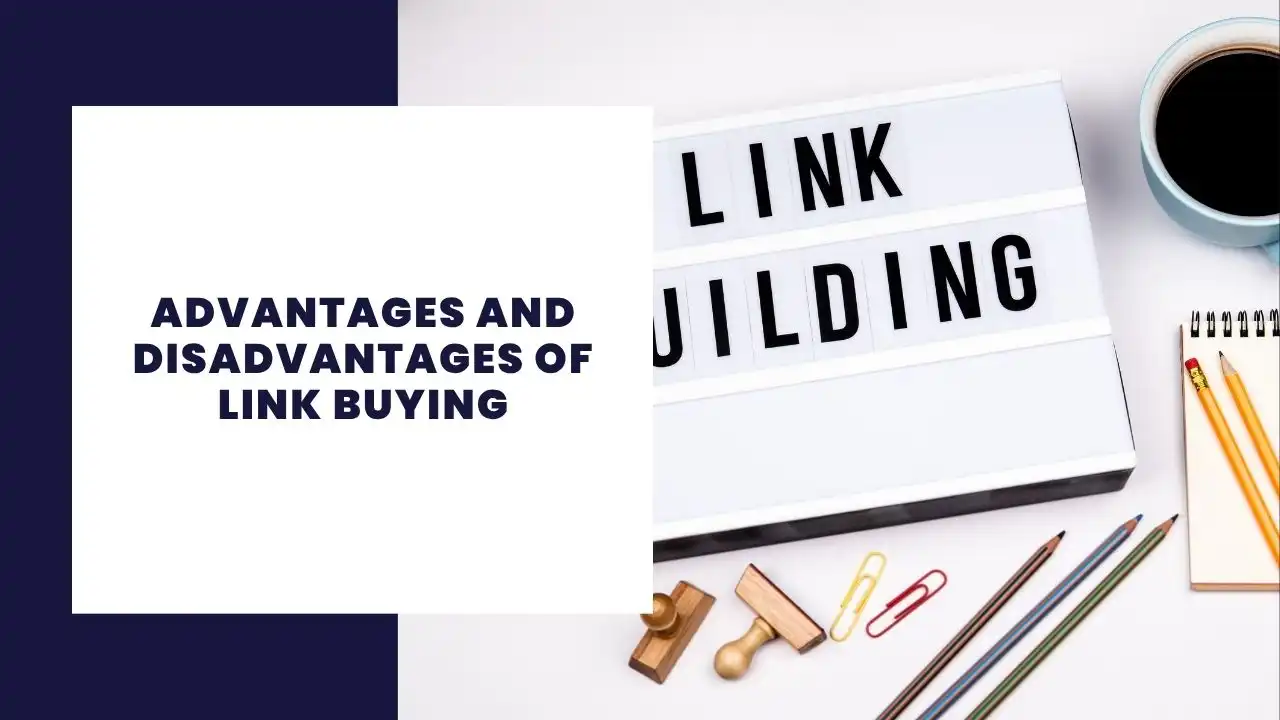
Link buying has long been a controversial topic in the realm of search engine optimization (SEO). While some marketers see it as a quick way to boost search rankings, others warn about the potential risks and penalties associated with this practice. Understanding both the benefits and drawbacks of link buying is essential for anyone looking to improve their website’s visibility without jeopardizing their online reputation.
What is Link Buying?
Link buying refers to the practice of purchasing backlinks from other websites to improve a site’s search engine ranking. Backlinks, also known as inbound links, are links from one website to another. Search engines like Google use backlinks as a signal of a website’s authority and relevance. The more high-quality backlinks a site has, the more likely it is to rank well in search results.
However, link buying is distinct from organic link building, where links are earned naturally through valuable content or relationships. Buying links involves a financial transaction and often bypasses the natural linking process. This distinction is important because search engines have specific guidelines regarding paid links, and violating these can lead to penalties.
Advantages of Link Buying
1. Quick Improvement in Search Rankings
One of the most attractive advantages of link buying is the speed at which it can impact search rankings. Unlike organic link building, which can take months to yield results, purchased links can provide an immediate boost. This is especially useful for new websites or businesses looking to gain visibility fast.
2. Increased Website Traffic
Higher search engine rankings typically lead to increased organic traffic. By buying links from reputable sites, a website can attract more visitors who are genuinely interested in its content or products. This influx of traffic can translate into higher conversions and sales.
3. Enhanced Domain Authority
Domain authority is a metric that predicts how well a website will rank on search engines. Buying links from authoritative and relevant sites can increase your domain authority, making your website more trustworthy in the eyes of search engines.
4. Competitive Advantage
In highly competitive niches, link buying can provide a strategic edge over competitors who rely solely on organic link building. By acquiring quality backlinks, businesses can outrank others and capture a larger share of the market.
5. Control Over Link Placement
When purchasing links, you often have more control over where and how the links are placed. This allows for better targeting of anchor text and placement in relevant content, which can improve the effectiveness of the links.
6. Access to Niche-Relevant Sites
Link buying can give you access to niche-specific websites that might be difficult to reach through traditional outreach methods. This relevance can improve the quality of backlinks and their impact on SEO.
7. Scalability
Unlike organic link building, which requires time and effort, link buying can be scaled up or down based on budget and goals. This flexibility makes it an appealing option for businesses with varying marketing resources.
Disadvantages of Link Buying
1. Risk of Search Engine Penalties
Google and other search engines explicitly discourage the buying and selling of links that pass PageRank. If detected, your website can face penalties ranging from ranking drops to complete removal from search results. This risk makes link buying a potentially dangerous strategy.
2. Poor Quality or Spammy Links
Not all purchased links are created equal. Some sellers offer links from low-quality or spammy websites, which can harm your site’s reputation and ranking. Identifying trustworthy sources requires significant due diligence.
3. Temporary Benefits
The boost from bought links can be short-lived. If the purchased links are removed or devalued by search engines, your rankings may drop just as quickly as they rose. This lack of permanence makes link buying less sustainable than organic strategies.
4. High Costs
Buying quality backlinks can be expensive, especially from authoritative websites. For small businesses or startups with limited budgets, the costs may outweigh the benefits.
5. Ethical Concerns
Link buying raises ethical questions about fair competition and authenticity. Many SEO professionals argue that it undermines the integrity of search engine results and the value of genuine content creation.
6. Potential Damage to Brand Reputation
If customers or partners discover that a company is buying links, it may harm the brand’s credibility. Transparency and trust are crucial in digital marketing, and link buying can jeopardize both.
7. Lack of Long-Term Relationship Building
Unlike organic link building, which often involves forming partnerships and collaborations, link buying is transactional. This means missed opportunities for building long-term relationships that could benefit your business beyond SEO.
Comparison Table of the Pros and Cons of Link Buying
| Advantages | Disadvantages |
|---|---|
| Quick improvement in rankings | Risk of search engine penalties |
| Increased website traffic | Poor quality or spammy links |
| Enhanced domain authority | Temporary benefits |
| Competitive advantage | High costs |
| Control over link placement | Ethical concerns |
| Access to niche-relevant sites | Potential damage to brand reputation |
| Scalability | Lack of long-term relationship building |
The Future of Link Buying
The future of link buying is uncertain and will largely depend on how search engines evolve their algorithms and enforcement policies. Google has become increasingly sophisticated at detecting unnatural link patterns, and penalties for paid links have become more severe. As a result, many marketers are shifting focus towards creating high-quality content and earning backlinks organically.
However, link buying may still persist in some form, especially in less regulated markets or industries where SEO oversight is limited. The key will be balancing risk and reward, and adapting strategies as search engines continue to refine their guidelines.
Emerging trends such as influencer marketing and content partnerships might also blur the lines between paid and organic links, creating new opportunities for link acquisition that feel more natural and less risky.
FAQs About Link Buying
1. Is link buying illegal?
No, link buying is not illegal, but it violates search engine guidelines, which can lead to penalties.
2. Can buying links guarantee better rankings?
No, buying links does not guarantee improved rankings and can sometimes harm your SEO if done improperly.
3. How can I tell if a link seller is trustworthy?
Look for transparency, quality of the linking sites, and reviews from other buyers. Avoid sellers offering suspiciously cheap or large volumes of links.
4. Are there safer alternatives to link buying?
Yes, organic link building through content marketing, guest posting, and influencer outreach are safer and more sustainable alternatives.
5. What happens if my site gets penalized for buying links?
You may experience a drop in rankings or removal from search results. Recovery can be difficult and time-consuming, often requiring removal of the purchased links.
Conclusion of Advantages and Disadvantages of Link Buying
Link buying offers a tempting shortcut to improve search engine rankings and increase website traffic. Its advantages, such as quick results, scalability, and control over link placement, make it appealing for many businesses. However, the risks associated with penalties, poor quality links, and ethical concerns cannot be overlooked.
Ultimately, whether link buying is a suitable strategy depends on individual goals, risk tolerance, and budget. For most, investing in organic, ethical link-building methods will provide a more stable and long-lasting foundation for SEO success. Understanding both sides of link buying empowers marketers to make informed decisions that align with their long-term digital marketing strategy.