Investing in a home security system is a decision many homeowners face in today’s increasingly connected and security-conscious world. While these systems promise peace of mind and protection for your loved ones and possessions, they also come with potential drawbacks that warrant careful consideration. Understanding both the benefits and limitations of home security systems can help you make an informed choice that best suits your needs and lifestyle.
What is a Home Security System
A home security system is a collection of devices and technology designed to monitor and protect your residence from intrusions, theft, vandalism, and sometimes environmental hazards like fire or carbon monoxide. These systems can range from simple alarm setups to sophisticated networks integrated with cameras, motion detectors, and remote monitoring services. Modern systems often include smart features that allow homeowners to control and monitor their homes via smartphones or other connected devices, providing a new level of convenience and security.
Advantages of Home Security Systems
1. Deterrence of Crime
One of the most significant benefits of installing a home security system is its ability to deter criminal activity. Visible security cameras, alarm signs, and motion sensors signal to potential intruders that the property is protected, reducing the likelihood of break-ins and vandalism. Many burglars prefer targets that appear unprotected, so a security system can serve as a strong deterrent.
2. Immediate Emergency Response
Modern security systems often include features that automatically alert authorities, emergency services, or security companies when a threat is detected. This rapid response capability can be crucial in emergencies such as break-ins, fires, or gas leaks. Having these alerts sent instantly helps ensure that help arrives promptly, minimizing damage or injury.
3. Remote Monitoring and Control
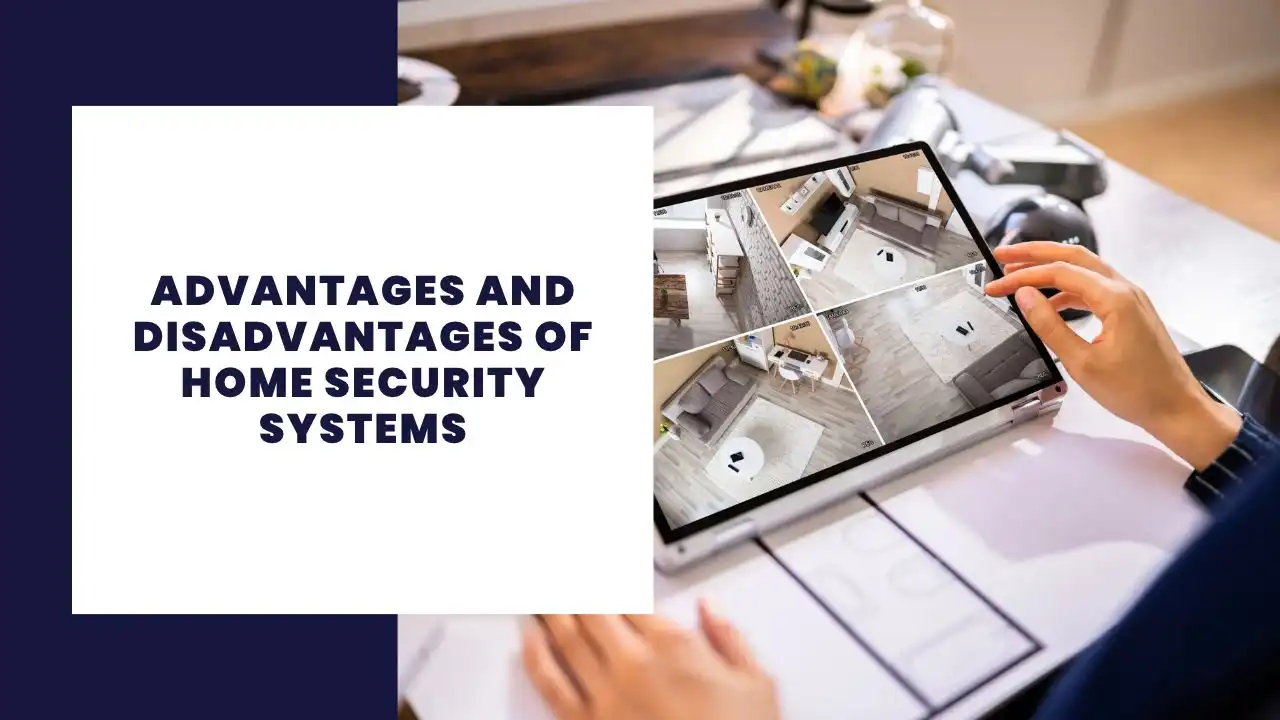
With advancements in smart home technology, homeowners can monitor their properties from anywhere in the world using smartphones or tablets. This remote access allows you to check live camera feeds, arm or disarm the system, and receive real-time alerts. Such control provides peace of mind, especially when traveling or away for extended periods.
4. Increased Property Value
Installing a comprehensive home security system can enhance your property’s value. Many prospective buyers view security features as desirable amenities, making your home more attractive on the market. Additionally, some insurance companies offer discounts on premiums for homes equipped with security systems, providing financial benefits.
5. Enhanced Family Safety
Security systems don’t just protect possessions—they also safeguard the lives of your family members. Features such as smoke detectors, carbon monoxide sensors, and medical alert systems integrated into the security setup can alert residents to hazards, giving them crucial extra seconds to respond and evacuate if necessary.
6. Convenience and Automation
Smart security systems often come with automation features that simplify daily routines. You can automate lighting, locks, and climate controls to activate based on your schedule or security status. This integration creates a more comfortable living environment while simultaneously enhancing security.
7. Customizable Security Options
Many home security providers offer customizable packages tailored to specific needs and budgets. You can choose the level of monitoring, types of sensors, or add extra features such as doorbell cameras or outdoor lighting. This flexibility ensures that your security system aligns with your lifestyle.
8. Evidence Collection
In the unfortunate event of a break-in or other incident, security cameras provide valuable evidence. Recorded footage can assist law enforcement in identifying suspects and support insurance claims. Clear video evidence can significantly improve the chances of apprehending criminals and recovering stolen property.
9. Peace of Mind
Knowing that your home is protected around the clock provides a profound sense of security. This peace of mind allows homeowners to focus on their daily activities, work, or travel without constant worry about potential threats.
10. Integration with Smart Home Devices
Many modern security systems integrate seamlessly with other smart home devices, such as voice assistants, smart locks, and lighting systems. This integration creates a cohesive ecosystem that enhances overall home management and security.
11. Cost-Effective Long-Term Investment
While the initial setup cost can be substantial, a well-maintained security system can save money over time. Insurance discounts, crime prevention, and reduced risk of theft all contribute to making a home security system a cost-effective investment in the long run.
12. Increased Control Over Home Access
With smart locks and access controls, homeowners can grant temporary or permanent access to trusted individuals without the need for physical keys. This feature is particularly useful for service providers, guests, or family members, improving convenience and security.
13. Monitoring Environmental Hazards
Modern systems often include sensors for environmental hazards such as fire, smoke, or carbon monoxide. Early detection of these dangers can prevent disasters and save lives, adding an extra layer of protection beyond intruder deterrence.
14. Support for Elderly and Disabled Residents
Security systems can support elderly or disabled family members by integrating medical alert features or emergency response buttons. These additions ensure prompt assistance in case of falls or medical emergencies, enhancing safety and independence.
Disadvantages of Home Security Systems
1. High Initial Cost
One of the primary drawbacks is the expense associated with installing a comprehensive system. Equipment costs, professional installation fees, and subscription charges for monitoring services can add up quickly, making it a significant financial commitment.
2. Ongoing Subscription Fees
Many security providers charge monthly or annual fees for monitoring services, which can become a recurring expense. Over time, these costs can accumulate and may outweigh the perceived benefits, especially if the system is used primarily for deterrence rather than active monitoring.
3. False Alarms and Inconvenience
Security systems are susceptible to false alarms caused by pets, technical glitches, or user error. These false alerts can lead to unnecessary police dispatches, which may incur fines or penalties and cause inconvenience to homeowners and neighbors.
4. Privacy Concerns
With cameras and remote monitoring, there are potential privacy issues. Data breaches or unauthorized access to camera feeds can compromise personal privacy. Homeowners must ensure that their systems are secure and that sensitive footage is protected.
5. Dependence on Power and Internet
Most modern systems rely heavily on electricity and internet connectivity. Power outages or internet disruptions can render the system inactive, leaving your home unprotected during critical times. Backup power options can mitigate this issue but may add to the cost.
6. Complexity of Setup and Use
Some security systems can be complicated to install and operate, especially for those unfamiliar with technology. Difficult setup processes or confusing interfaces might discourage consistent use or lead to misuse, reducing the effectiveness of the system.
7. Potential for Hacking
Cybersecurity threats pose a risk to connected security systems. Hackers can potentially disable alarms, access camera footage, or manipulate system controls if proper security measures are not in place. Regular updates and strong passwords are essential to mitigate this risk.
8. Limited Effectiveness Against Certain Threats
While security systems are excellent at deterring and detecting certain crimes, they are not foolproof. Skilled intruders may bypass or disable alarms, and systems may not prevent all types of burglaries or vandalism. They should be viewed as part of a broader security strategy.
9. Maintenance and Upkeep
Security systems require regular maintenance, updates, and testing to ensure optimal performance. Batteries need replacing, software updates must be installed, and physical components may need repairs, which can be inconvenient and add to ongoing costs.
10. Potential for Over-Reliance
Relying solely on technology can create a false sense of security. Homeowners might neglect basic safety precautions, such as locking doors and windows, assuming their system will handle all threats. It’s essential to maintain good security practices alongside technological solutions.
11. Impact on Neighborhood Dynamics
Installing visible security measures might influence neighborhood dynamics, sometimes leading to a false sense of security or tension among neighbors. Overly aggressive security setups can also impact the aesthetic appeal of a home or create a fortress-like appearance.
12. Limited Coverage in Large Properties
Depending on the size and layout of a property, a single security system might not cover every area adequately. Additional sensors or cameras are necessary, increasing costs and complexity.
13. Potential for Human Error
System misuse, such as forgetting to arm or disarm the system, can lead to vulnerabilities. Also, false alarms caused by user error can result in fines or police involvement, complicating the overall effectiveness.
14. Environmental Limitations
Extreme weather conditions, such as storms, heavy rain, or snow, can affect the functioning of outdoor sensors and cameras. These environmental factors can reduce the reliability of the system over time.
Comparison Table of the Pros and of Home Security Systems
| Advantages | Disadvantages |
|---|---|
| Deterrence of Crime | High Initial Cost |
| Immediate Emergency Response | Ongoing Subscription Fees |
| Remote Monitoring and Control | False Alarms and Inconvenience |
| Increased Property Value | Privacy Concerns |
| Enhanced Family Safety | Dependence on Power and Internet |
| Convenience and Automation | Complexity of Setup and Use |
| Customizable Security Options | Potential for Hacking |
| Evidence Collection | Limited Effectiveness Against Certain Threats |
| Peace of Mind | Maintenance and Upkeep |
| Integration with Smart Devices | Potential for Over-Reliance |
| Cost-Effective Long-Term Investment | Impact on Neighborhood Dynamics |
| Increased Control Over Home Access | Limited Coverage in Large Properties |
| Monitoring Environmental Hazards | Potential for Human Error |
| Support for Elderly and Disabled Residents | Environmental Limitations |