Home automation systems have become increasingly popular as technology continues to evolve and integrate seamlessly into our daily lives. These systems promise convenience, security, efficiency, and a modern lifestyle that appeals to homeowners looking for smarter living solutions. However, like any technological advancement, they come with their own set of benefits and drawbacks. Understanding both sides of home automation can help homeowners make informed decisions about whether to implement these systems in their residences.
What is Home Automation Systems
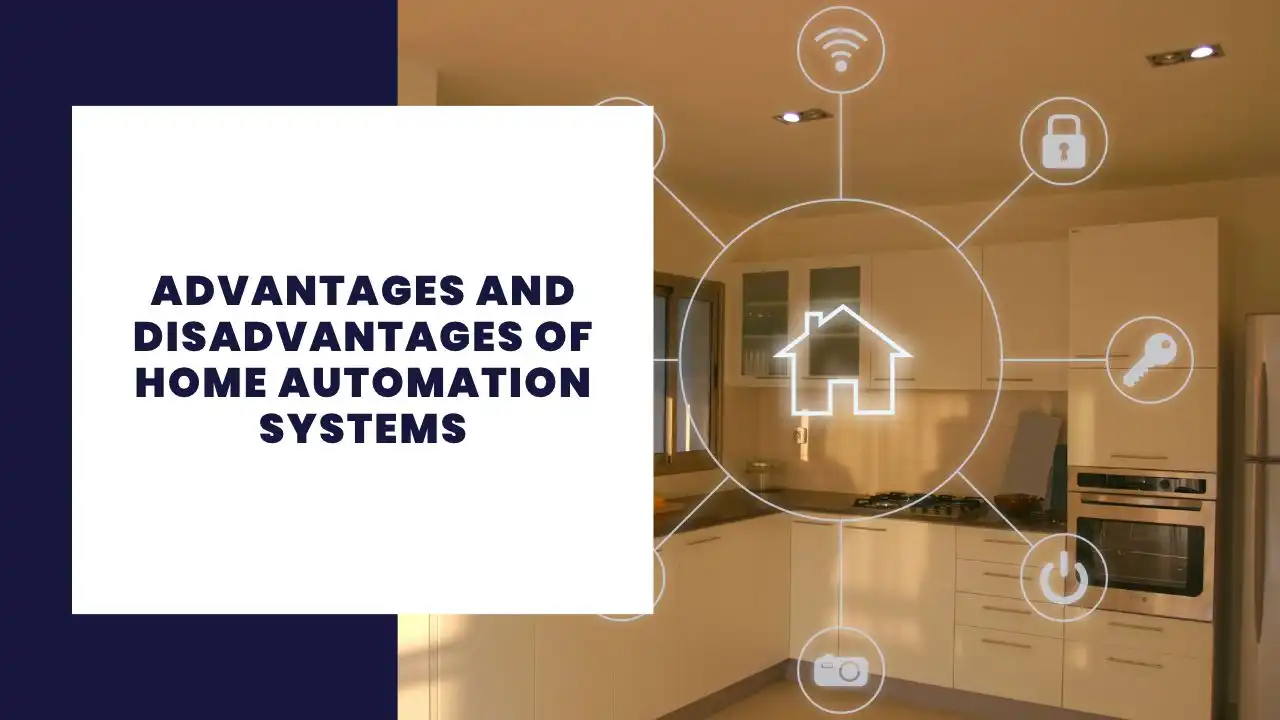
Home automation systems, also known as smart home systems, refer to the automation of household appliances, lighting, climate control, security, entertainment, and other home functions through centralized control panels, mobile apps, or voice commands. These systems leverage technologies such as wireless communication, sensors, and internet connectivity to allow homeowners to monitor and manage their homes remotely or automatically. The goal is to enhance comfort, security, energy efficiency, and overall convenience, transforming traditional houses into intelligent living spaces.
Advantages of Home Automation Systems
1. Increased Convenience and Comfort
One of the primary benefits of home automation is the significant boost in convenience. With smart systems, homeowners can control lighting, thermostats, door locks, and appliances from a single device, whether at home or away. For example, adjusting the temperature before arriving home or turning off all lights with a single tap simplifies daily routines. Voice commands through digital assistants like Alexa or Google Home further enhance ease of use, making everyday tasks effortless.
2. Enhanced Security
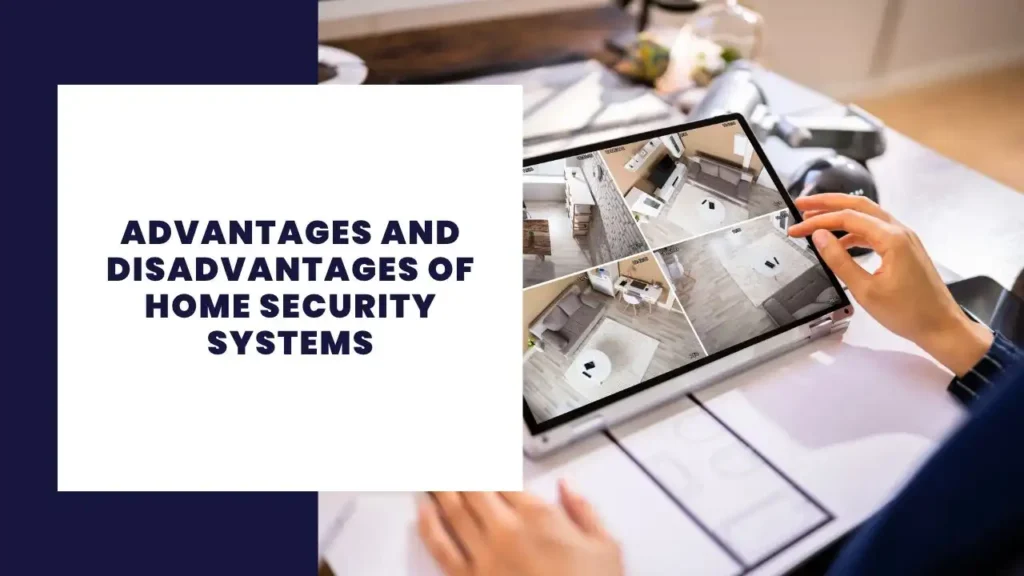
Home automation systems offer advanced security features that help protect your property and loved ones. Automated locks, surveillance cameras, motion sensors, and alarm systems can be monitored remotely, providing real-time updates and alerts about unusual activity. Some systems allow homeowners to grant temporary access to visitors or service providers, adding a layer of flexibility and control. This proactive security approach can significantly reduce the risk of burglaries and unauthorized access.
3. Energy Efficiency and Cost Savings
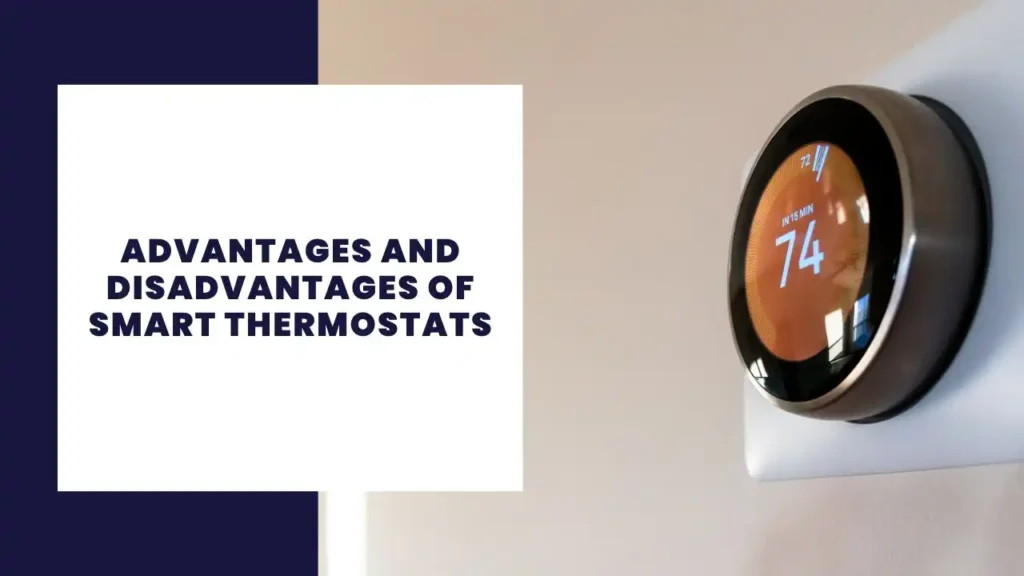
Smart home systems can optimize energy consumption by automatically adjusting lighting, heating, and cooling based on occupancy or time of day. For instance, lights can turn off when no one is in a room, and thermostats can learn preferences to reduce unnecessary heating or cooling. Over time, these efficiencies translate into lower utility bills and a smaller carbon footprint, making homes more environmentally friendly and cost-effective.
4. Customization and Personalization
Home automation allows users to tailor their environment to their preferences. You can set different lighting scenes for movie nights, create schedules for appliances, or program security routines. This level of personalization enhances the living experience, making homes more aligned with individual lifestyles and habits. Such flexibility ensures that the technology adapts to your needs rather than forcing you to change your routines.
5. Increased Property Value
Smart home features are increasingly viewed as desirable amenities that can boost property value. Potential buyers often prioritize homes equipped with automation systems, perceiving them as modern, secure, and energy-efficient. Installing home automation can therefore be a wise investment, potentially increasing the resale value of your property.
6. Remote Monitoring and Control
The ability to monitor and control your home remotely is one of the standout advantages. Whether you’re at work, on vacation, or running errands, you can keep an eye on your property via smartphone apps. This capability provides peace of mind, ensuring that everything is functioning correctly and allowing quick responses to emergencies or issues.
7. Integration with Other Technologies
Home automation systems often integrate seamlessly with other smart devices and platforms, creating a cohesive ecosystem. This interoperability enables more complex automation routines, such as syncing lighting with music or coordinating security systems with doorbell cameras. Such integrations enhance the overall smart home experience, making it more intuitive and comprehensive.
8. Improved Accessibility for the Elderly and Disabled
For individuals with mobility challenges or disabilities, home automation offers increased independence. Automated door locks, voice-controlled devices, and remote monitoring can make daily tasks easier and safer. This inclusivity not only improves quality of life but also provides peace of mind for caregivers and family members.
9. Simplified Maintenance and Troubleshooting
Many modern home automation systems include diagnostic tools that alert homeowners to potential issues, such as malfunctioning devices or security breaches. Automated updates and remote troubleshooting reduce the need for on-site repairs, saving time and money. This proactive approach ensures the system remains efficient and reliable over time.
10. Environmental Benefits
Beyond energy savings, home automation can contribute to environmental sustainability. Smart systems can optimize resource use, reduce waste, and support renewable energy integration, such as solar panels. These features align with eco-conscious living and promote a greener lifestyle.
11. Automation of Routine Tasks
Automating routine chores, like watering the garden, managing blinds, or scheduling appliances, saves time and reduces manual effort. This automation leaves homeowners free to focus on more important or enjoyable activities, enhancing overall quality of life.
12. Safety During Emergencies
In emergency situations, home automation systems can automatically activate safety features. For example, they can turn on all lights during a fire, unlock doors for emergency responders, or send alerts to authorities. Such capabilities can potentially save lives by ensuring quick and coordinated responses.
13. Better Management of Household Resources
Smart systems enable more efficient management of household resources such as water, electricity, and gas. Sensors can detect leaks or wastage, prompting immediate action. This proactive management not only reduces costs but also conserves vital resources, contributing positively to environmental sustainability.
14. Future-Proofing Your Home
As technology advances, homes equipped with automation systems are better positioned to incorporate new innovations. This adaptability ensures that your home remains modern and functional for years to come, avoiding the need for frequent upgrades.
Disadvantages of Home Automation Systems
1. High Initial Investment
Implementing a comprehensive home automation system can require a significant upfront investment. The cost of purchasing devices, professional installation, and integration can be prohibitive for some homeowners. While prices are decreasing, the initial expenses remain a consideration for many.
2. Complexity and Technical Challenges
Setting up and managing home automation systems can be complex, especially for those unfamiliar with technology. Compatibility issues between different devices and platforms may arise, leading to frustration and additional troubleshooting efforts. Not all homeowners may feel comfortable managing these systems without technical assistance.
3. Security and Privacy Risks
While automation enhances security, it also introduces new vulnerabilities. Hackers can potentially exploit weak points in connected devices or networks to gain unauthorized access. Data privacy concerns also arise, as personal habits and routines are stored and transmitted online, raising questions about data misuse or breaches.
4. Dependence on Internet Connectivity
Most home automation systems rely heavily on stable internet connections. During outages or network failures, the functionality of these systems can be compromised, leaving homeowners without control or monitoring capabilities. This dependency can be problematic during emergencies or connectivity issues.
5. Maintenance and Upgrades
Like any technology, home automation systems require ongoing maintenance, software updates, and occasional hardware upgrades. Keeping systems current can be time-consuming and sometimes costly, especially if devices become obsolete or incompatible with newer technologies.
6. Potential for Technical Failures
Automation systems are susceptible to technical glitches, software bugs, or hardware malfunctions. Such failures can disrupt daily routines or compromise security. Homeowners may need to troubleshoot or seek professional repairs, which can be inconvenient and costly.
7. Privacy Concerns
Continuous monitoring and data collection can lead to privacy issues. Homeowners might feel uncomfortable with the amount of personal information being stored or shared, especially if data security measures are inadequate. This concern can impact user trust and acceptance.
8. Limited Compatibility and Interoperability
Not all devices work seamlessly together, especially if they are from different manufacturers or use different protocols. Compatibility issues can limit the functionality of automation systems and require additional investments or workarounds to achieve desired automation routines.
9. Potential Job Loss for Installers and Technicians
As automation becomes more prevalent, there may be a reduced demand for traditional home maintenance and security jobs. This shift could impact employment opportunities within these sectors, although it also opens avenues for specialized smart home services.
10. Risk of Over-automation
Over-automating a home can lead to a sterile or impersonal environment. Excessive reliance on automation might reduce human interaction and spontaneity, potentially impacting the warmth and comfort of a lived-in space.
11. Learning Curve for Users
Adapting to new smart home technologies requires time and effort. Some users may find the learning curve steep, leading to frustration or reluctance to fully utilize the system’s features.
12. Potential for Data Misuse
Collected data from smart home devices could be exploited for purposes beyond security, such as targeted advertising or profiling. Without proper safeguards, homeowners risk their personal information being misused or sold to third parties.
13. Ethical and Legal Concerns
The use of surveillance and data collection in home automation raises ethical questions about consent and boundaries. Legal regulations regarding data privacy and security are still evolving, creating uncertainty for homeowners and providers alike.
14. Obsolescence and Rapid Technological Change
Technology evolves rapidly, and devices can become outdated quickly. Investing in home automation systems may lead to obsolescence sooner than expected, necessitating frequent upgrades or replacements, which can be costly and inconvenient.
Comparison Table of the Pros and of Home Automation Systems
| Advantages | Disadvantages |
|---|---|
| Increased convenience and comfort | High initial investment |
| Enhanced security | Security and privacy risks |
| Energy efficiency and cost savings | Dependence on internet connectivity |
| Customization and personalization | Complexity and technical challenges |
| Increased property value | Maintenance and upgrades |
| Remote monitoring and control | Potential for technical failures |
| Integration with other technologies | Privacy concerns |
| Improved accessibility for elderly and disabled | Limited compatibility and interoperability |
| Simplified maintenance and troubleshooting |