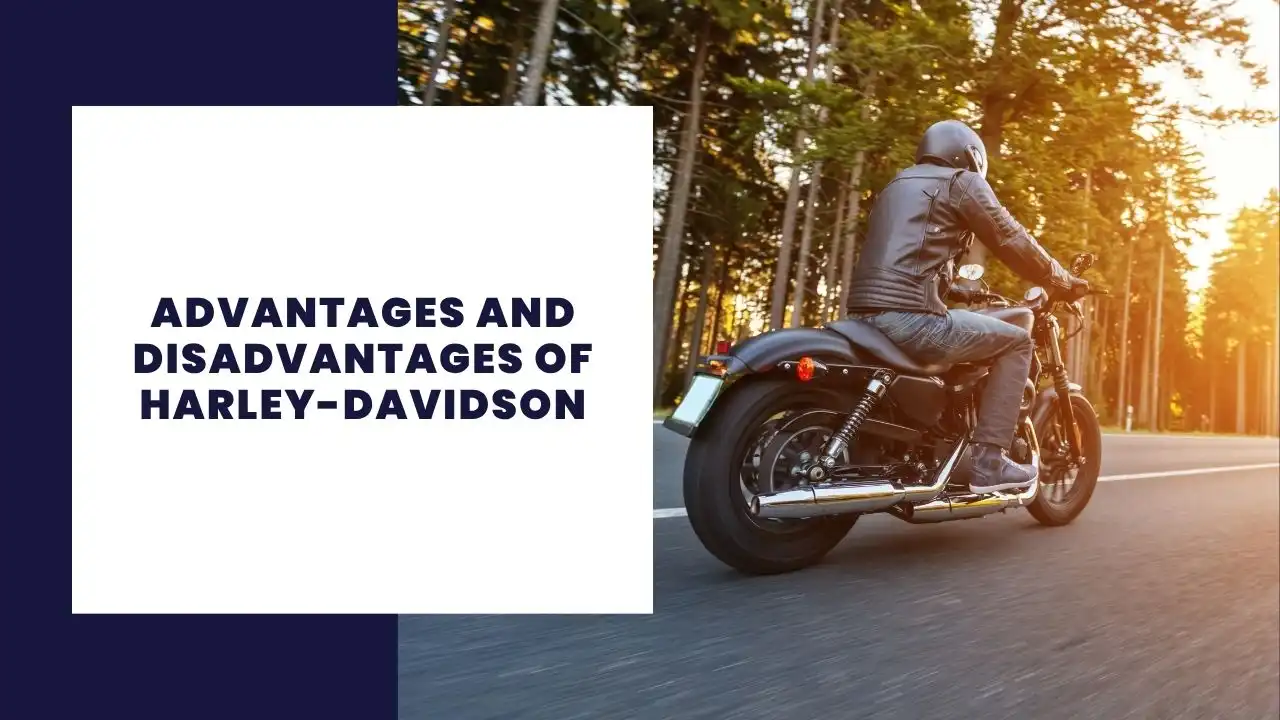
Harley-Davidson is one of the most iconic motorcycle brands in the world, known for its distinctive style, powerful engines, and loyal community of riders. For decades, Harley-Davidson has symbolized freedom, adventure, and American craftsmanship. However, like any product, owning and riding a Harley-Davidson comes with its own set of benefits and drawbacks. Understanding these can help prospective buyers and enthusiasts make informed decisions about whether a Harley-Davidson motorcycle fits their lifestyle and preferences.
What is Harley-Davidson?
Harley-Davidson is an American motorcycle manufacturer founded in 1903 in Milwaukee, Wisconsin. The company quickly grew to prominence by producing heavyweight motorcycles designed for cruising on highways. Known for their unique V-twin engines and classic cruiser styling, Harley-Davidson bikes have developed a strong cultural presence, often associated with biker clubs, long road trips, and a rebellious spirit.
Over the years, Harley-Davidson expanded its lineup to include touring bikes, sportsters, and more recently, electric motorcycles. Despite facing competition from Japanese and European manufacturers, Harley-Davidson remains a symbol of American motorcycling heritage and continues to enjoy a passionate fan base worldwide.
Advantages of Harley-Davidson
1. Iconic Brand Heritage
Harley-Davidson carries over a century of history and tradition. Owning a Harley is not just about having a motorcycle; it’s about becoming part of a community and legacy. The brand’s rich heritage adds intangible value and pride for many riders.
2. Distinctive Design and Style
Harley-Davidson motorcycles stand out with their classic, muscular aesthetics. The design elements, such as chrome finishes, large V-twin engines, and signature exhaust notes, create a unique presence on the road that many riders find irresistible.
3. Powerful Performance
Harley-Davidson bikes are known for their strong torque and robust engine performance. These motorcycles deliver a satisfying riding experience, especially on open highways where their power can be fully appreciated.
4. Extensive Customization Options
One of Harley-Davidson’s biggest draws is the ability to customize bikes extensively. From aftermarket parts to factory options, riders can personalize their motorcycles to reflect their style and preferences, making each Harley uniquely theirs.
5. Strong Community and Culture
Harley owners often join clubs, attend rallies, and participate in events that foster camaraderie. This social aspect enhances the ownership experience, providing opportunities to connect with like-minded enthusiasts.
6. Comfortable for Long-Distance Riding
Many Harley-Davidson models are designed with touring in mind. Features like ergonomic seating, large fuel tanks, and advanced suspension systems contribute to rider comfort, making long trips more enjoyable.
7. High Resale Value
Harley-Davidson motorcycles tend to retain their value better than many other brands. The strong demand for used Harleys helps maintain resale prices, which can be a financial advantage for owners.
Disadvantages of Harley-Davidson
1. High Purchase Price
Harley-Davidson motorcycles are often priced higher than comparable models from other manufacturers. The premium cost can be a barrier for new riders or those on a budget.
2. Heavy Weight and Size
Many Harley models are heavy and bulky, which can make them challenging to handle, especially for beginners or riders who navigate tight urban environments frequently.
3. Maintenance Costs
Harley-Davidson bikes typically require regular maintenance, and parts can be expensive. Dealer servicing is often necessary to maintain warranty coverage, which adds to the overall cost of ownership.
4. Fuel Efficiency Concerns
Compared to smaller or more modern motorcycles, Harley-Davidsons usually have lower fuel efficiency. This can result in higher running costs and more frequent stops during long rides.
5. Limited Performance for Sport Riding
While great for cruising, Harley-Davidson motorcycles are generally not designed for high-speed cornering or aggressive sport riding. Riders seeking track performance might find the bikes less agile than sportbike alternatives.
6. Noise Levels
Harley-Davidson motorcycles are known for their loud exhaust notes, which some riders enjoy but others may find excessive or bothersome, especially in residential areas or during longer trips.
7. Perceived Image and Stereotypes
The Harley-Davidson brand carries certain cultural stereotypes that may not appeal to everyone. Some riders prefer a different image or style and might find the Harley association limiting or polarizing.
Comparison Table of the Pros and Cons of Harley-Davidson
| Advantages | Disadvantages |
|---|---|
| Iconic brand heritage | High purchase price |
| Distinctive design and style | Heavy weight and size |
| Powerful performance | Maintenance costs |
| Extensive customization options | Lower fuel efficiency |
| Strong community and culture | Limited sport riding capability |
| Comfortable for long-distance riding | Loud noise levels |
| High resale value | Cultural stereotypes |
The Future of Harley-Davidson
Harley-Davidson is evolving to meet changing market demands and environmental considerations. The company has invested in electric motorcycle technology, launching models like the LiveWire to appeal to a new generation of riders and urban commuters. This shift towards sustainability and innovation reflects Harley’s effort to stay relevant in a competitive motorcycle industry.
Additionally, Harley-Davidson is expanding its product lineup to include smaller, more affordable bikes aimed at younger and international markets. These strategic moves suggest a future where Harley-Davidson balances tradition with modernity, blending classic appeal with new technologies and broader accessibility.
FAQs About Harley-Davidson
1. Are Harley-Davidson motorcycles good for beginners?
Harley-Davidson offers smaller displacement bikes like the Street 500 and 750, which can be suitable for beginners. However, many of their models are heavy and powerful, so new riders should choose carefully and consider their comfort and skill level.
2. How often does a Harley-Davidson need maintenance?
Regular maintenance is recommended every 5,000 miles or so, including oil changes, brake checks, and tire inspections. Following the manufacturer’s maintenance schedule helps keep the bike running smoothly.
3. Are Harley-Davidson motorcycles fuel efficient?
Harleys generally have lower fuel efficiency compared to smaller motorcycles, averaging around 40-50 miles per gallon depending on the model and riding style.
4. Can Harley-Davidson motorcycles be customized easily?
Yes, one of Harley’s strengths is the vast aftermarket support and factory customization options. Riders can modify everything from exhaust systems to seats and paint jobs.
5. What makes Harley-Davidson motorcycles unique?
The combination of their iconic V-twin engine sound, classic cruiser design, rich heritage, and strong rider community sets Harley-Davidson apart from other motorcycle brands.
Conclusion of Advantages and Disadvantages of Harley-Davidson
Harley-Davidson motorcycles offer a unique blend of heritage, style, and powerful performance that appeals to many riders around the world. Their iconic design and strong community culture create an ownership experience that transcends just transportation. However, potential owners should also consider the higher costs, heavier weight, and limited sport riding capabilities that come with these bikes.
Understanding both the advantages and disadvantages helps riders decide if a Harley-Davidson aligns with their needs and expectations. Whether for long-distance cruising or the pride of owning a legendary brand, Harley-Davidson remains a compelling choice for those drawn to the road and the freedom it represents.