Electric vehicle (EV) adoption continues to grow rapidly, transforming the way people think about transportation and energy consumption. A crucial component of this shift is the availability of reliable, efficient home charging solutions. While EV home chargers offer numerous benefits, they also come with certain drawbacks that potential users should consider. Understanding the advantages and disadvantages of EV home chargers can help consumers make informed decisions and optimize their EV ownership experience.
What Is an EV Home Charger?
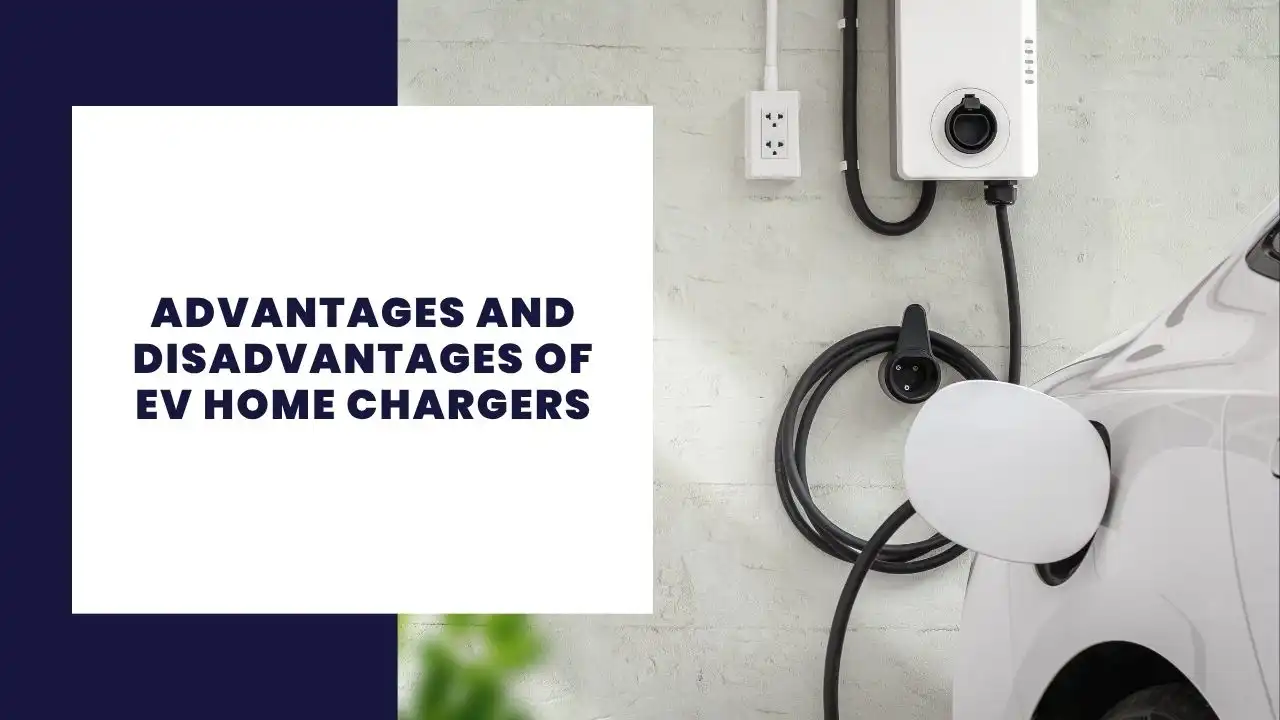
An EV home charger is a device installed in a residential setting that allows electric vehicle owners to recharge their cars conveniently at home. Unlike public charging stations, which can be limited in number and sometimes crowded, home chargers provide a private, accessible, and often faster way to keep an EV powered up. These chargers vary in power output, installation complexity, and features, but their primary goal is to simplify the charging process and integrate seamlessly into daily routines.
Advantages of EV Home Chargers
1. Convenience and Accessibility
Having a home charger means that EV owners can charge their vehicle overnight or at any convenient time without the need to visit public charging stations. This convenience saves time and effort, especially for those with busy schedules or long commutes. Charging at home also ensures that the vehicle is always ready for use, reducing range anxiety and increasing overall confidence in EV ownership.
2. Cost Savings
Charging an EV at home can be more economical than relying solely on public charging stations, especially if the home is connected to a favorable electricity plan. Many utility providers offer off-peak rates during nighttime hours, which can significantly reduce charging costs. Over time, these savings can add up, making EV ownership more financially attractive.
3. Faster Charging Speeds
Many home chargers, especially Level 2 units, offer faster charging capabilities compared to standard household outlets. This means that an EV can be replenished more quickly, often in a few hours, enabling drivers to start each day with a full battery. Faster charging reduces downtime and enhances the practicality of EVs for daily use.
4. Increased Property Value
Installing a dedicated EV charger can boost the value of a property, particularly in areas where EV adoption is high. Future buyers may see a home with a charging station as more attractive, especially if they own or plan to purchase an EV. This added feature can serve as a selling point and improve marketability.
5. Enhanced Safety and Reliability
Home chargers are designed with safety features that ensure proper grounding, overload protection, and weather resistance. Installing a dedicated charger reduces the risks associated with using standard outlets for high-power charging, such as overheating or electrical faults. This focus on safety makes daily charging safer and more reliable.
6. Environmental Benefits
Charging at home allows users to choose renewable energy sources, such as solar panels, to power their vehicles. This can further reduce the carbon footprint of EV ownership, promoting sustainability and environmental responsibility.
7. Customizable Features
Many modern home chargers come with smart features, including Wi-Fi connectivity, mobile app controls, and scheduled charging. These functionalities enable users to monitor charging status remotely, optimize energy use, and even integrate with home automation systems for greater convenience.
8. Reduced Dependence on Public Infrastructure
Having a home charger decreases reliance on public charging stations, which can sometimes be scarce or inconveniently located. This independence offers peace of mind, especially during long trips or in areas with limited public charging options.
9. Support for Faster EV Adoption
The availability of easy-to-use home charging solutions encourages more consumers to switch to electric vehicles. As charging becomes more accessible and hassle-free, EV adoption rates are likely to increase, supporting broader environmental and economic goals.
10. Potential Incentives and Rebates
Many governments and local authorities offer financial incentives, rebates, or tax credits for installing EV home chargers. These programs can significantly offset installation costs and make the transition to electric mobility more affordable.
11. Better Battery Management
Some home chargers offer advanced features that help manage battery health, such as scheduled charging during optimal times or limiting charge levels to prolong battery lifespan. Proper management extends the longevity of the vehicle’s battery, saving money over the long term.
12. Compatibility with Future Technologies
Most home chargers are compatible with upcoming EV models and charging standards, ensuring that users can upgrade their vehicles without needing to replace their charging infrastructure. This future-proofing makes long-term planning easier for EV owners.
13. Increased Control Over Energy Use
Home chargers can be integrated with smart home systems, allowing users to control and monitor energy consumption more effectively. This integration can help optimize overall household energy use and reduce electricity bills.
14. Support for Renewable Energy Integration
For environmentally conscious consumers, home chargers facilitate the use of renewable energy sources like solar or wind power. This not only lowers utility bills but also aligns with sustainable living practices.
Disadvantages of EV Home Chargers
1. High Upfront Costs
Installing a home charging station can be expensive, with costs including the unit price, installation, and possible electrical upgrades. While prices have been decreasing, the initial investment remains a barrier for some homeowners.
2. Installation Challenges
Proper installation requires professional electrical work, which can be complicated by existing wiring, electrical panel capacity, or structural limitations. In some cases, homeowners may face significant remodeling or electrical upgrades to accommodate a charger.
3. Limited Power Supply in Older Homes
Older residences may have insufficient electrical infrastructure to support high-powered chargers, necessitating costly upgrades. Without these upgrades, charging speeds could be limited, reducing the convenience of home charging.
4. Ongoing Maintenance and Repairs
Like any electrical device, home chargers may require periodic maintenance or repairs, which can incur additional costs. Ensuring the charger remains in good working order is essential for safety and efficiency.
5. Dependence on Electricity Grid
Charging at home relies on a stable electricity supply. Power outages or grid issues can disrupt charging routines, especially if the home lacks backup power solutions. This dependence can be inconvenient during emergencies.
6. Potential for Increased Electricity Bills
While home charging can be economical, increased energy consumption may lead to higher utility bills, particularly if charging occurs during peak hours without time-of-use incentives.
7. Limited Charging Speed Compared to Fast Chargers
Although Level 2 chargers are faster than standard outlets, they still cannot match the rapid charging speeds of some public DC fast chargers. This limitation can be a drawback for users needing quick top-ups.
8. Space and Aesthetics Considerations
Installing a home charger requires adequate space and may impact the appearance of the property. Some homeowners may find the physical installation or the visual impact undesirable.
9. Regulatory and Permitting Requirements
Local regulations and permitting processes can complicate the installation of home chargers. Navigating these bureaucratic steps can be time-consuming and may incur additional costs.
10. Compatibility Issues
Not all home chargers are compatible with every EV model, especially as standards evolve. Ensuring compatibility before purchasing and installing is necessary to avoid future inconvenience.
11. Potential for Overloading Electrical Circuits
Improper installation or overuse can lead to circuit overloads, tripping breakers, or electrical hazards. Professional installation and proper load management are essential to mitigate this risk.
12. Limited Availability in Certain Areas
In some regions, access to qualified installers or suitable electrical infrastructure may be limited, making the installation of a home charger more challenging or less feasible.
13. Environmental Impact of Manufacturing and Disposal
Manufacturing and disposing of EV chargers involve environmental considerations, including resource extraction and waste management, which can offset some of the ecological benefits of EVs.
14. Technological Obsolescence
As charging technology advances rapidly, some home chargers may become outdated or incompatible with newer EV models, necessitating future upgrades or replacements.
Comparison Table of the Pros and of EV Home Chargers
| Advantages | Disadvantages |
|---|---|
| Convenience and accessibility | High upfront costs |
| Cost savings through off-peak rates | Installation challenges and electrical upgrades |
| Faster charging speeds | Limited power supply in older homes |
| Increased property value | Ongoing maintenance and repairs |
| Enhanced safety and reliability | Dependence on the electricity grid |
| Environmental benefits, especially with renewable energy | Potential for increased electricity bills |
| Customizable smart features | Limited charging speed compared to fast chargers |
| Reduced dependence on public infrastructure | Space and aesthetic considerations |
| Supports faster EV adoption | Regulatory and permitting requirements |
| Incentives and rebates available | Compatibility issues with certain EV models |
| Better battery management | Risk of overloading circuits |
| Compatibility with future technologies | Limited availability in some areas |
| Greater control over energy use | Environmental impact of manufacturing/disposal |
| Integration with renewable energy sources | Technological obsolescence |
The Future of EV Home Chargers
The future of EV home chargers is poised for significant growth and innovation. As technology advances, chargers are expected to become faster, smarter, and more integrated with home automation systems. Wireless charging and bidirectional power flow — allowing vehicles to supply energy back to the home or grid — are on the horizon, promising greater energy flexibility and efficiency.
Moreover, the proliferation of renewable energy sources like solar panels will likely lead to more self-sufficient charging solutions, reducing reliance on the grid and lowering costs further. Governments and industries are investing in infrastructure and incentives to make home charging more affordable and accessible, which will accelerate adoption.
Standardization across charging standards and increased interoperability will simplify installation and use, ensuring consumers can confidently select compatible solutions. As electric vehicles become more mainstream, the demand for seamless, fast, and sustainable home charging options will continue to grow, shaping a cleaner and more connected transportation future.