Power outages can strike unexpectedly, leaving homes and businesses in the dark and disrupting daily routines. To mitigate these issues, many people turn to backup generators as a reliable source of emergency power. While they offer significant benefits, they also come with certain drawbacks. Understanding the advantages and disadvantages of backup generators can help you make an informed decision about whether they are the right solution for your needs.
What Is a Backup Generator?
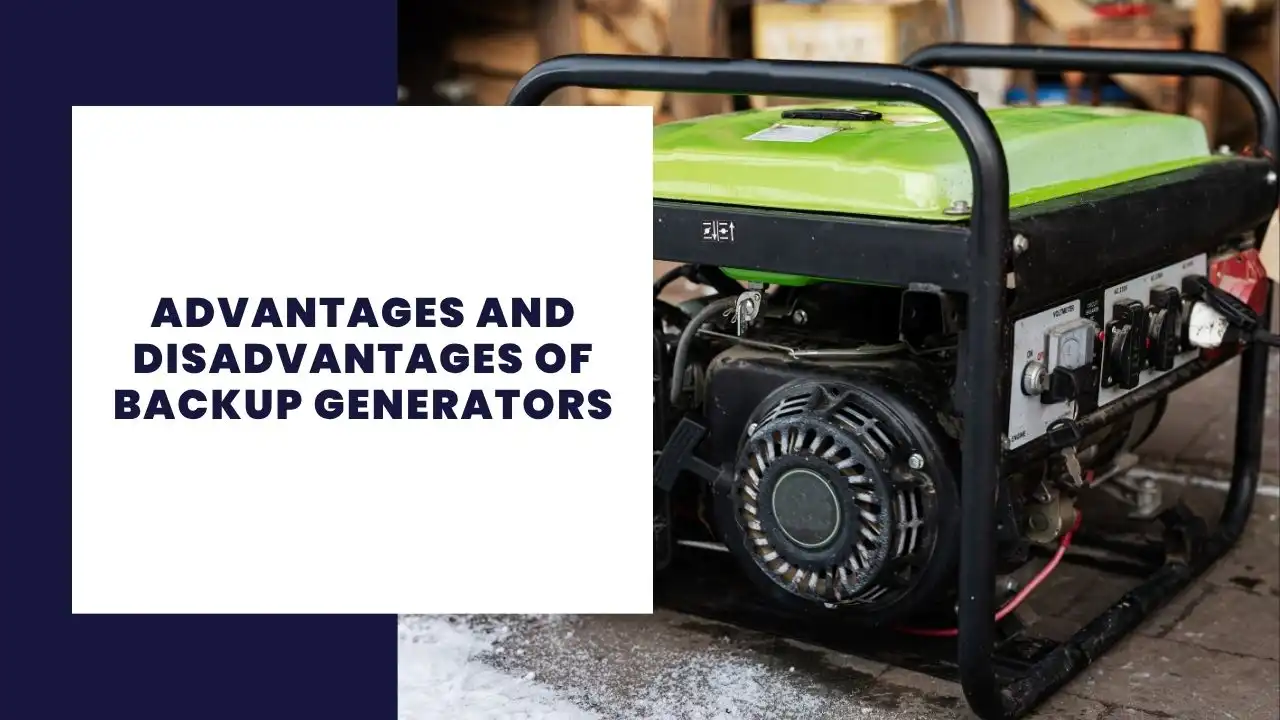
A backup generator is a device designed to provide electrical power during outages or when the main power grid fails. These generators are typically powered by fuels such as gasoline, diesel, natural gas, or propane. They automatically or manually turn on when power is lost, supplying electricity to essential appliances, lighting, and other critical systems. Backup generators come in various sizes and capacities, from small portable units suitable for camping or small homes to large standby units capable of powering entire buildings.
Advantages of Backup Generators
1. Ensures Continuous Power Supply
One of the primary benefits of a backup generator is the ability to maintain a continuous power supply during outages. This is especially crucial for businesses that rely on constant electricity to operate, such as hospitals, data centers, or manufacturing facilities. For homeowners, it means not losing refrigeration, heating, or essential medical devices, ensuring comfort and safety regardless of external power issues.
2. Protects Perishable Food and Medications
Power outages often lead to spoilage of perishable food stored in refrigerators and freezers. For households and businesses like grocery stores or restaurants, this can result in significant financial loss. Backup generators help preserve perishable goods by keeping refrigeration systems running, reducing waste and safeguarding health. They also ensure that essential medications requiring refrigeration remain effective.
3. Enhances Safety and Security
A reliable power source during outages enhances safety by providing lighting in dark areas, preventing accidents, and enabling communication. It also deters potential intruders by keeping security systems operational. For families, having a backup generator means not being left in the dark or without heat during extreme weather conditions, reducing risks associated with cold or heat exposure.
4. Supports Remote Work and Communication
In an increasingly connected world, power outages can disrupt work-from-home arrangements and essential communications. Backup generators ensure that computers, internet routers, and communication devices stay functional, allowing businesses and individuals to continue their activities without interruption. This is particularly important for remote workers, online businesses, and emergency responders.
5. Provides Peace of Mind
Having a backup power source offers peace of mind, knowing that your home or business can withstand unexpected outages. This sense of security is invaluable, especially in areas prone to severe weather events such as hurricanes, snowstorms, or earthquakes. It reduces stress and allows you to focus on other priorities during challenging times.
6. Increases Property Value
Installing a backup generator can enhance your property’s value and appeal. Many homebuyers see a backup power system as a desirable feature, especially in regions where outages are common. It demonstrates foresight and preparedness, making your property more attractive on the real estate market.
7. Supports Critical Medical Equipment
For individuals dependent on medical devices such as ventilators, oxygen concentrators, or dialysis machines, a backup generator can be life-saving. It ensures that essential equipment continues to operate during power failures, providing vital support for health and well-being.
8. Reduces Economic Loss During Outages
Extended power outages can be costly for businesses due to lost productivity, spoiled inventory, and missed opportunities. Backup generators help minimize these losses by enabling operations to continue smoothly. This resilience can be a competitive advantage, especially for small and medium-sized enterprises.
9. Facilitates Emergency Response and Recovery
During natural disasters or emergencies, backup generators can be deployed to power rescue operations, shelters, and communication hubs. They play a crucial role in disaster response efforts, helping communities recover more swiftly by maintaining vital services.
10. Customizable to Different Needs
Backup generators come in various sizes and configurations, allowing customization based on specific needs. Whether powering a small home or an entire industrial complex, there are options to match the required capacity, fuel type, and installation preferences.
11. Reduces Dependence on the Grid
In remote or rural areas where grid access may be limited or unreliable, backup generators provide an independent power source. This independence enhances self-sufficiency and ensures continuous power regardless of grid stability.
12. Can Be Automated for Convenience
Modern backup generators can be equipped with automatic transfer switches, allowing them to activate instantly when power is lost. This automation ensures seamless transition without manual intervention, providing convenience and reliability.
13. Offers Long-Term Cost Savings
Although the initial investment can be substantial, backup generators can save money over time by preventing losses associated with power outages. The ability to continue operations and preserve perishables can justify the expense for businesses and homeowners alike.
14. Supports Renewable Energy Integration
Some advanced backup systems can integrate with renewable energy sources like solar panels, providing a hybrid solution. This can reduce fuel costs and environmental impact, aligning with sustainable energy goals.
Disadvantages of Backup Generators
1. High Initial Cost
One of the significant drawbacks is the upfront expense. Purchasing and installing a backup generator can be costly, especially for larger units. The price includes not only the device itself but also installation, permits, and ongoing maintenance.
2. Ongoing Fuel Costs
Backup generators require fuel to operate, which can add up over time. Depending on the fuel type and usage frequency, these ongoing costs can become a financial burden, particularly if fuel prices increase.
3. Maintenance and Servicing Requirements
Generators need regular maintenance to ensure reliable operation. This includes oil changes, filter replacements, and inspections. Neglecting maintenance can lead to breakdowns when the generator is most needed, reducing its reliability.
4. Noise Pollution
Many generators produce significant noise during operation, which can be disruptive to household activities or neighboring properties. While some models are quieter, noise remains a concern, especially for residential installations.
5. Environmental Impact
Generators emit exhaust gases such as carbon monoxide and other pollutants, contributing to environmental degradation. Using fossil fuels also raises concerns about carbon footprint and greenhouse gas emissions.
6. Space Requirements
Installing a backup generator requires adequate space, which might be limited in some properties. Proper placement is essential for safety and efficiency, and not all locations are suitable for installation.
7. Risk of Fuel Storage Hazards
Storing fuel on-site poses safety risks, including fire hazards and potential leaks. Proper storage and handling are necessary to mitigate these dangers, adding to the complexity of ownership.
8. Dependence on Fuel Supply
Backup generators rely on a steady fuel supply, which can be problematic during widespread emergencies when fuel availability is limited. This dependence can limit the generator’s effectiveness during prolonged outages.
9. Potential for Technical Failures
Like any mechanical device, generators can malfunction or fail unexpectedly. Technical issues may require professional repairs, leading to additional costs and downtime.
10. Limited Runtime for Portable Units
Portable generators, while affordable and easy to use, have limited runtime based on fuel capacity. They may not be suitable for extended outages without frequent refueling.
11. Installation Complexity
Proper installation requires technical expertise and adherence to safety codes. Incorrect installation can lead to safety hazards, poor performance, or code violations, which might incur legal or financial penalties.
12. Risk of Carbon Monoxide Poisoning
If not properly ventilated, generator exhaust gases like carbon monoxide can pose serious health risks or even be fatal. Proper placement and ventilation are critical safety considerations.
13. Potential for Theft or Vandalism
Backup generators are valuable assets and can be targets for theft or vandalism, especially if installed in easily accessible locations. Security measures may be necessary to prevent loss.
14. Limited Lifespan
Generators have a finite lifespan, typically around 10-20 years depending on usage and maintenance. Eventually, replacement will be necessary, representing a long-term expense.
Comparison Table of the Pros and Cons of Backup Generators
| Advantages | Disadvantages |
|---|---|
| Ensures continuous power during outages | High initial cost for purchase and installation |
| Protects perishable food and medications | Ongoing fuel costs can be significant |
| Enhances safety and security | Regular maintenance required to ensure reliability |
| Supports remote work and communication | Noise pollution can be disruptive |
| Provides peace of mind | Environmental impact due to emissions |
| Increases property value | Space requirements for installation |
| Supports critical medical equipment | Fuel storage hazards pose safety risks |
| Reduces economic loss during outages | Dependence on fuel supply during extended outages |
| Facilitates emergency response | Potential for technical failures or breakdowns |
| Customizable to different needs | Installation complexity and safety considerations |
| Supports renewable energy integration | Limited runtime for portable units |
| Can be automated for convenience | Risk of carbon monoxide poisoning if not installed properly |
| Offers long-term cost savings | Potential theft or vandalism |
| Enhances independence in remote areas | Limited lifespan, eventual replacement needed |
The Future of Backup Generators
The landscape of backup power solutions is evolving rapidly with technological advancements. Renewable energy integration, such as solar-powered generators with battery storage, is gaining popularity due to environmental concerns and decreasing costs. Innovations in fuel efficiency and quieter operation are making generators more user-friendly and less disruptive. Additionally, smart systems that can be monitored remotely and automatically activate during outages are enhancing reliability and convenience.
Emerging trends suggest a move towards hybrid systems that combine traditional generators with renewable sources, reducing reliance on fossil fuels and lowering emissions. As climate change increases the frequency and severity of weather-related power outages, the demand for resilient and sustainable backup power solutions is expected to grow. Governments and industries are also investing in infrastructure improvements and regulations to promote safer and more efficient backup systems.