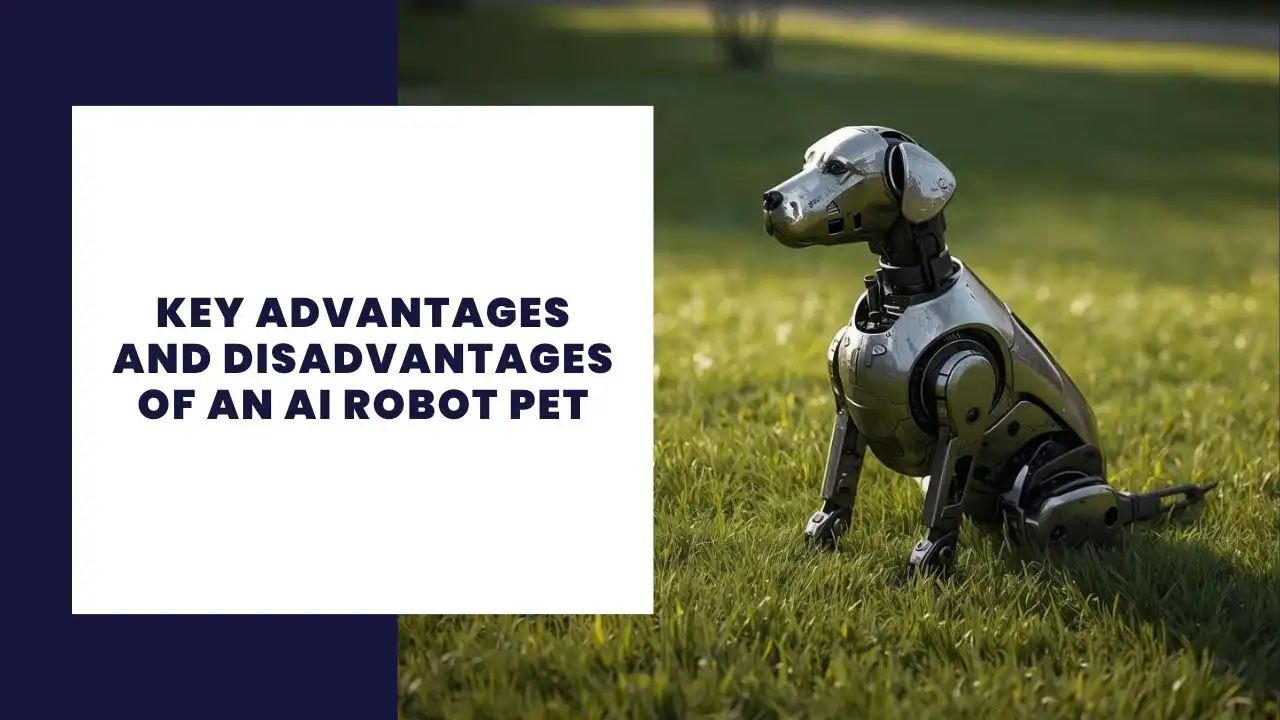
AI robot pets are becoming increasingly popular as technology reshapes how people experience companionship. Powered by artificial intelligence and robotics, these high-tech companions are designed to simulate aspects of living pets such as dogs and cats. While they offer unique advantages for people with busy lifestyles or limited ability to care for a real animal, they also raise important questions about emotional depth, human interaction, and reliance on AI.
Understanding the pros and cons of an AI robot pet helps potential pet owners make informed decisions about whether a robotic companion is the right fit for their lives.
What Is an AI Robot Pet
An AI robot pet is a robotic companion that uses artificial intelligence, sensors, and programmed behaviors to interact with humans. Unlike a real pet such as a real dog or real cat, a robotic pet does not require traditional pet care like feeding, litter boxes, or veterinary visits. Instead, it relies on AI technologies, sensors, and software to respond to commands, gestures, and environmental input.
Examples like Aibo, MarsCat, and other robotic dogs and robotic cats demonstrate how robotics and AI-driven systems can create lifelike behaviors, unique personalities, and emotional responses designed to engage users and offer companionship.
Advantages of an AI Robot Pet
1. Low Maintenance Compared to a Real Pet
One of the most appealing advantages of an AI robot pet is low maintenance. Unlike real animals, robotic pets do not require feeding, grooming, or constant supervision. This makes them ideal for people with busy schedules or limited mobility.
For many pet owners, this cost-effective and practical approach to companionship is a major benefit.
2. Suitable for People Unable to Keep Real Pets
AI pets are ideal for people who cannot keep real pets due to allergies, housing restrictions, or lifestyle constraints. In pet-friendly environments where real animals are not allowed, robotic companions offer an alternative.
They provide companionship without the challenges of keeping pets in restricted spaces.
3. Emotional Support Without Long-Term Responsibility
AI-powered robotic companions can offer emotional support and reduce stress. For older adults or individuals living alone, robotic pets can provide comfort and peace of mind without the long-term responsibilities of pet care.
This emotional companionship is especially valuable in assisted living or healthcare settings.
4. Designed to Engage and Interact
Modern AI robot pets are designed to engage users through playtime, movement, and responsive behaviors. Using sensors and AI, they can react to touch, sound, and commands.
This interactive design helps create an emotional connection and makes robotic pets feel more lifelike.
5. No Risk of Neglect or Animal Welfare Issues
Unlike real animals, robotic pets cannot suffer from neglect, hunger, or illness. This removes ethical concerns related to improper pet care and ensures consistent companionship without risk to animal welfare.
This is a unique advantage over real pets.
6. Technological Innovation and Customization
AI robot pets benefit from continuous technological advancements. Software updates can improve behaviors, add features, and refine interactions over time.
This ability to evolve sets robotic companions apart from traditional robotic toys.
7. Reduced Stress and Anxiety
Studies suggest that interacting with robotic companions can reduce stress and promote relaxation. AI-driven robotic pets are increasingly used in therapeutic settings to support emotional well-being.
Their calming presence can be beneficial without the unpredictability of real animals.
Disadvantages of an AI Robot Pet
8. Cannot Replace a Real Pet’s Emotional Depth
Despite advancements in AI, robotic pets cannot replicate the genuine affection, unconditional love, and emotional depth of a real pet. Emotional bonds formed with real animals are complex and deeply human.
For many, an AI pet cannot replace the emotional connection shared with furry friends.
9. Limited Emotional Intelligence
AI robot pets rely on programmed responses and learned behaviors. While they may simulate emotions, they lack true emotional understanding and consciousness.
This limitation affects the authenticity of companionship.
10. High Initial Cost
Many AI robot pets are expensive due to their high-tech components, sensors, and advanced robotics. While they may be cost-effective over time, the upfront investment can be significant.
This makes them less accessible for some users.
11. Dependence on Technology
Reliance on AI devices introduces risks related to technical failures, software bugs, or hardware malfunctions. A robotic pet may stop functioning properly without updates or maintenance.
This dependence on technology can disrupt companionship.
12. Data Privacy Concerns
AI robot pets often collect interaction data through sensors and microphones. This raises data privacy concerns, especially in households with children or older adults.
Pet owners must trust how data is collected, stored, and used.
13. Reduced Human Interaction
Excessive reliance on robotic companions may reduce human interaction. While robotic pets can offer companionship, they should not replace meaningful relationships with other people.
This is an important social consideration.
14. Lack of Physical Activity and Care Routines
Real pets encourage physical activity through walking, play, and daily routines. Robotic pets do not require such engagement, which may reduce physical movement and responsibility for users.
This can impact overall lifestyle habits.
Comparison Table of the Pros and Cons of an AI Robot Pet
| Aspect | Advantages | Disadvantages |
|---|---|---|
| Maintenance | Low maintenance | Limited realism |
| Emotional Support | Reduces stress | Lacks emotional depth |
| Cost | Cost-effective long-term | High upfront cost |
| Ethics | No animal welfare issues | Cannot replace real pets |
| Technology | Upgradable and customizable | Data privacy risks |
| Lifestyle | Fits busy lifestyles | Less physical activity |
| Social Impact | Companionship | Reduced human interaction |
The Future of AI Robot Pets
The future of AI robot pets is closely tied to the rise of AI and ongoing technological advancements in robotics. As sensors and AI-driven models improve, robotic companions will become more responsive, adaptive, and personalized.
Future AI pets may develop more nuanced behaviors, improved emotional simulation, and stronger integration with smart home systems. However, they will continue to complement rather than replace real pets, especially for those seeking deep emotional bonds.
FAQs About AI Robot Pets
Can an AI robot pet replace a real pet?
An AI robot pet cannot replace the emotional depth and genuine affection of a real pet, but it can offer companionship in situations where real pets are not possible.
Are AI robot pets good for older adults?
Yes, they are often ideal for older adults due to low maintenance, emotional support, and ease of interaction.
Do robotic pets learn over time?
Many AI-powered robotic pets use machine learning to adapt to user interactions and develop unique personalities.
Are AI robot pets safe for children?
Generally, yes, but parents should consider data privacy, durability, and appropriate usage.
Do AI robot pets require internet access?
Some features may require connectivity for updates, while basic interactions often work offline.
Conclusion of Advantages and Disadvantages of an AI Robot Pet
AI robot pets offer a compelling mix of companionship, convenience, and technological innovation. Their advantages include low maintenance, emotional support, and suitability for people who cannot keep real animals. At the same time, they come with clear disadvantages such as limited emotional depth, data privacy concerns, and an inability to replace real pets.
By weighing the advantages and disadvantages of an AI robot pet, individuals can decide whether a robotic companion aligns with their emotional needs, lifestyle, and expectations in an increasingly AI-driven world.